There was a time when the ownership question answered itself: buy diesel tractors, run them seven years, sell them predictably. Higher financing costs, wobbling residual values and the electric transition have made the funding decision strategic again.
The three honest options
- Outright purchase: cheapest over life if utilisation is high and residuals behave — and full exposure if they do not. Capital tied up is capital not in the business.
- Finance/HP: ownership economics with spread cash flow; the residual risk is still yours at the end.
- Operating lease / contract hire: a known monthly cost, residual risk transferred, often bundled maintenance — priced accordingly. You are paying someone else to absorb uncertainty.
What tilts the decision now
- Residual uncertainty: nobody can price a 2033 diesel tractor with confidence — regulation and city access rules will decide it. Uncertainty argues for shifting residual risk to lessors on longer-cycle assets.
- Electric trucks: high capital cost plus unknown battery-age values make leases and manufacturer full-service offers disproportionately attractive for first electric deployments — treat them as an option premium on an uncertain asset, as our TCO guide frames it.
- Utilisation: the higher and steadier your kilometres, the more ownership economics reward you; volatile workloads favour flexibility.
- Balance sheet and covenants: accounting treatment matters to lenders even when the trucks are identical.
The framework
Fund stable, high-utilisation diesel work with ownership where you understand the exit; use leases to cap risk on volatile lanes, new technology and uncertain residuals; and never let the funding method hide the operating numbers — cost per kilometre remains the referee whichever way the invoice arrives.
Not financial advice — model your own numbers with your finance partners.
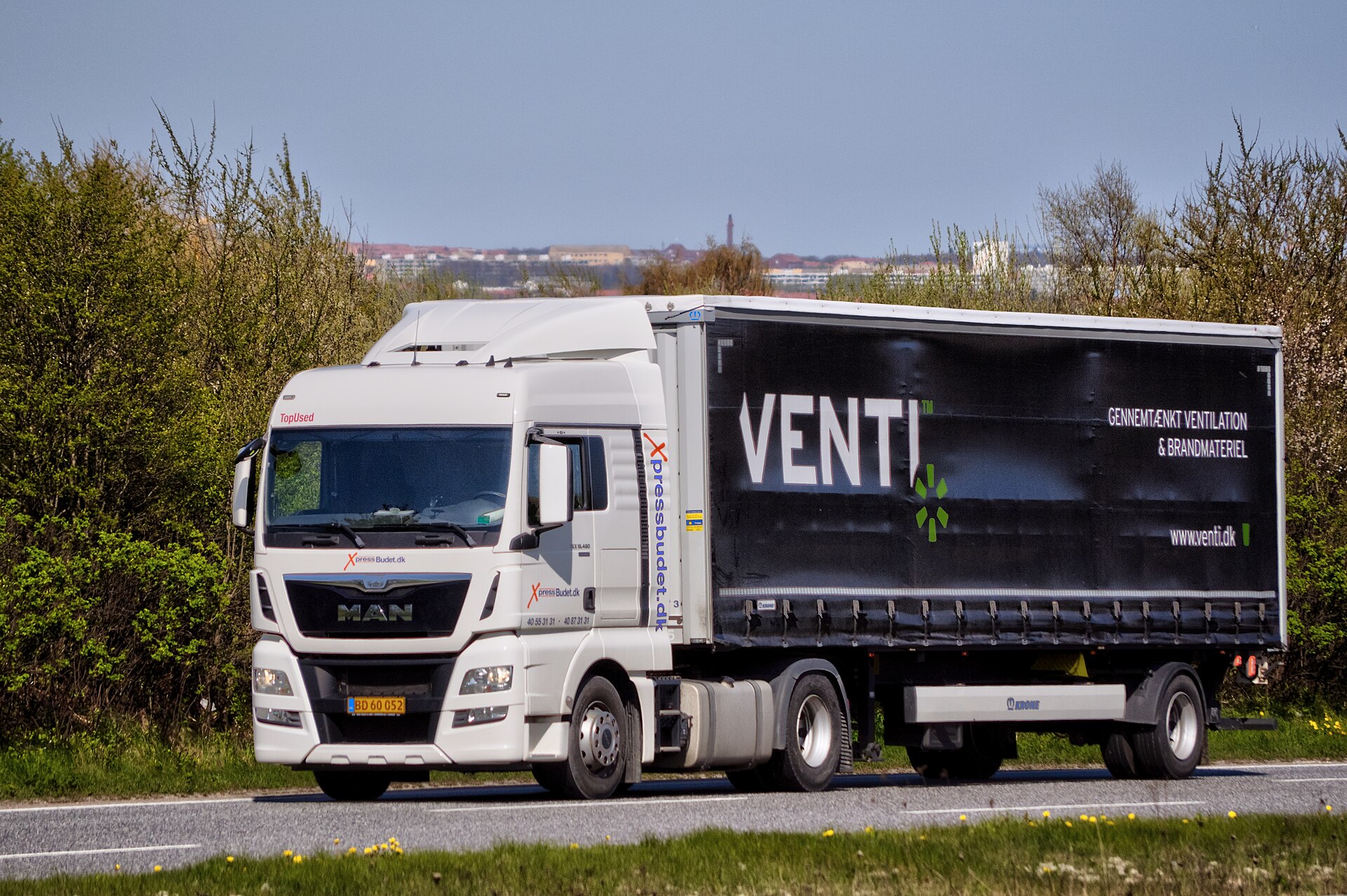
Cover photo: Lav Ulv via Wikimedia Commons, CC BY 2.0
DSC_5357_Balancer_(23922020018).jpg)