
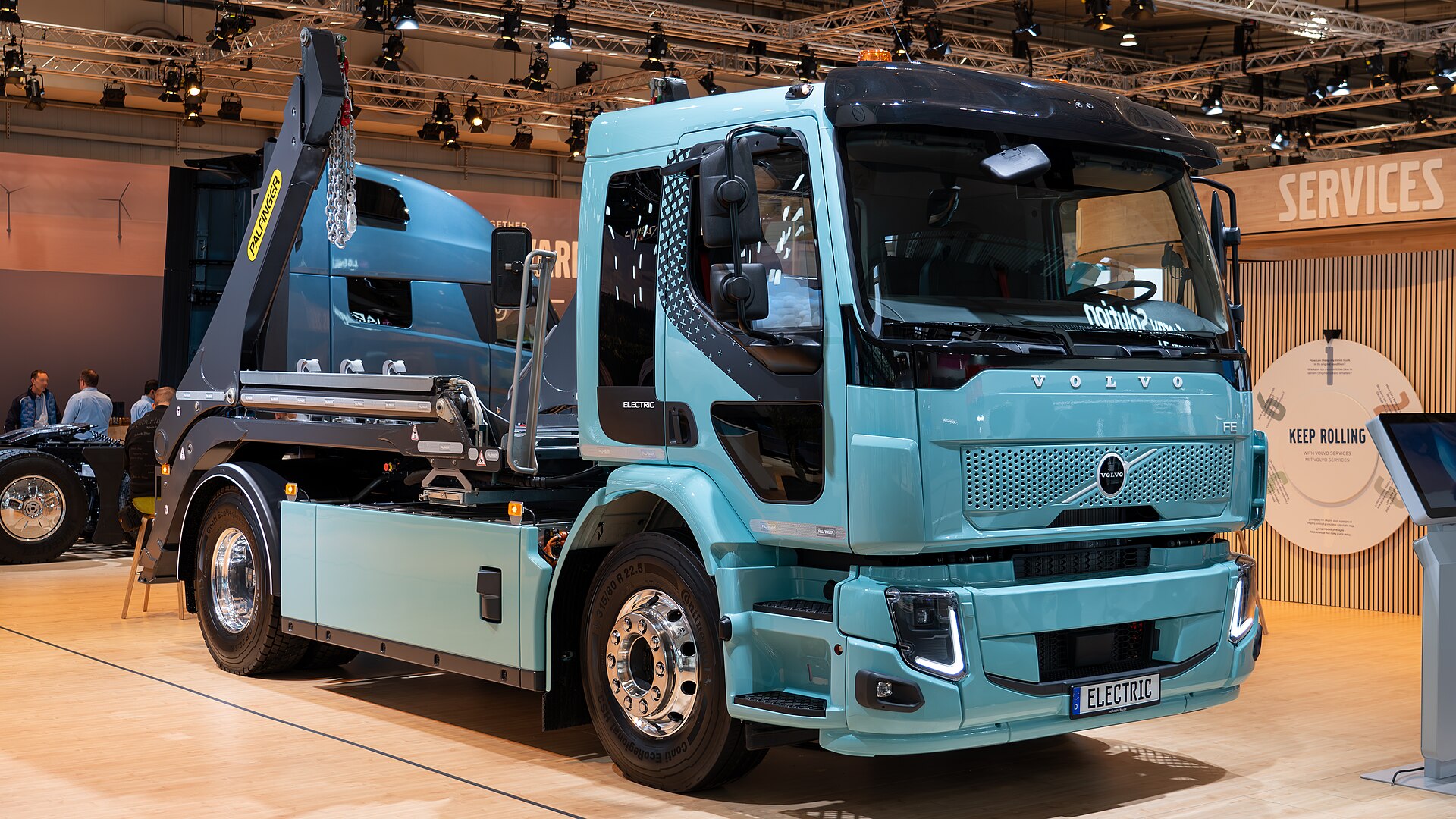
For the first time, a European fleet shopping for an electric long-haul tractor has a genuine choice: Mercedes-Benz, Volvo, MAN and Scania all ship serious machines. The spec sheets are converging — which makes the remaining differences more interesting.
The contenders at a glance
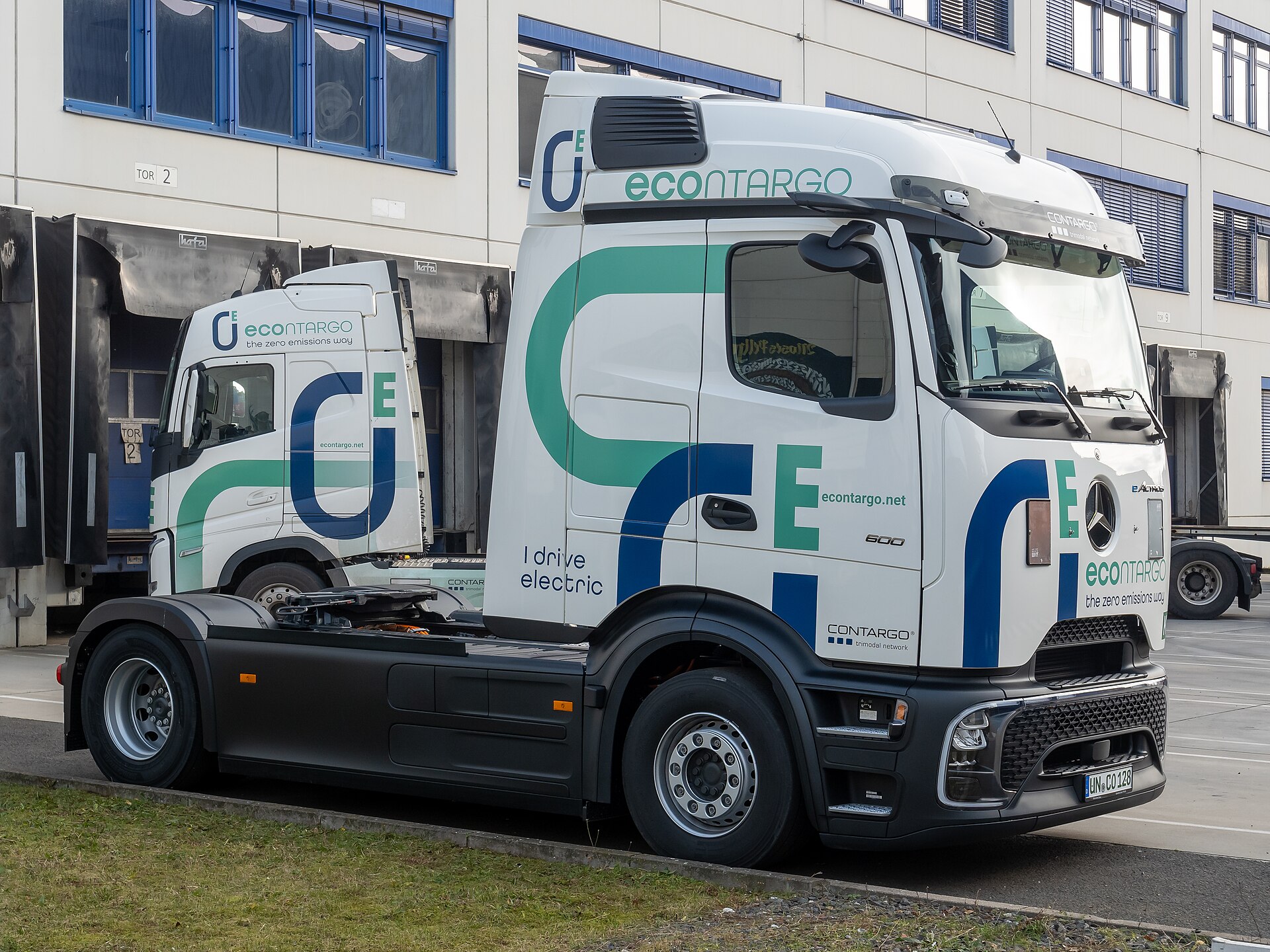
- Mercedes-Benz eActros 600: ~621 kWh of LFP batteries, roughly 500 km per charge, MCS-ready, e-axle with 400/600 kW. The chemistry bet: LFP for cycle life and second-life value. Details in our deep dive.
- Volvo FH Aero Electric: up to ~780 kWh and a 700 km claim — the range leader — enabled by an e-axle that freed chassis space; orders from summer 2026. Our launch analysis covers the architecture.
- MAN eTGX: modular LFP from 240–560 kWh, ~500 km typical, up to 544 hp, and a full year of series production in Munich behind it — ~1,300 units built. Profile here.
- Scania (R 450e and MCS range): the last to open order books but arriving with factory MCS ports and Traton platform scale shared with MAN. Our order-opening report.
Where the real differences live
- Battery philosophy: maximum installed energy (Volvo) versus right-sized modularity (MAN) versus chemistry-for-longevity (Mercedes). Match it to your routes, not to the brochure.
- Charging ecosystem: all four speak MCS — the question is which dealer and charging partnerships exist on your corridors. See our MCS explainer.
- Service network and uptime guarantees: electric drivelines shift the workshop burden toward high-voltage competence; coverage varies sharply by country.
- Financing and residual protection: with battery-age values still unproven, the strength of buy-back and full-service offers may matter more than 50 km of range.
The honest verdict
There is no wrong truck on this list — there are wrong matches. Buy the battery your duty cycle needs, the service network your geography demands, and the financing that caps your residual risk. The spec-sheet race is over; the operations race has started.
Cover photo: MarcelX42 via Wikimedia Commons, CC BY-SA 4.0
.jpg)