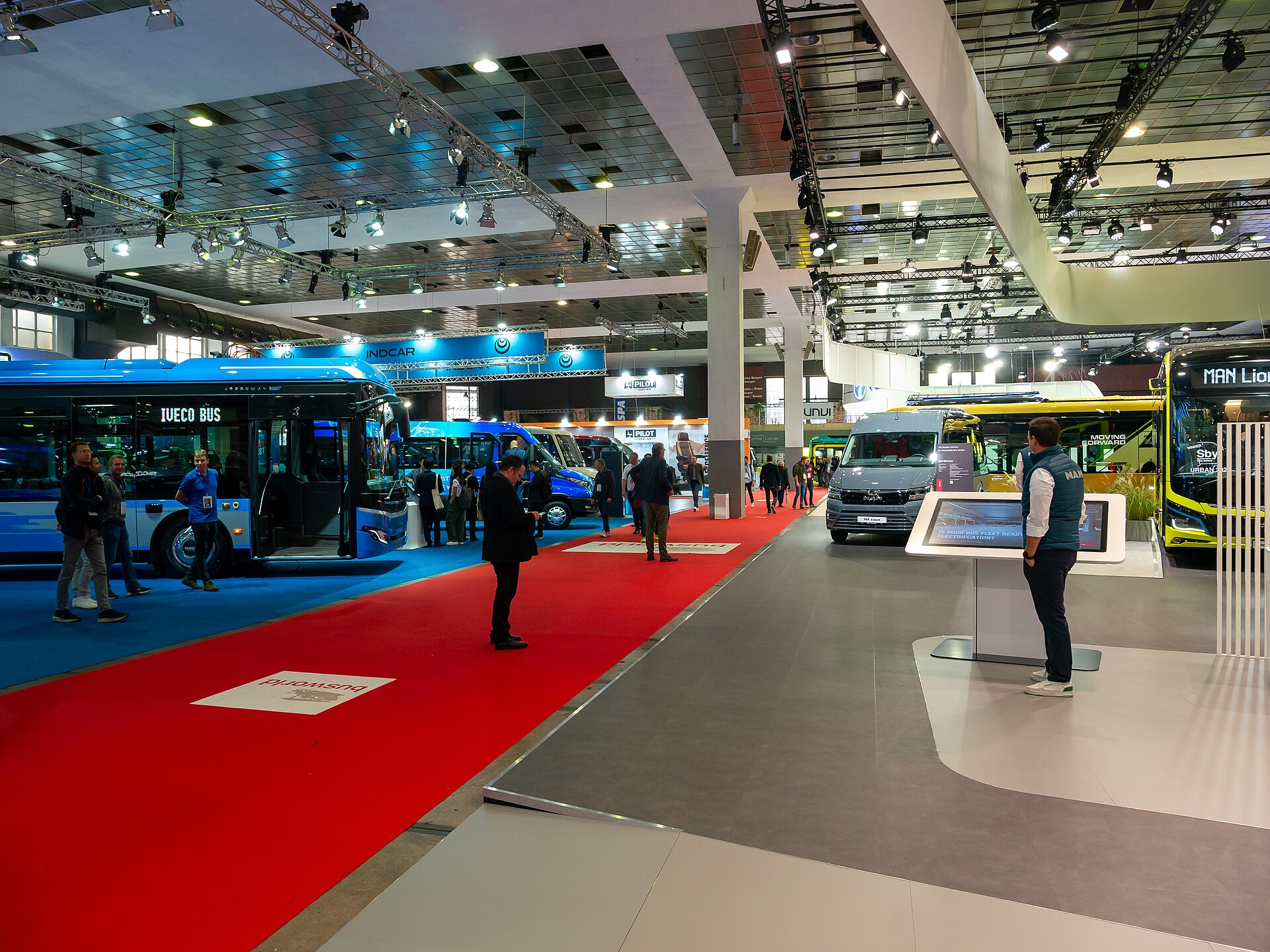
Five years ago, Chinese commercial vehicle brands in Europe were a curiosity. Today Yutong tops the continent’s electric bus registrations, BYD builds in Hungary, and the question has flipped from whether Chinese manufacturers matter here to how far they will reach.
What the bus market proved
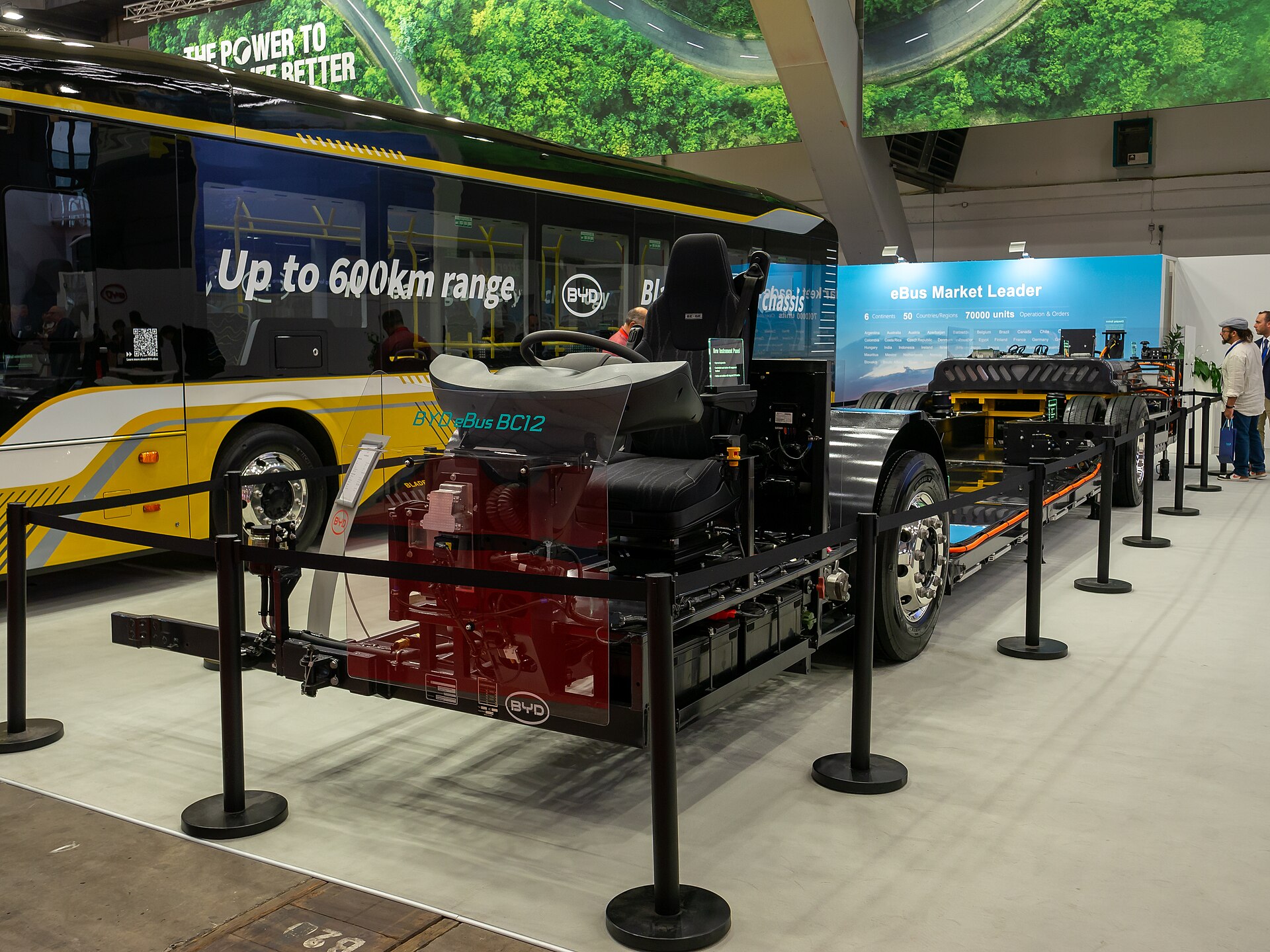
Buses were the beachhead because public tenders reward exactly what Chinese manufacturers brought: aggressive pricing, available batteries and fast delivery. The result — two Chinese brands leading EU electric registrations, with BYD localising production — happened faster than almost any forecast.
Why trucks are harder
- Freight buyers are private, fragmented and conservative; there is no tender mechanic forcing consideration.
- Dealer, service and parts networks decide uptime — and take a decade to build. This is the moat European brands actually rely on.
- Residual values depend on brand trust the newcomers have not yet earned.
- Financing, insurance and body-builder ecosystems are woven around incumbent platforms.
Why the moat is narrower than it looks
The 29.5% electric penetration in China’s heavy truck market gives its manufacturers cost curves and iteration speed no exporter has enjoyed before. Batteries are the new engine — and the new cost centre — and China dominates their supply chain. Expect the entry pattern already visible: acquisitions and partnerships, localised assembly, and first wins in price-sensitive segments — construction, drayage, fixed-route regional work — before any assault on premium long-haul.
The strategic takeaway
For European manufacturers, the defence is service, software and total-cost credibility — not tariffs alone. For operators, more credible competition means better prices and bolder warranties from everyone. The 2026–2028 window, with Euro 7 raising incumbent costs, is when the board resets.
Cover photo: MB-one via Wikimedia Commons, CC BY-SA 4.0
.jpg)