
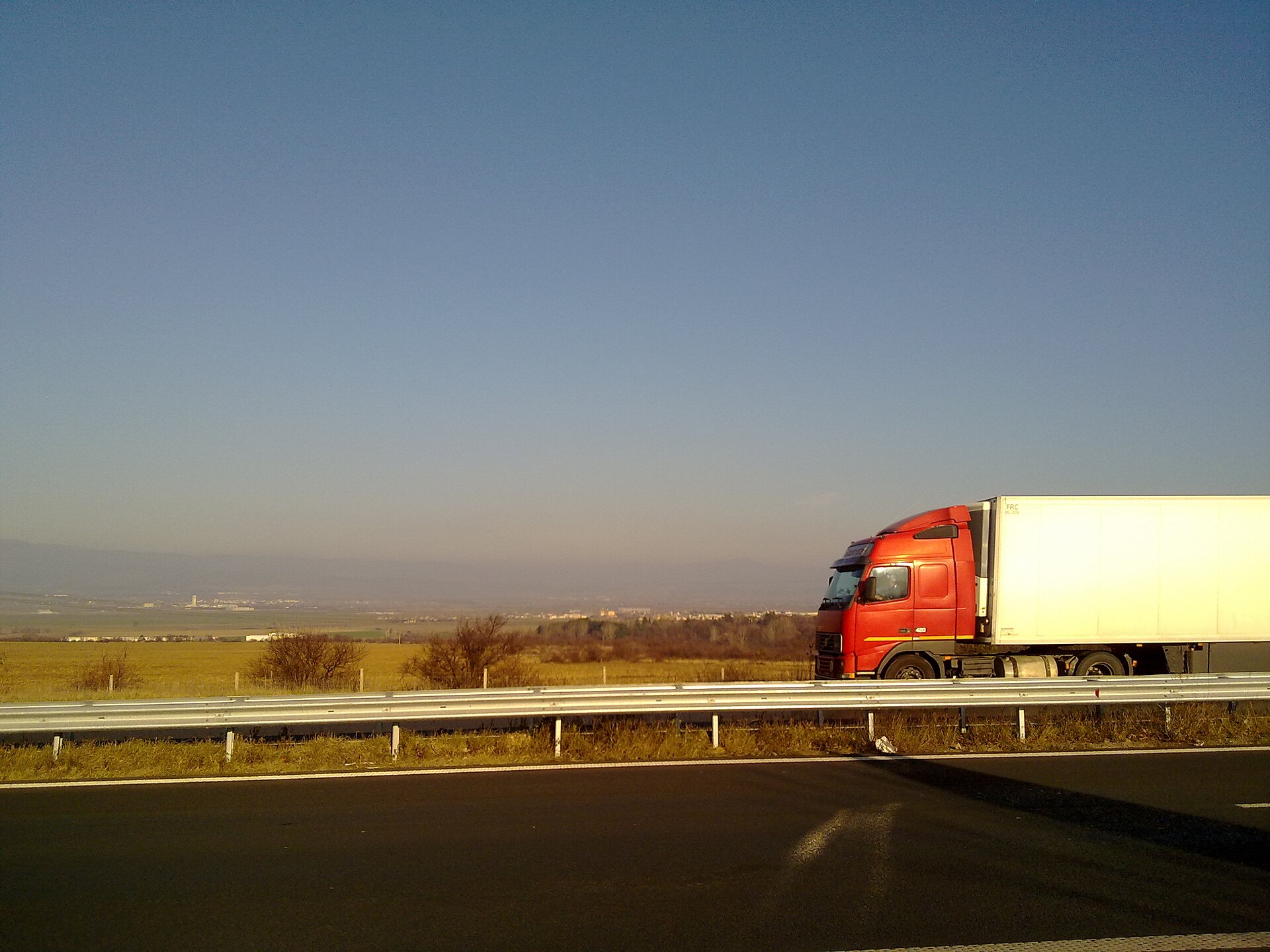
Fuel economy in heavy trucking is not one big decision — it is a hundred small ones, repeated every day. Here are twelve techniques that consistently deliver, roughly in order of how quickly you can act on them.
- Watch your speed. Aerodynamic drag rises with the square of speed. As a rule of thumb, every extra km/h above cruising speed costs measurable fuel — the cheapest saving there is.
- Keep tyres at spec pressure. Under-inflation increases rolling resistance and wears shoulders. Check pressures cold, weekly, all axles including the trailer.
- Reduce idling. An idling heavy diesel burns litres per hour while going nowhere. Cab heaters and auxiliary power units pay for themselves in cold climates.
- Use predictive cruise control. GPS-based systems that read topography and coast over crests deliver consistent savings on hilly routes with zero driver effort.
- Close the gaps. Roof deflectors matched to trailer height, side skirts and a tight tractor-trailer gap all reduce drag. Aero devices only pay when they match the actual trailer.
- Anticipate, do not react. Every unnecessary brake application throws away energy you paid to build. Reading traffic two or three vehicles ahead keeps momentum.
- Choose low rolling resistance tyres where the duty cycle allows, and keep axles aligned — a crabbing trailer drags fuel out of the tank.
- Spec the driveline for the job. Rear-axle ratio and transmission strategy should match the route profile, not tradition.
- Plan routes deliberately. Congestion, gradients and detours cost more than distance alone. The shortest route is not always the cheapest.
- Carry only what earns. Every unnecessary kilogram of equipment is paid for on every hill for the life of the vehicle.
- Stay on top of maintenance. Clogged air filters, dragging brakes and tired injectors quietly tax every kilometre. Injector trouble announces itself early — the failure symptoms Vaden lists are worth every driver knowing.
- Close the loop with telematics. Measure per-driver, per-route consumption, coach with data, and recognise improvement. Behaviour change without feedback does not stick.
Where to start
If you do nothing else: speed discipline, tyre pressure and idle reduction. They require no capital investment and typically deliver the fastest measurable results. Then build the feedback loop — because what gets measured gets managed.
Cover photo: Hakuna.Matata via Wikimedia Commons, CC BY-SA 4.0
