
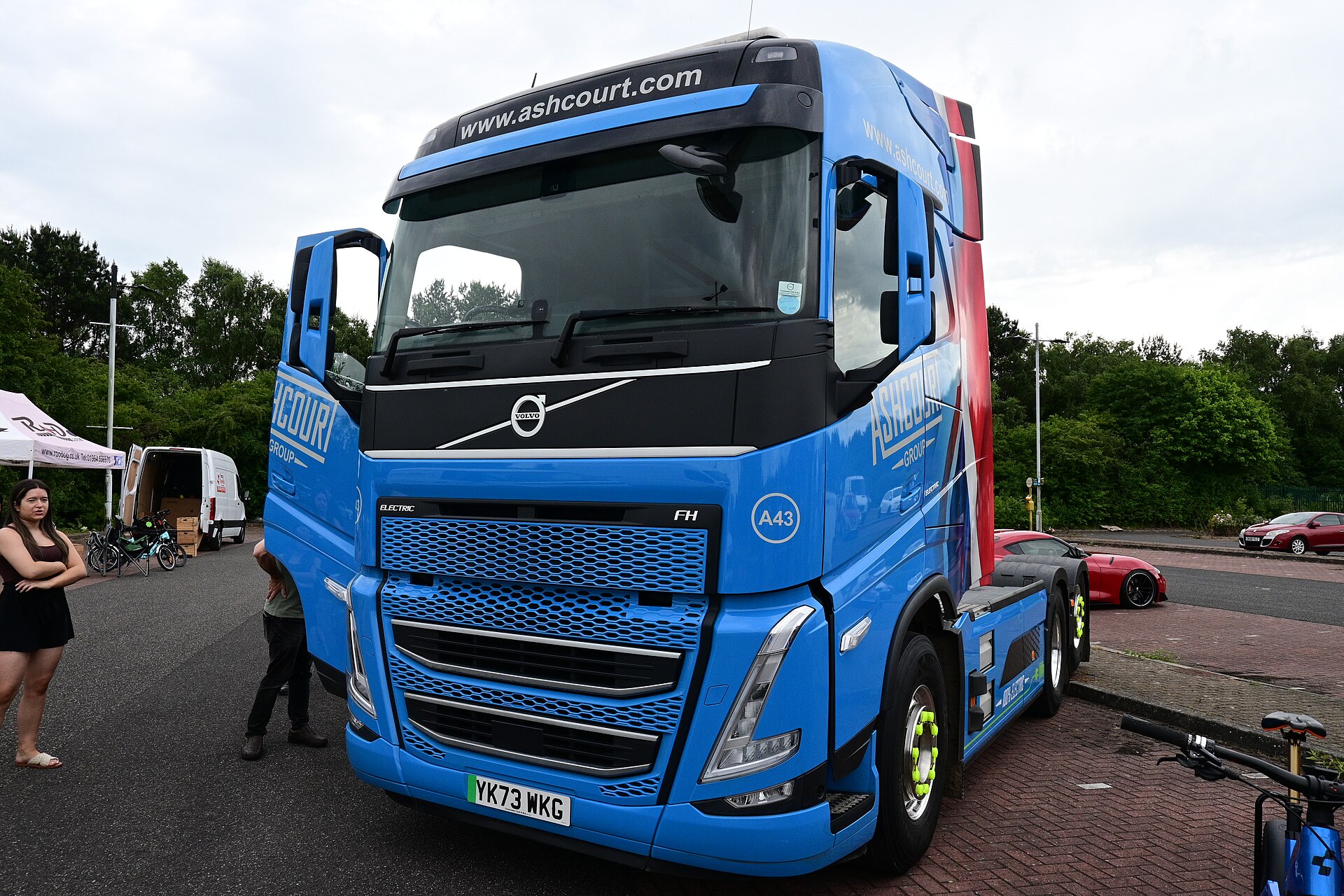
Strip away the press releases and the scepticism alike, and the heavy truck market in 2026 looks like this: electrification is real, it is winning specific segments outright — and diesel still moves most of the world’s freight. Both things are true. Here is the honest map.
Where electric has already won
Urban and regional distribution, port drayage, terminal tractors, refuse collection: duty cycles with predictable daily distances and a depot to sleep in at night. In these segments the technology question is settled and the discussion is purely commercial — energy prices, charger installation lead times, and grid connections. City buses tell the same story even more loudly: roughly a quarter of new EU bus registrations are already zero-emission.
Long-haul: the trucks arrived before the chargers
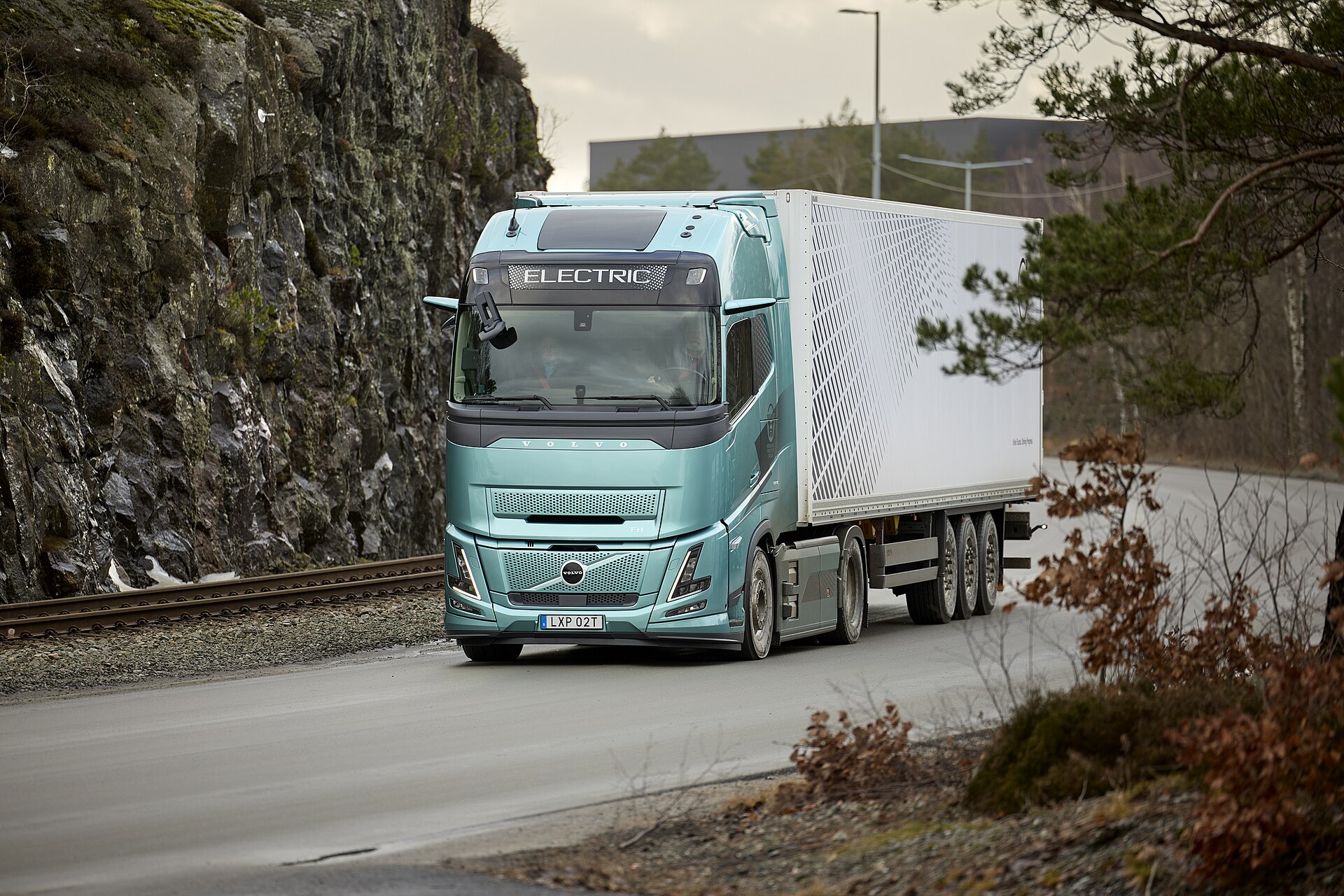
The vehicles are no longer the constraint. The Mercedes-Benz eActros 600 delivers around 500 km per charge; Volvo’s incoming FH Aero Electric claims up to 700 km. Both are built for megawatt charging that fits a full recharge into a driver’s mandatory break. What is missing is the public megawatt network itself — corridor coverage is growing but thin, which confines electric long-haul mostly to planned, repeatable routes for now.
The economics are converging
Electric tractors still cost significantly more to buy, and residual values remain a guess. Against that: lower energy cost per kilometre in most markets, fewer wear parts, and battery chemistries — notably LFP — engineered to outlast the truck’s first life. Fleet TCO models increasingly show a crossover for high-utilisation, depot-based operations. The crossover point moves every year in one direction.
The China signal
Anyone doubting the trajectory should look east: electric penetration in China’s heavy truck market has passed 29.5%, with 337,000 new-energy heavy trucks sold in under eighteen months. Scale drives cost, and that cost curve does not stay in China.
And diesel?
Diesel remains the backbone of world freight and will for years — refuelling density, flexibility and familiar economics are not small advantages. The latest generation of diesel drivelines keeps improving efficiency, and for irregular international tramp work there is currently no realistic substitute. The realistic forecast is not a switch being flipped but a market electrifying segment by segment, starting from the depot outward.
The verdict
If your trucks sleep at home and drive predictable kilometres, the electric business case deserves a serious look today, not in five years. If your work is long, irregular and international, diesel remains the rational choice while the charging map fills in. Either way, the worst strategy is not having one.
Sources: electrive, CleanTechnica, Sustainable Bus
Cover photo: Hullian111 via Wikimedia Commons, CC BY-SA 4.0
