
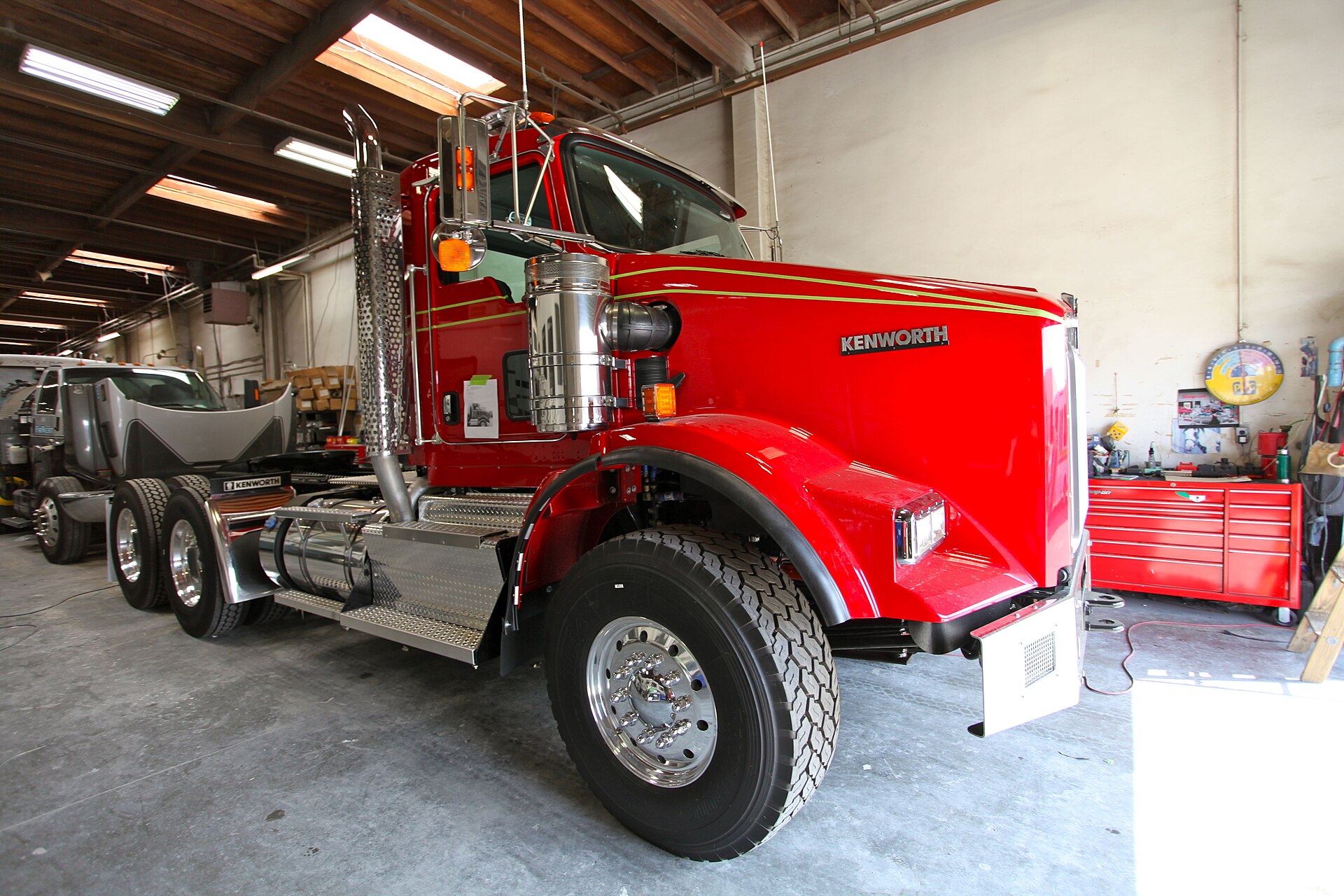
The engine-driven air compressor is the heart of the brake system. When it wears, it does not simply stop — it starts pumping oil downstream, contaminating the air dryer, valves and lines. Catching that early saves the whole system.
Symptoms of a tired compressor
- Oil at the air dryer purge or in drained tank water — the number-one warning sign.
- Slow air build-up and frequent cycling — cross-check with our air pressure diagnosis.
- Excessive oil consumption with no external engine leak.
- Knocking from the compressor under load, or overheating of the discharge line.
What actually wears
- Piston rings and cylinder bore — the source of oil carryover.
- Valve plate and reed/disc valves losing seal, hurting output.
- Worn bearings and connecting rod.
- A carbon-choked discharge line that raises head temperature and accelerates all of the above.
Overhaul or replace?
Many heavy compressors are designed to be rebuilt with cylinder-head, valve-plate and piston-ring kits rather than replaced whole — component supplier Vaden details the parts in its compressor overhaul-kit guide, and stocks complete units in its air brake compressor range. The economics turn on labour, downtime and how much oil has already reached the system.
Don’t forget the collateral damage
A worn compressor rarely fails alone. Once oil is in the circuit, replace the air dryer cartridge and check valves for oil fouling, or the fresh compressor inherits a contaminated system — see our air brake system guide.
General information for professional operators. Always follow the vehicle manufacturer’s service documentation and local regulations.
Cover photo: BEAR RV via Wikimedia Commons, CC BY 3.0
