
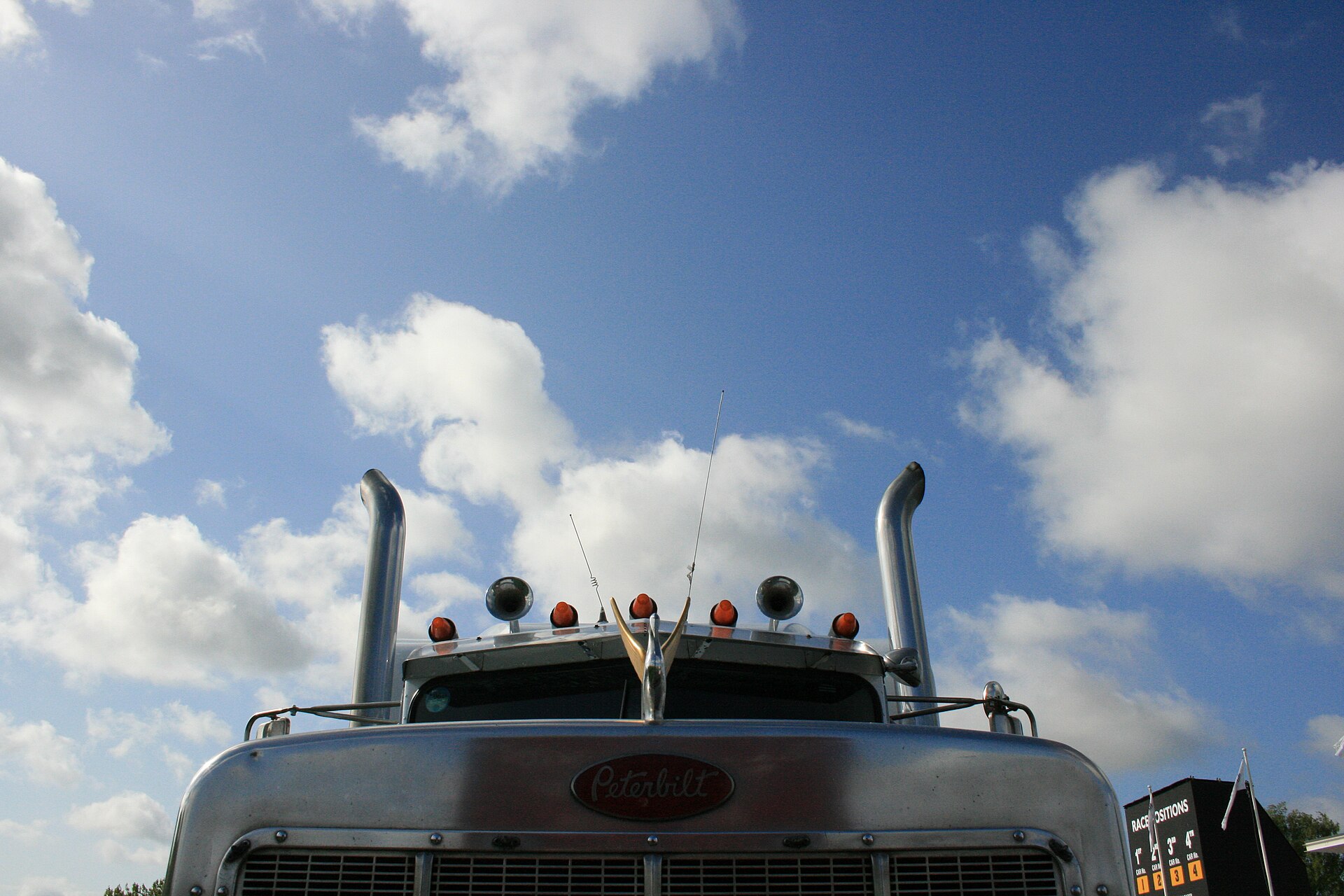
Long before hydraulic retarders, the exhaust brake gave heavy trucks fade-free help on descents by throttling the exhaust to turn the engine into an air pump. It is simple, effective and, because it works out of sight, easy to neglect — until a driver notices the truck no longer holds speed downhill.
How it works
A butterfly or flap valve in the exhaust closes on command, creating back-pressure that resists the pistons and slows the driveline. Combined with a dedicated engine (decompression) brake on many modern units, it dramatically reduces wear on the friction brakes — the foundation of safe descents covered in our long-descent guide.
Why it stops working
- Carbon and soot seizing the flap partly open — the most common fault; the brake feels weak or dead.
- Actuator problems: a failed pneumatic cylinder or control solenoid, or a leaking air line.
- Worn shaft and bushes letting the flap leak past.
- Control faults: switches, ECU signals or wiring on integrated systems.
Service and repair
The flap valve and its actuator are serviceable, replaceable parts — component supplier Vaden covers them in its exhaust/engine brake guide and stocks units in its exhaust brake range. A working exhaust brake is not a luxury: every bit of retardation it provides is wear and heat kept out of the service brakes.
General information for professional operators. Always follow the vehicle manufacturer’s service documentation and local regulations.
Cover photo: Supermac1961 via Wikimedia Commons, CC BY 2.0
