
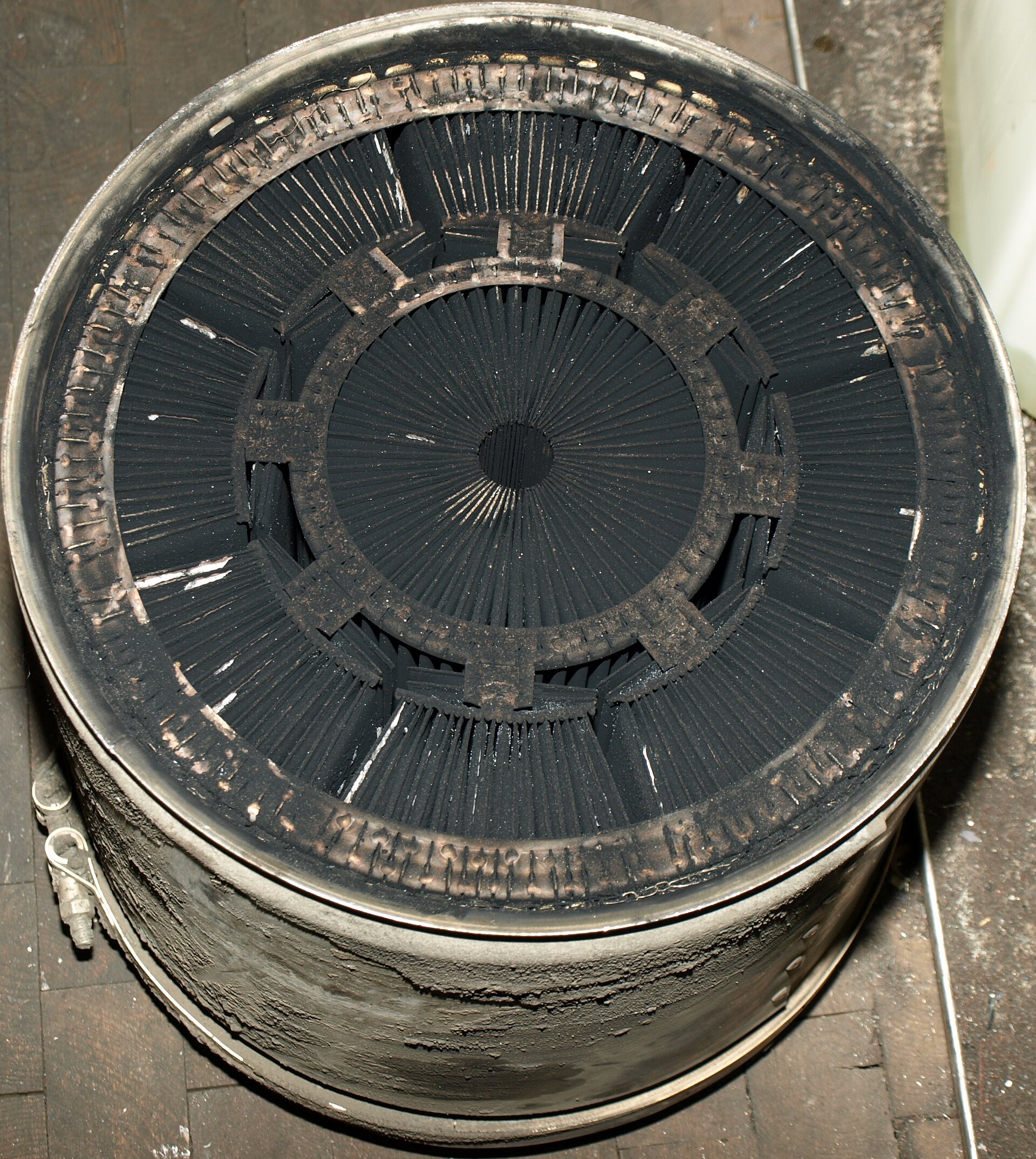
The diesel particulate filter traps soot from the exhaust and burns it off during regeneration. When that cycle works, the DPF is invisible. When it does not, you get warning lamps, lost power and — if ignored long enough — a filter so loaded it can only be cleaned on a bench or replaced.
Know your regenerations
- Passive: at sustained motorway load, exhaust temperature alone burns soot continuously. Long-haul trucks may rarely need anything else.
- Active: the ECU raises exhaust temperature (typically by late fuel injection) to burn accumulated soot. Needs the vehicle to keep driving — interrupted regens are the classic urban failure.
- Forced: a stationary, workshop-initiated regeneration at high idle. A recovery tool, not a maintenance strategy.
Why filters really block
- Duty cycle mismatch: short urban runs never reach regeneration temperature — soot in, nothing out.
- Interrupted active regens: engine switched off mid-cycle, repeatedly.
- Upstream faults: tired injectors, boost leaks or a failing turbo dump extra soot into the filter. If regens are getting frequent, look upstream first — the DPF is often the victim, not the culprit. Our guide to turbocharger warning signs covers the usual suspect.
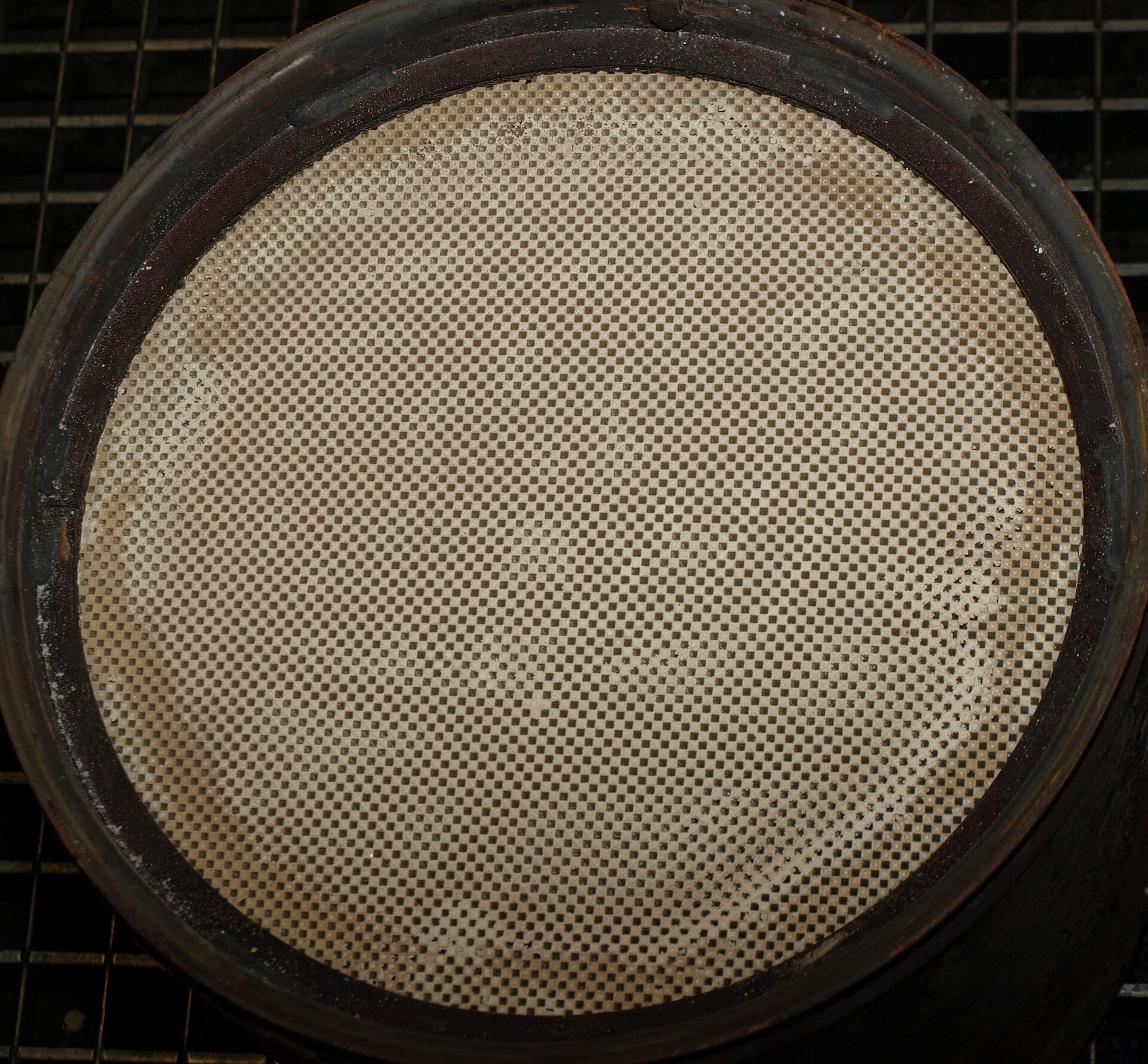
- Wrong oil: non-low-SAPS oil produces ash the regeneration cannot burn. Ash accumulates until only professional cleaning removes it.
- Sensor faults: failed differential pressure or temperature sensors blind the strategy that decides when to regenerate.
Read the warning stages
Manufacturers stage their warnings: first a DPF lamp (drive to complete a regen), then flashing or additional lamps with reduced power, and finally severe derate to protect the engine. The escalation exists because a heavily loaded filter can no longer regenerate safely — the earlier you act, the cheaper the fix.
What actually helps
- Give active regens a chance: when the lamp comes on, a sustained run at operating temperature usually clears it.
- Fix upstream faults promptly; a smoking engine kills filters.
- Use the specified low-SAPS oil, always.
- At high mileage, budget for professional ash cleaning as scheduled maintenance rather than an emergency.
- Do not remove or gut the filter. DPF deletion is illegal in most markets, fails roadworthiness inspection, and voids emissions compliance — a business risk no fuel saving justifies.
General information for professional operators. Always follow the engine manufacturer’s procedures and local regulations.
Cover photo: Michael KR via Wikimedia Commons, CC BY-SA 4.0
