

Fleets buying their first electric trucks consistently report the same surprise: the vehicle order was the simple bit. The project that decides success is the one in the yard — chargers, cables, and above all the grid connection. Here is the planning sequence that keeps it sane.
1. Start from duty cycles, not brochures
For each route: kilometres per shift, payload, topography, and where the vehicle sleeps. That gives you kWh per day per truck — the number every other decision hangs on. A truck consuming 110 kWh/100 km and running 250 km needs roughly 275 kWh back every night; ten of them need 2.75 MWh. Write these numbers down before talking to anyone selling hardware.
2. Ask the grid question on day one
The longest lead time in the entire project is usually the grid connection upgrade — application-to-energisation can run from months to a couple of years depending on your network operator and local capacity. Apply early, and design around what the site can actually get in phase one. Many successful projects start with a modest connection plus smart scheduling, upgrading later.
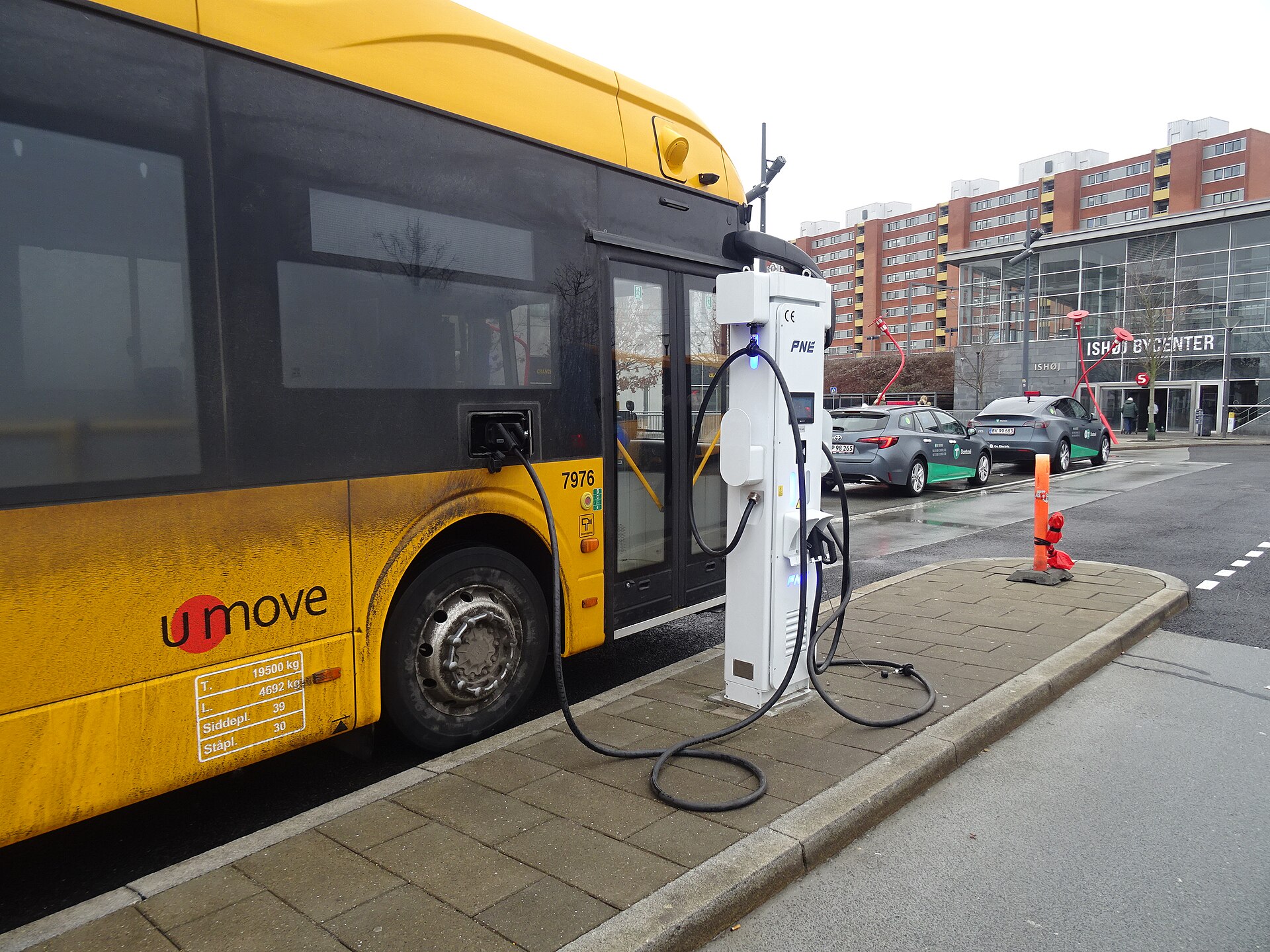
3. Size chargers for the night, not the spec sheet
- Overnight depot charging rarely needs headline power: a truck parked 8–10 hours restores 300+ kWh comfortably at 40–60 kW.
- A few higher-power DC units (150 kW+) cover mid-shift top-ups and unplanned turnarounds.
- Load management software is not optional: it spreads charging across the night, caps site peak demand, and protects you from punitive demand charges.
4. Build the site for the fleet you will have
- Lay conduit and reserve panel capacity for twice the chargers you install now — trenching once is cheap, twice is not.
- Plan bay geometry for combinations, not cars: pull-through where possible, charger placement matched to port side.
- Think resilience: what happens to tomorrow’s routes if a charger faults tonight? Spare capacity is uptime insurance.
5. Run the money honestly
Depot electricity is the cheapest fuel most fleets will ever buy — if charging happens off-peak under load management. Model energy tariffs, demand charges and charger maintenance into the same TCO framework you use for the vehicles, and revisit after six months of real data. The fleets that win at this treat the depot as infrastructure with a business case, not an accessory to a truck order.
General guidance — connection processes, tariffs and incentives vary by market. Engage your network operator and a qualified electrical engineer early.
Cover photo: Hullian111 via Wikimedia Commons, CC BY-SA 4.0
