
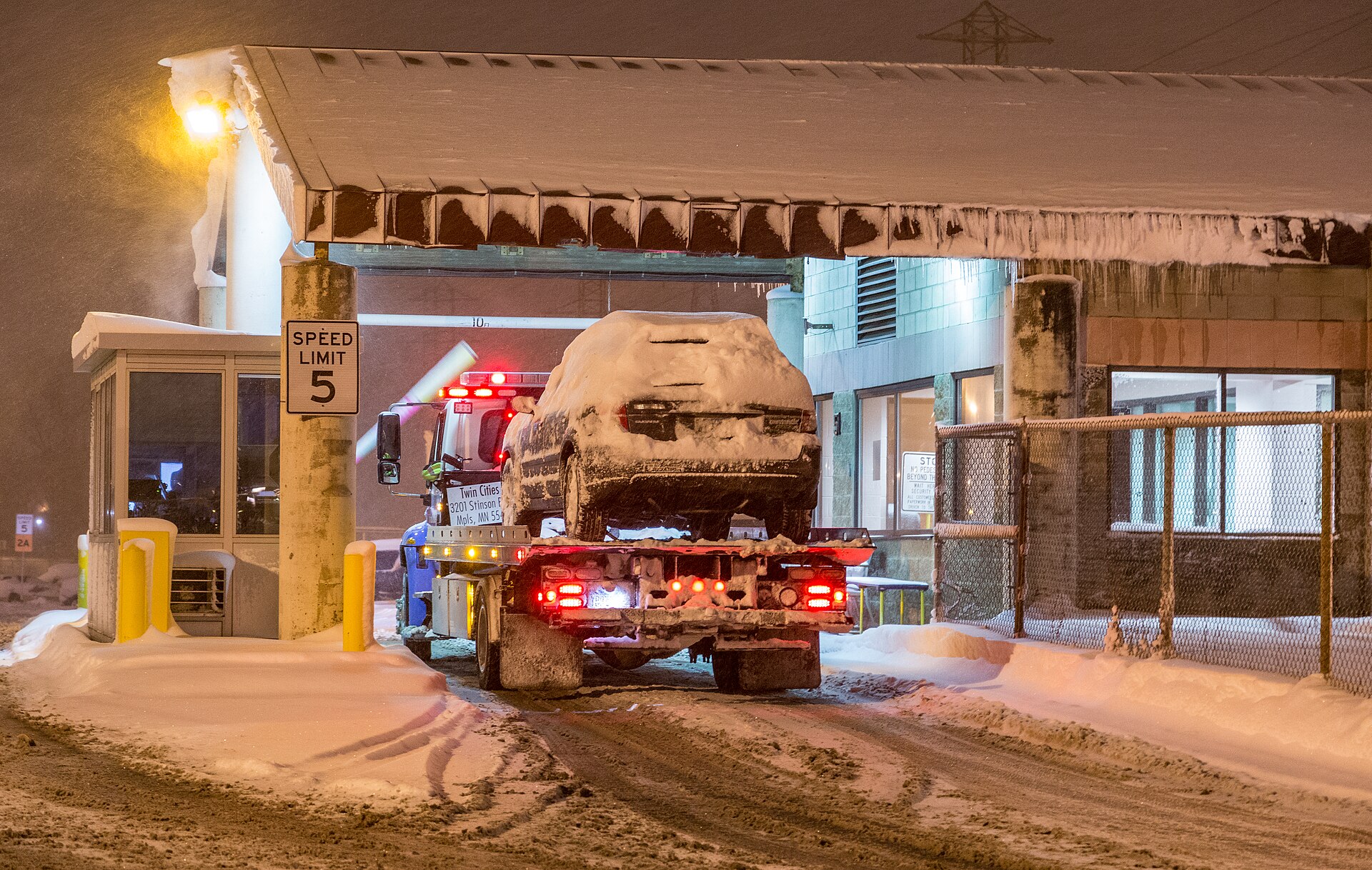
Cold weather is the great auditor: every marginal battery, saturated air dryer and lazy block heater gets found in the same week. The fleets that sail through winter start the work in autumn.
Fuel and engine
- Switch to winter-grade diesel before the first freeze, not after; paraffin wax in summer fuel gels filters at low temperatures.
- Drain water separators religiously — water in the fuel system is ice in the fuel system.
- Test coolant strength and condition; verify block heaters, fuel heaters and intake preheaters now.
- Idle-start habits: modern engines prefer gentle driving over long warm-up idles.
Air system: winter’s favourite victim
Moisture that summer tolerated becomes frozen valves in January — parking brakes that will not release, shift systems that stick. Drain tanks, service dryer cartridges, and check heater elements on dryers and drain valves. Component suppliers such as Vaden stock the dryer valves and cartridges this maintenance depends on. Our air pressure diagnosis guide doubles as a winter health check.
Electrics, tyres, gear
- Load-test both batteries and clean terminals — see our 24V system guide; winter kills the weaker twin first.
- Tread and pressure discipline; verify chains fit this vehicle and drivers can actually mount them cold and wet.
- Washer fluid rated for real temperatures; wiper blades; lights clean and aimed.
- Cab kit per truck: scraper, shovel, gloves, torch, blanket. Cheap insurance against a bad night.
Process beats heroics
Put winterisation in the maintenance system as a scheduled campaign with a deadline and a checklist per vehicle — not as a memo hoping for volunteers. The measure of success is boring: a January that looks like October in the breakdown log.
Cover photo: Tony Webster via Wikimedia Commons, CC BY-SA 2.0
.jpg)