
The driverless truck moved decisively from demo to duty in 2026. Aurora Innovation reports it has now accumulated over 250,000 driverless miles with zero system-attributed collisions, and expanded its driverless network to multiple Sun Belt routes — including a validated 1,000-mile Fort Worth–Phoenix lane longer than a single human driver may legally run in one stint.
Where the leaders stand
- Aurora: driverless network expanded to around ten routes, a second driverless fleet deploying, and plans for hundreds of driverless trucks on next-generation hardware.
- Kodiak Robotics: operating the largest driverless Class 8 fleet in the Permian Basin and targeting long-haul highway deployment by the end of 2026, with its readiness measure reported in the mid-80s percent.
- Both remain firmly Level 4 — driverless only within defined routes and conditions, not everywhere.
What it means
This is real, paid, driverless freight — but bounded to fixed highway corridors in favourable weather, exactly the shape we describe in our guide to autonomous trucking. Yard work, city streets and the first and last mile still need people.
The bigger picture
Driverless highway corridors will expand route by route through the late 2020s rather than switching on overnight. For a sector facing a structural driver shortage, automation is less an overnight replacement than a slow-arriving relief valve for the longest, least-liked hauls.
Sources: Aurora Innovation, Heavy Duty Trucking
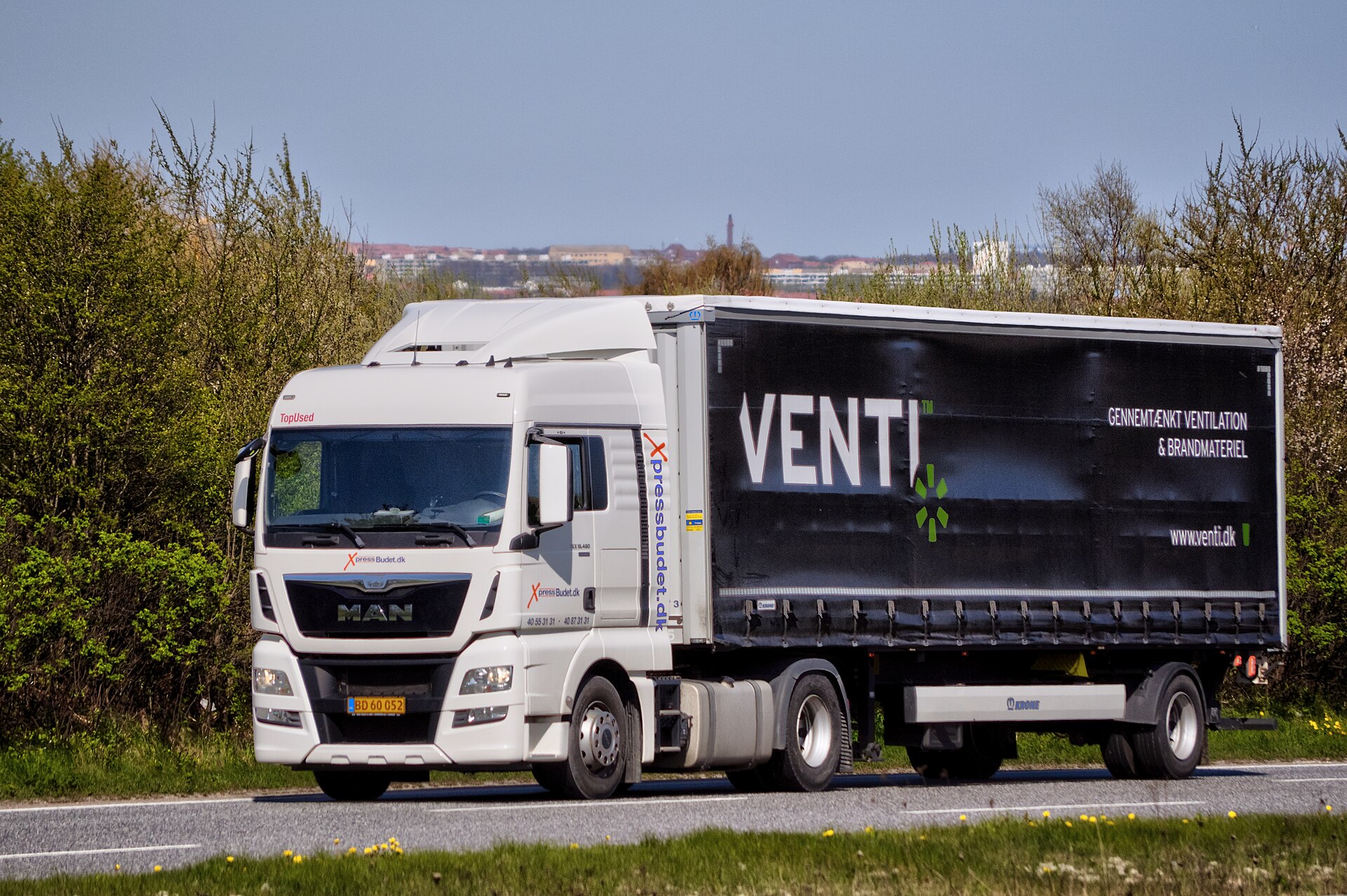
Cover photo: Lav Ulv via Wikimedia Commons, CC BY 2.0
DSC_5357_Balancer_(23922020018).jpg)