
Nothing burns morning schedules like a truck that will not start — and nothing burns starters, batteries and patience like cranking away at it without a plan. First, classify the failure. Everything else follows from that.
1. It will not crank at all
- Battery state first: a healthy 24V pair and clean, tight terminals solve most of these.
- Main isolator switch — obvious, and forgotten weekly somewhere.
- Interlocks: neutral or clutch switches, and PTO states that block cranking.
- A click without rotation: starter solenoid or a voltage-drop problem in heavy cables. Voltage-drop test the cables before condemning the starter.
2. It cranks but will not fire
- Fuel supply: tank level (and gauge honesty), filters overdue, water separator full, air drawn in through a loose filter seal or cracked suction line. Air in fuel is the classic cranks-forever fault. Vaden’s fuel filter and water separator guide covers the service points in detail.
- Winter: diesel gels in severe cold — waxed filters look clean but flow nothing. Use winter-grade fuel and approved additives before the cold, not after.
- Cold-start aids: inlet air heaters and glow systems that quietly failed in summer announce it in November.
- Electronics: immobiliser, crank sensor faults, low rail pressure codes, blown feed fuses. Scan before dismantling.
3. It starts, then dies
Usually fuel delivery collapsing under demand — suction-side air leaks, a clogging filter, a weak lift pump — or a sensor feeding the ECU nonsense. If it restarts after a rest and dies again, think fuel starvation, not ignition.
One hard rule
Never spray ether or “starting fluid” into an engine equipped with inlet heaters or glow elements. The result can be an intake explosion. If the engine needs a starting aid it was not designed for, the fault needs a mechanic, not a can.
General information for professional operators. Always follow the engine manufacturer’s diagnostic and safety procedures.
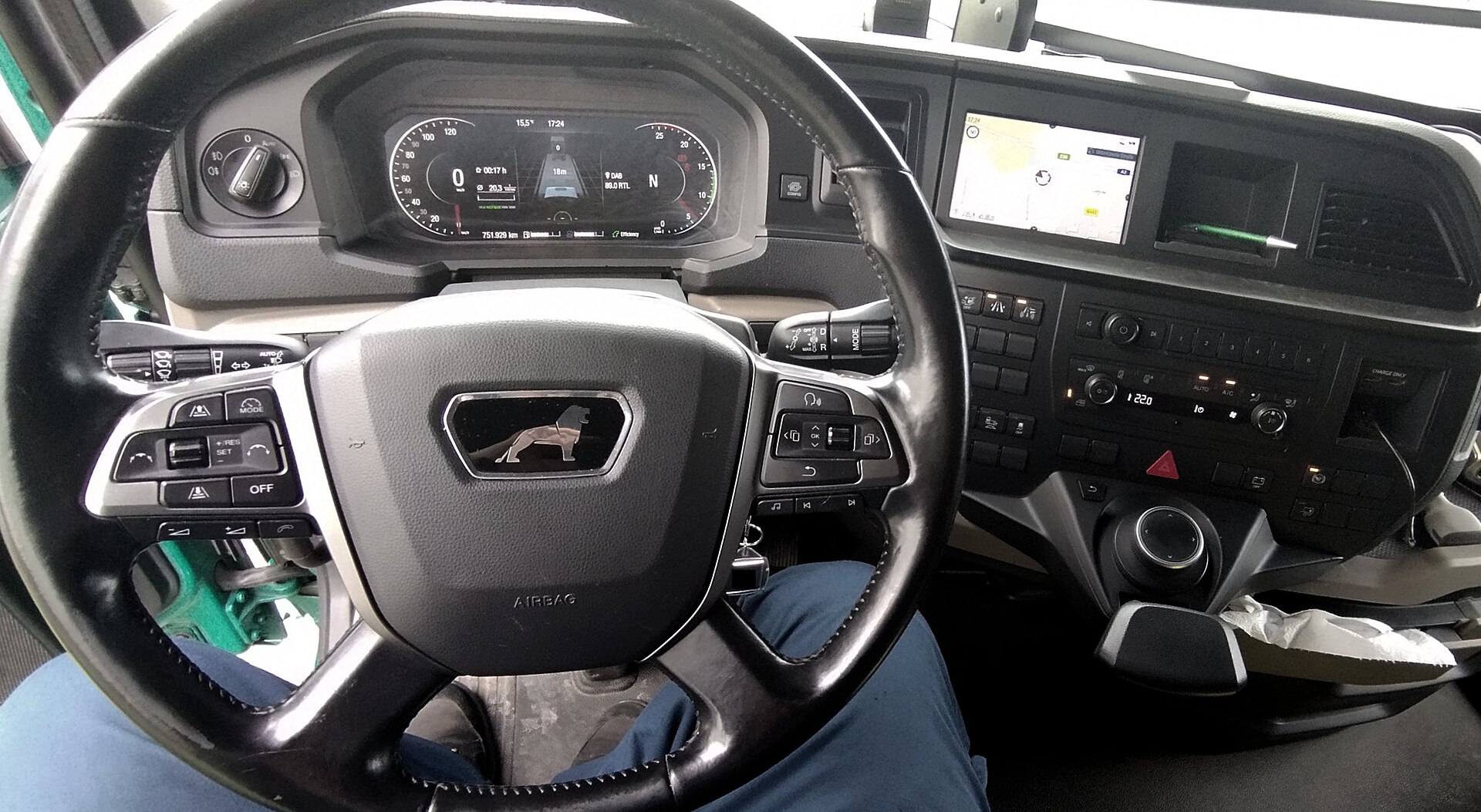
Cover photo: Grummelbacke via Wikimedia Commons, CC BY 4.0
