Hydrogen’s biggest backers just consolidated. Toyota has agreed to become an equal shareholder in Cellcentric, the hydrogen fuel-cell joint venture already held by Daimler Truck and Volvo Group — putting three of the world’s largest commercial vehicle players behind a single fuel-cell effort.
What was announced
- Toyota, Daimler Truck and Volvo Group as equal partners in Cellcentric, pooling fuel-cell development at scale.
- Mercedes-Benz NextGenH2 Truck: a small-series run of around 100 units built at Wörth and deployed with customers from the end of 2026, using a liquid-hydrogen (sLH2) standard that refuels in 10–15 minutes.
- Infrastructure push: the partners continue to call for roughly 1,000 heavy-duty hydrogen refuelling stations across Europe by 2030, with new corridor projects near major ports and cities.
Why it matters
Fuel cells have long promised diesel-like range and refuelling for the heaviest, longest hauls — the niche we examine in our hydrogen-versus-battery analysis. Pooling three manufacturers’ resources is an admission that no single maker can carry hydrogen’s cost and infrastructure burden alone.
The reality check
Timelines have slipped repeatedly, and refuelling coverage remains the binding constraint — Europe and the US still count hydrogen truck stations in the dozens, not the thousands needed. Battery-electric trucks, meanwhile, keep winning the depot and regional segments. Hydrogen’s moment, if it comes, is later and narrower than early hype suggested — but with Toyota aboard, it is not going away.
Sources: Daimler Truck, Electric Cars Report
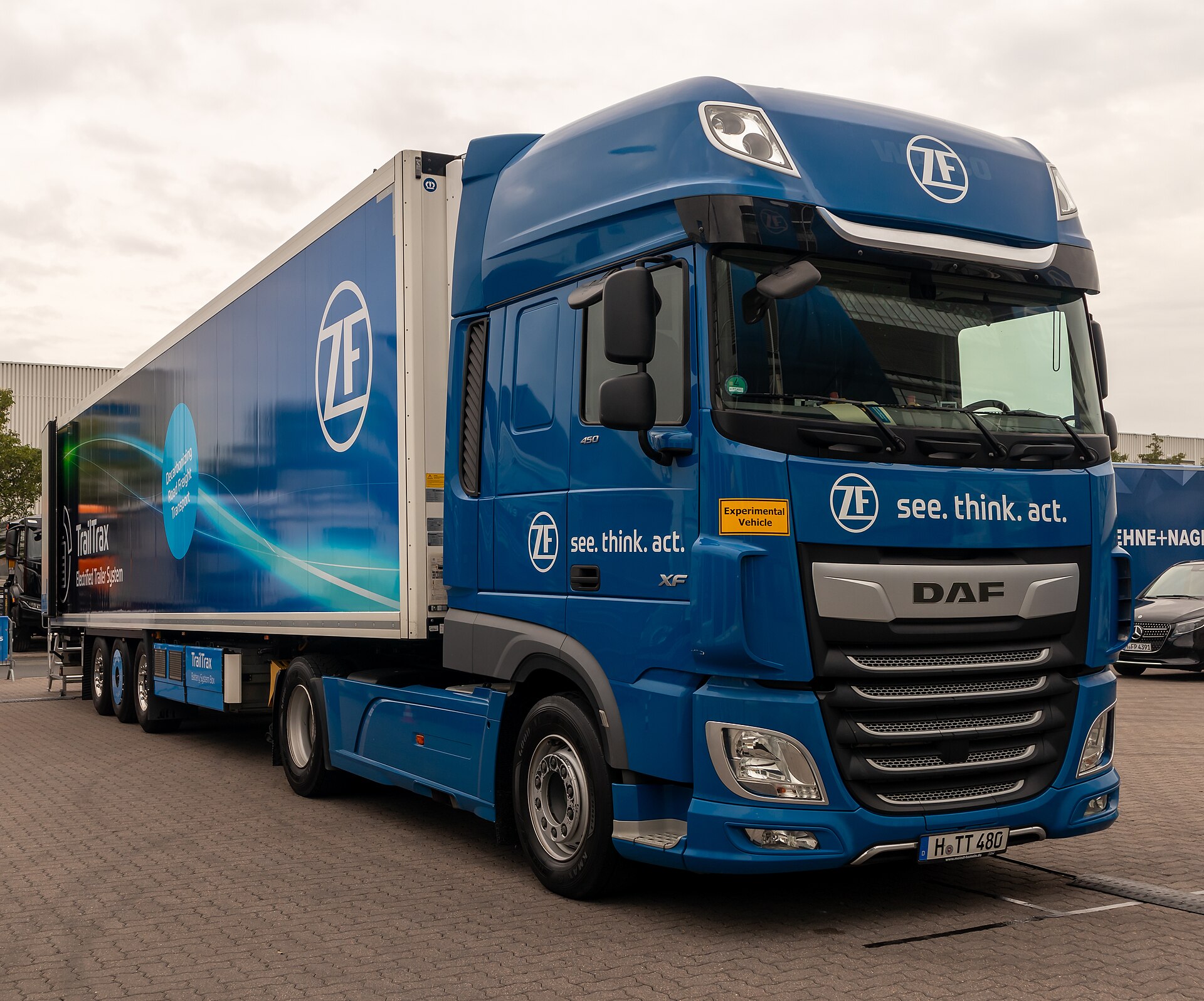
Cover photo: Celestinesucess via Wikimedia Commons, CC BY-SA 4.0
.jpg)