
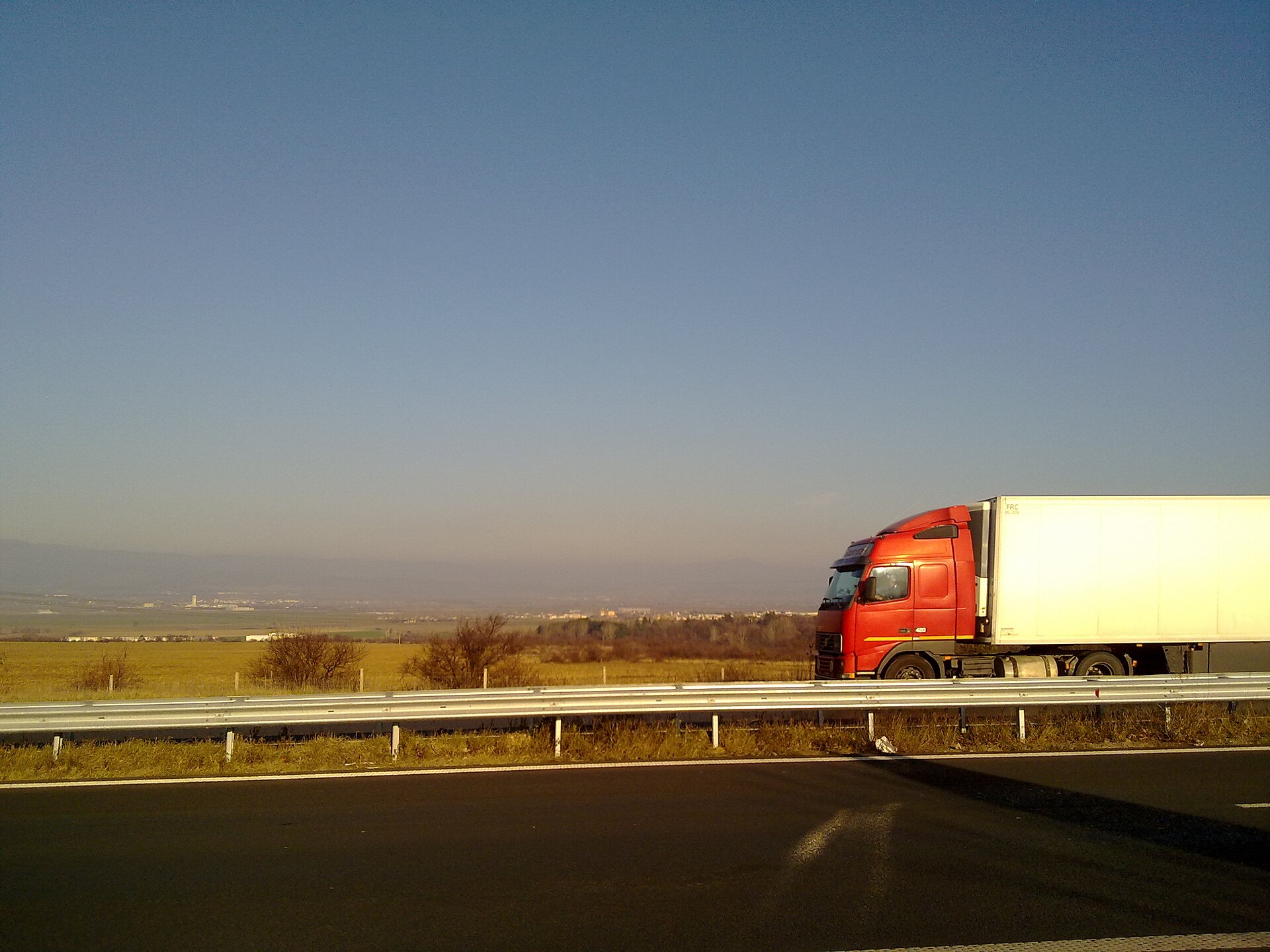
At motorway speed, most of the energy a truck burns goes into pushing air out of the way. Because drag rises with the square of speed, aerodynamics is one of the largest — and most misunderstood — levers on fuel cost, second only to the driver.
What actually works
- Roof and cab deflectors matched to trailer height: a mismatched deflector can cost more than none. The tractor-trailer pairing matters as much as the parts.
- Closing the tractor-trailer gap and side skirts that smooth flow along the trailer.
- Rear devices (boat tails) that cut the low-pressure wake behind the trailer.
- Aero mirrors or camera systems, chassis fairings and wheel covers — smaller gains that add up.
- Keeping it intact: a torn skirt or missing deflector panel quietly gives the savings back.
The speed multiplier
No aero package beats the cheapest measure of all: speed discipline. Because drag scales with the square of speed, a modest reduction in cruising speed saves fuel no bodywork can match — which is why it tops our fuel-saving guide.
Reading the claims
Aero savings are real but conditional — they depend on speed, route, crosswinds and how well the kit fits the actual trailer. Treat headline percentages as best-case, measure on your own routes, and remember the interaction with electrification: for battery trucks, less drag means more range, so aerodynamics matters more, not less, in the electric era.
Cover photo: Hakuna.Matata via Wikimedia Commons, CC BY-SA 4.0
