
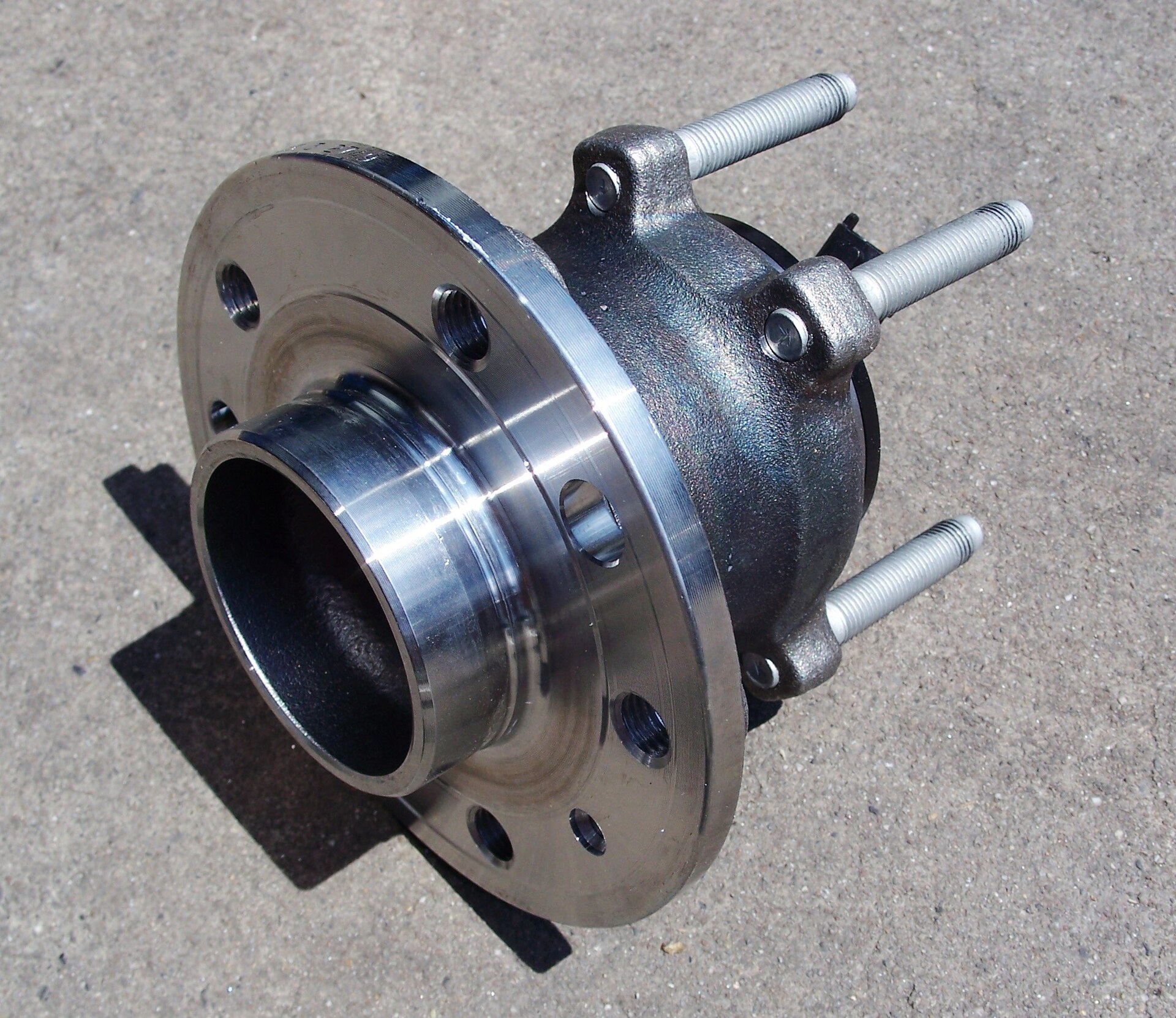
The wheel-end seal keeps lubricant in and contamination out. When it fails, two expensive things follow: the bearing loses its oil bath, and lubricant can reach the brake linings — killing braking on that wheel. Neither is a problem you want to discover at speed.
Reading the signs
- Oil film on the wheel, tyre sidewall or inner rim — the classic tell on oil-bath hubs.
- Dropping hub oil level in the sight glass, or grease escaping on greased hubs.
- Contaminated brake linings and reduced braking on one wheel — treat as urgent.
- Discoloured, smelly hub oil — overheating from a starved or failing bearing.
Why seals fail
- Age hardening and wear of the seal lip.
- A scored or corroded seal running surface on the hub or axle.
- Over- or under-filling, or the wrong lubricant.
- Bearing play letting the hub move and work the seal — see our bearing checks.
- Blocked hub or axle breathers building pressure that pushes oil past the seal.
Doing the job right
- Replace the seal and inspect the running surface — a new seal on a scored surface leaks again in weeks.
- Renew bearings if there is any doubt; the labour is the same.
- Set preload to the manufacturer procedure exactly.
- Clean and clear the breather.
- Never reuse a seal once disturbed.
Log hub oil levels and any weeping in the daily walk-around; a seal caught early is a cheap fix, while one ignored becomes a bearing, a hub and sometimes a wheel.
General information for professional operators. Always follow the vehicle manufacturer’s service documentation and local regulations.
Cover photo: Cschirp via Wikimedia Commons, CC BY 3.0
