
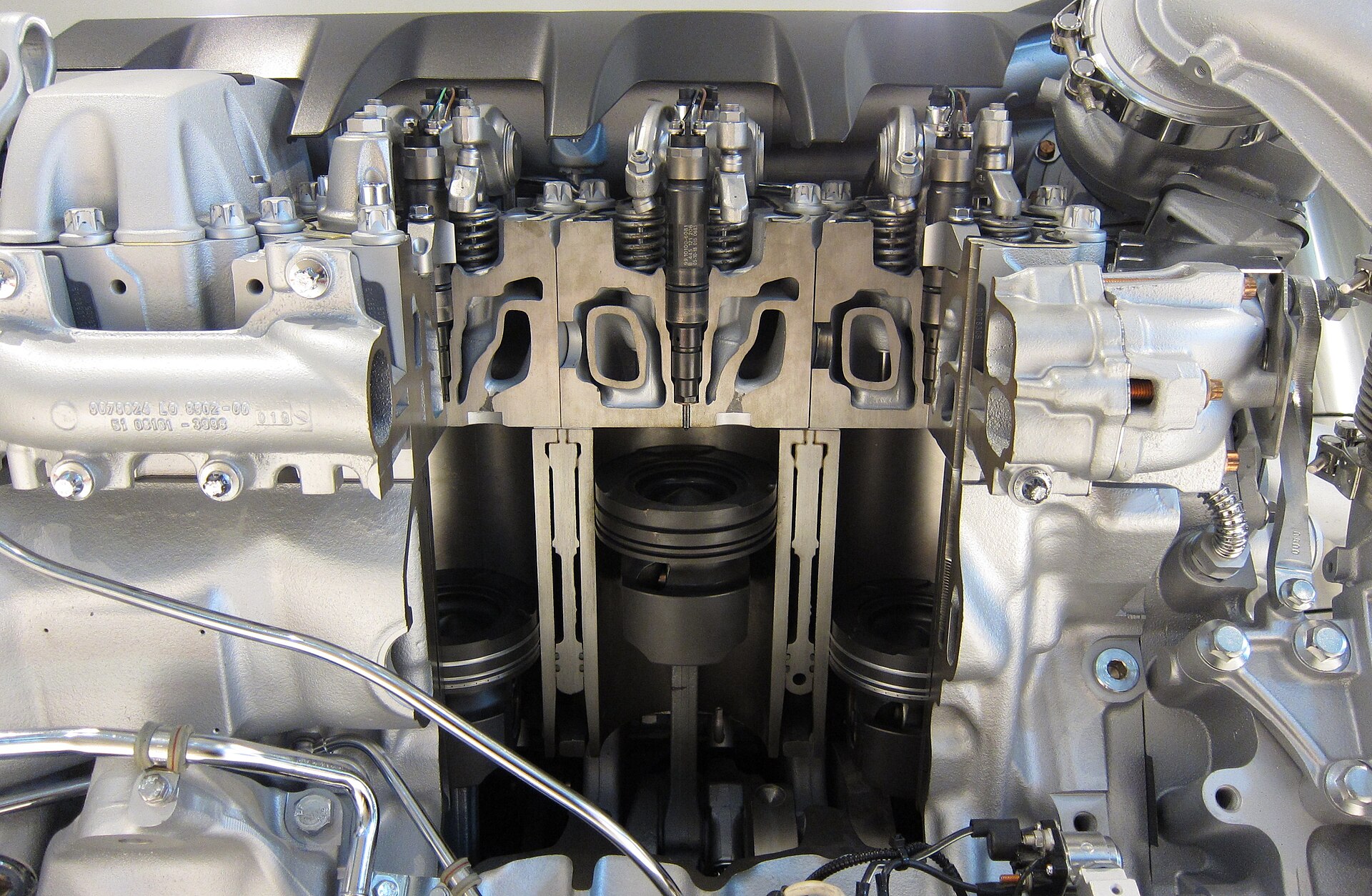
The cylinder head gasket seals combustion pressure, coolant and oil galleries against each other across the same joint. When it fails, those systems cross-contaminate — and the damage compounds fast. Knowing the symptoms turns a gasket job into a planned repair instead of an engine rebuild.
The tell-tale signs
- White exhaust smoke with a sweet smell — coolant burning in a cylinder.
- Bubbles in the header tank or unexplained pressure — combustion gas in the coolant.
- Oil like a milkshake, or coolant in the oil — galleries crossing.
- Overheating and coolant loss with no external leak — often the first sign, as in our overheating diagnosis.
- Loss of compression and misfire when the gasket fails between cylinders.
Why gaskets blow
- Overheating — by far the most common cause; heat warps the head and crushes the gasket. Cooling faults are the real culprit behind most “random” gasket failures.
- Pre-existing coolant neglect and corrosion (see our coolant chemistry guide).
- A warped or cracked head, or an uneven, corroded deck.
- Incorrect head-bolt torque or reused stretch bolts at the last repair.
Fixing it so it stays fixed
A gasket that failed from overheating will fail again unless the cause is cured. Pressure-test the cooling system, skim and check the head for flatness and cracks, use new bolts to the correct sequence and torque, and confirm the fan, thermostat and water pump are healthy. Component supplier Vaden covers the wider job in its cylinder head group guide. Treat the gasket as a symptom, not the disease.
General information for professional operators. Always follow the vehicle manufacturer’s service documentation and local regulations.
Cover photo: Olivier Cleynen via Wikimedia Commons, CC BY-SA 3.0
