
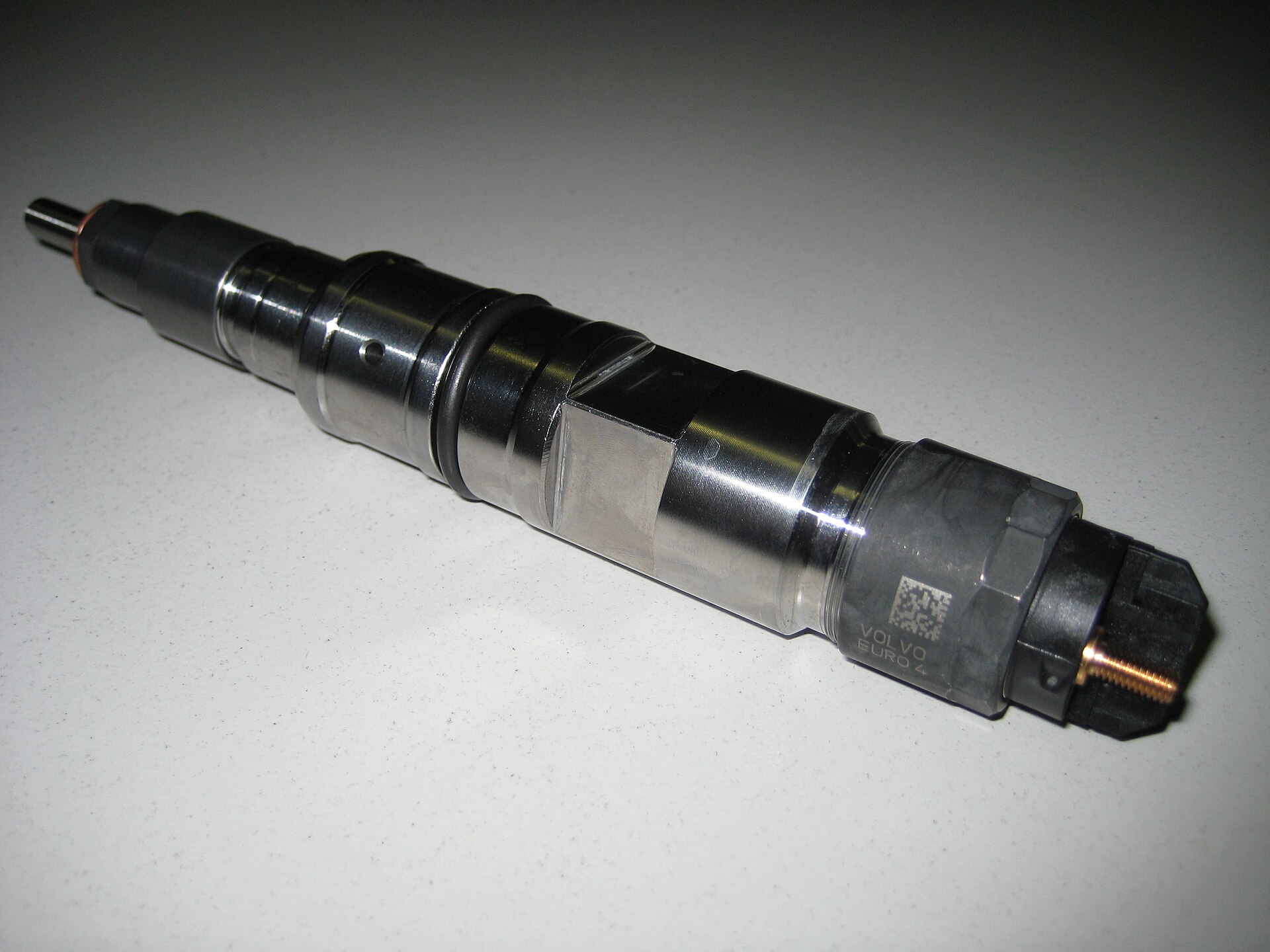
Modern common-rail diesels inject fuel at extraordinary pressures with microsecond timing. When injectors or the high-pressure pump wear, the engine tells you — through smoke, noise, misfires and fuel dilution — long before it stops. Reading those signs saves both the engine and the fuel bill.
Injector symptoms
- Rough idle and misfire from one or more cylinders — a leaking or coking injector.
- Black smoke from over-fuelling; white smoke from poor atomisation or late injection.
- Knocking or “diesel rattle” that changes with load.
- Hard starting and the cranks-forever fault covered in our no-start guide.
- Rising oil level and fuel smell in the oil — injectors leaking fuel past into the sump.
Pump and supply symptoms
- Power loss and low rail-pressure fault codes under load.
- Stalling and surging — often a fuel-supply restriction, not the pump itself.
- Metal in the fuel filter — a serious warning of internal pump wear that can circulate debris system-wide.
The cause is often upstream
Injectors and pumps are precision parts destroyed by dirty fuel and water. A neglected fuel filter and water separator is the most common root cause — service it on schedule (component supplier Vaden covers this in its fuel filter guide). For the injector’s own failure modes, its injector failure-symptoms guide is a useful reference.
Diagnose before you replace: cylinder contribution tests and return-flow checks isolate the failing injector, so you fix the fault rather than replacing a full, expensive set on a hunch.
General information for professional operators. Always follow the vehicle manufacturer’s service documentation and local regulations.
Cover photo: Panoha via Wikimedia Commons, CC BY-SA 3.0
