
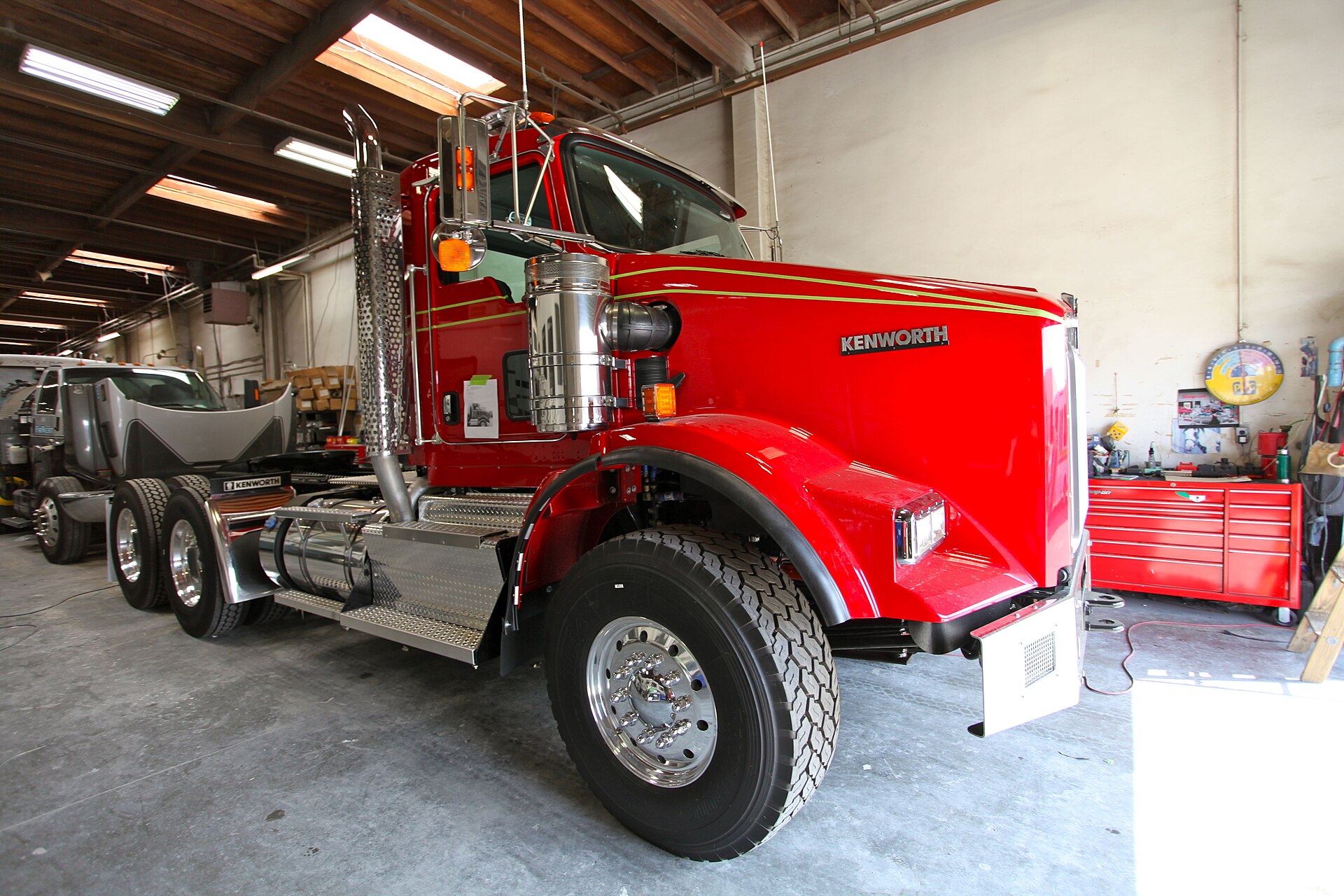
A commercial vehicle that is not roadworthy is a liability the moment it leaves the yard. The annual (periodic) inspection — the US DOT version is defined by FMCSA rule 396.17 — is the formal check that keeps a truck legal, and it maps closely to the preventive work a good fleet already does.
What the inspection covers
- Brake system: linings, drums/discs, chambers, slack adjusters, air lines and low-pressure warning — the single biggest source of violations.
- Steering and suspension: play, springs, bushings, shock absorbers, air bags.
- Tyres and wheels: tread depth, damage, inflation, wheel security — read the story in our tyre-wear guide.
- Lighting, coupling, frame, exhaust and fuel systems.
Brakes and the air system fail most
Roadside enforcement data consistently puts brakes and the air system at the top of the violation list. Slow pressure build, moisture-laden air, tired dryer cartridges and worn chambers are exactly the faults our air-pressure diagnosis guide covers — and the ones that most often turn an inspection into an out-of-service order. Keeping the air side healthy means servicing the dryer and its valves on schedule; suppliers such as Vaden stock the dryer valves and cartridges this depends on.
Who can inspect — and when
The annual inspection must be carried out by a qualified inspector to a defined standard, and the record kept with the vehicle. It sits alongside the driver’s daily walk-around and any roadside inspections; passing the annual is far easier when the daily and scheduled work is already being done.
Prepare, don’t cram
Fleets that treat the annual as a scheduled milestone in their preventive maintenance programme — not a panic the week before — pass first time and avoid the downtime a failure creates. The inspection is a check, not the maintenance itself.
Inspection scope and intervals vary by country and vehicle class. Follow your national regulations (in the US, FMCSA 49 CFR 396) and manufacturer guidance.
Cover photo: BEAR RV via Wikimedia Commons, CC BY 3.0
