Driving a heavy truck for a living starts with a licence that proves you can do it safely. In the United States that is the Commercial Driver’s License (CDL); Europe uses a category-based system with mandatory professional training. Either way, the path is well-defined — and, with a global driver shortage, in high demand.
What a CDL is
- Class A: combination vehicles over 26,000 lb with a trailer over 10,000 lb — the licence for tractor-trailers.
- Class B: large single vehicles such as straight trucks and many buses.
- Class C: smaller commercial vehicles carrying hazardous materials or passengers.
The steps in the US
- Meet the basics: minimum age (18 intrastate, 21 for interstate and hazmat), a valid licence and a DOT medical certificate.
- Entry-Level Driver Training (ELDT): since 2022, first-time applicants must complete training with a provider on the FMCSA registry before the skills test.
- Commercial Learner’s Permit (CLP): pass the knowledge tests to practise under supervision.
- Skills test: vehicle inspection, basic control and the on-road drive in the class of vehicle you want.
Endorsements that pay
Extra endorsements expand what you can drive and lift your income: H (hazmat), N (tanker), T (doubles/triples) and P/S (passenger/school bus). As our guide to driver pay shows, specialisation is one of the biggest levers on earnings.
The European route
Europe issues category C (rigid) and C+E (articulated) licences, paired with the mandatory Driver CPC (Certificate of Professional Competence) and periodic refresher training. The structure differs but the goal is the same — and the shortage of qualified drivers means employers increasingly help fund the training.
Requirements, ages and costs vary by country and state. Confirm current rules with your national licensing authority (in the US, the FMCSA) before starting.
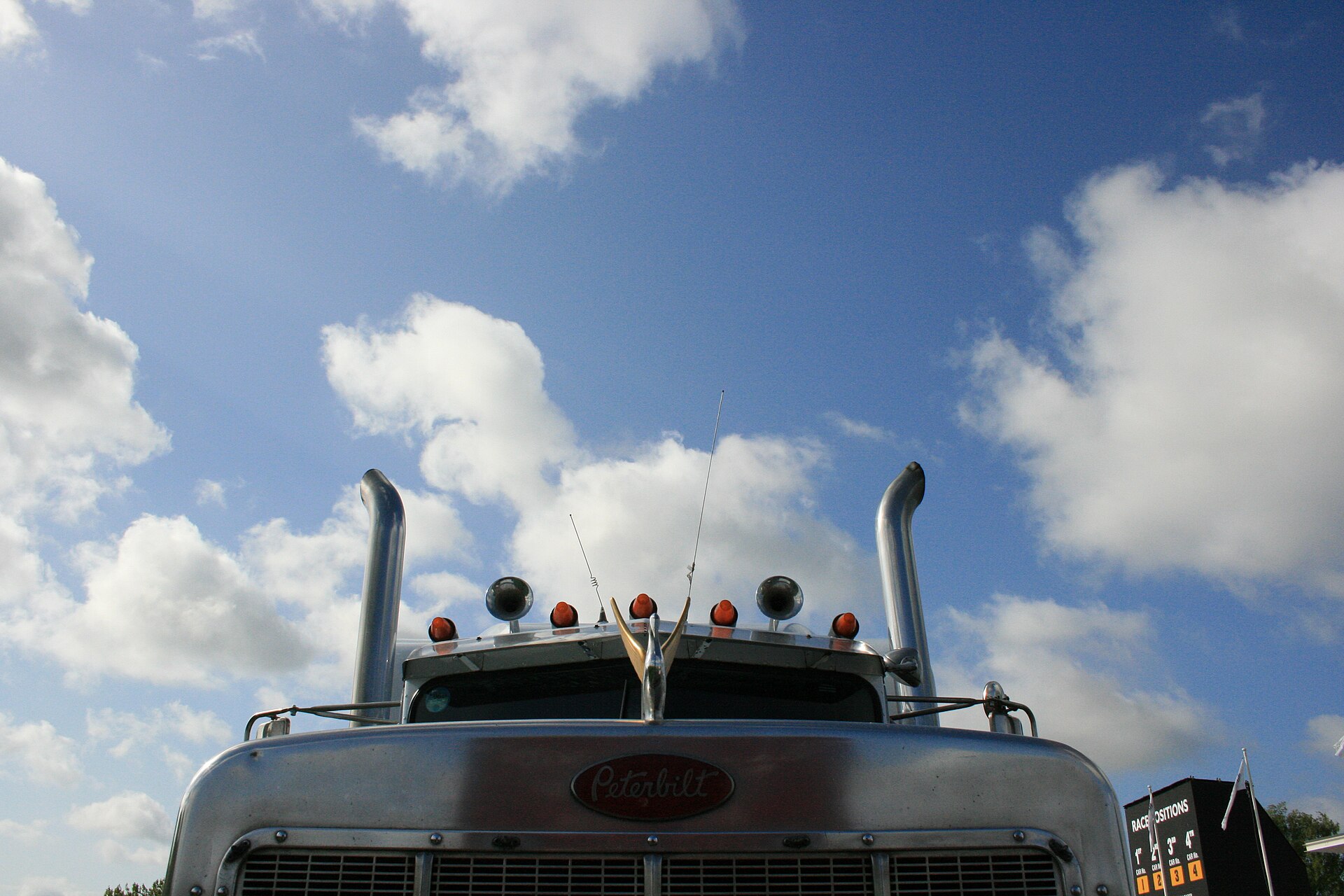
Cover photo: Supermac1961 via Wikimedia Commons, CC BY 2.0
