
Driver wages are both the largest controllable cost in most road-freight operations and the clearest signal of how tight the labour market has become. What a truck driver earns depends on where they drive, what they haul and how they are paid — but the direction of travel everywhere is up.
The United States
US Bureau of Labor Statistics data puts the median pay for heavy and tractor-trailer drivers in the low-to-mid US$50,000s per year, with experienced long-haul, specialised and owner-operator drivers earning well beyond that. Over-the-road (OTR) drivers typically out-earn regional and local drivers, trading home time for miles.
Europe
European pay varies enormously by country — a driver in Germany, the Netherlands or Scandinavia can earn several times the gross wage of one in parts of Eastern Europe, which is exactly the imbalance driving cross-border recruitment and the wider structural driver shortage. Across the board, wages have risen as fleets compete for a shrinking pool.
How drivers are actually paid
- Per mile / per kilometre: common in US long-haul — income rises with distance, which is why utilisation and detention time matter so much.
- Hourly: typical for local, urban and vocational work.
- Salary: increasingly used to attract and retain drivers with predictable income.
- Accessorials and bonuses: detention, layover, safety and sign-on bonuses can add up meaningfully.
What lifts a driver’s pay
Endorsements and specialisation move the number most: hazmat, tanker, doubles/triples, oversize and refrigerated work all pay premiums, as does a clean safety record and years behind the wheel. For anyone weighing the career, the route in is our guide to getting a CDL.
Figures are indicative and vary by country, employer, sector and year. Use current national data for planning.
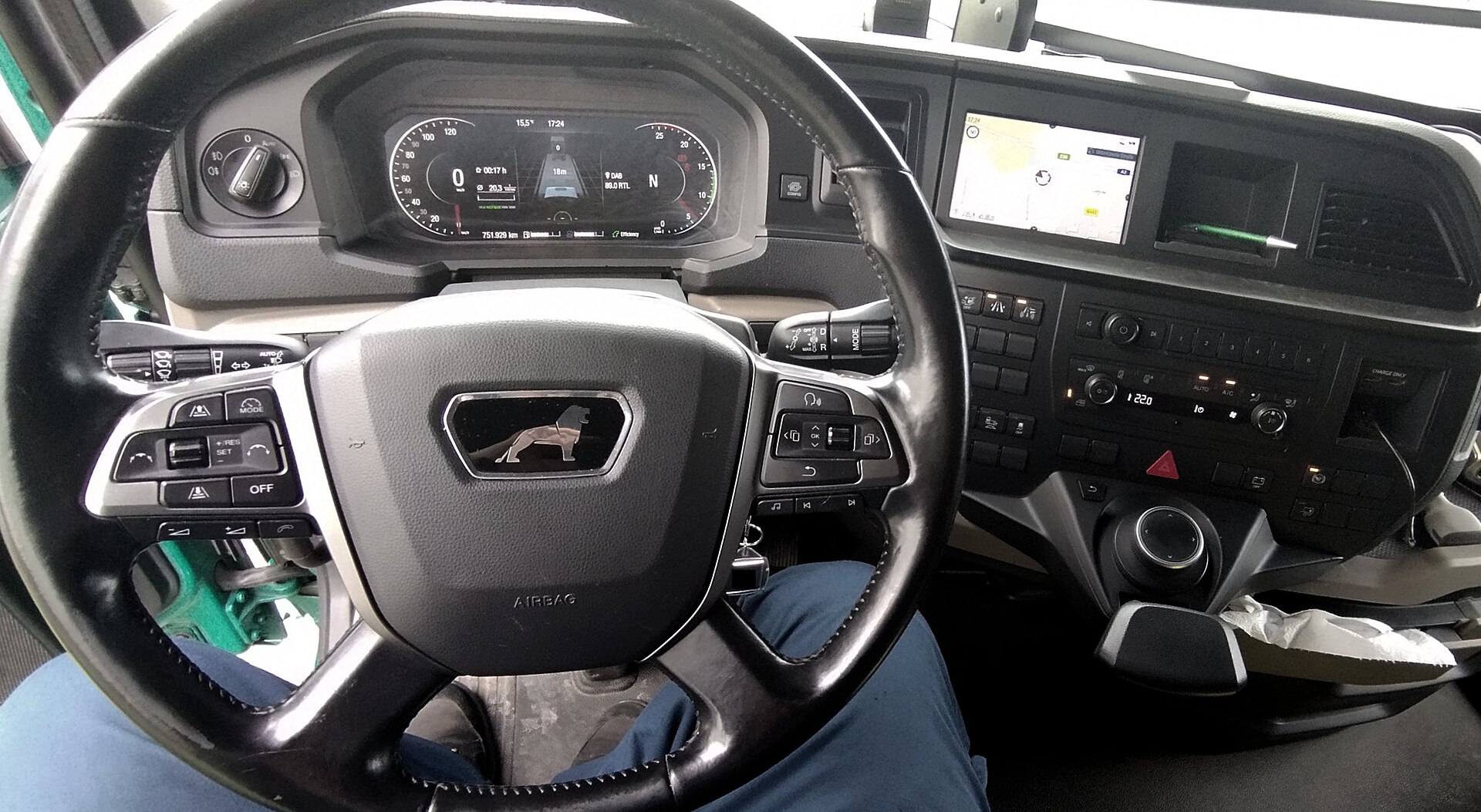
Cover photo: Grummelbacke via Wikimedia Commons, CC BY 4.0
