
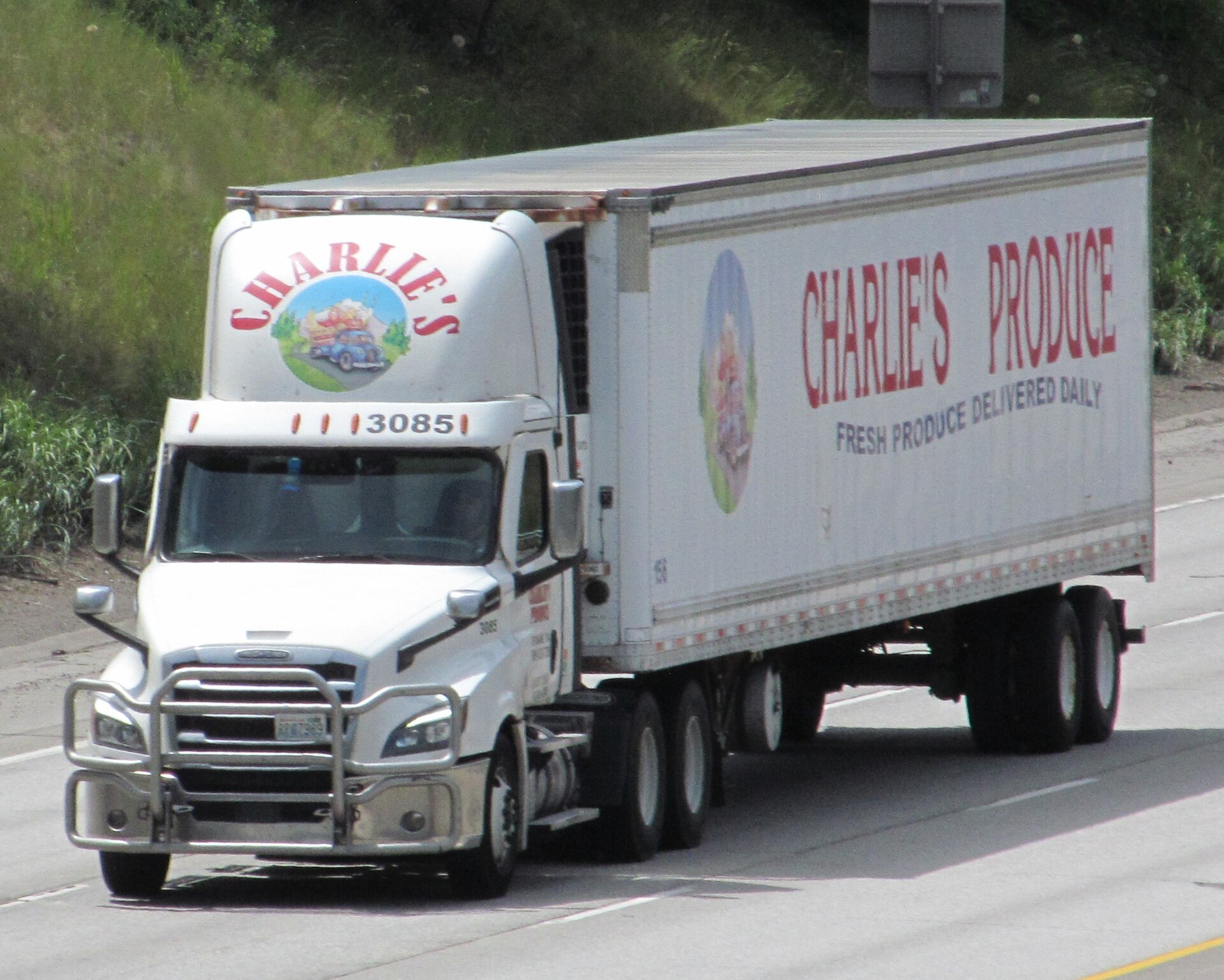
A reefer — refrigerated trailer — is what keeps the cold chain intact from farm and factory to shelf. It is not simply an insulated box: it is an active refrigeration system on wheels, and the discipline around it is some of the most demanding in road freight.
How a reefer works
A reefer trailer combines heavy insulation with a nose-mounted refrigeration unit — traditionally powered by its own small diesel engine, increasingly by electric or hybrid drives. The unit cools (and, when needed, heats) circulated air to hold a precise set-point, whether that is frozen goods at −18 °C or fresh produce just above freezing. Air distribution along the trailer floor and ceiling keeps temperature even from nose to doors.
Why the cold chain is unforgiving
- Product integrity: a few hours out of range can spoil a food load or ruin temperature-sensitive pharmaceuticals.
- Compliance and traceability: temperature is logged continuously; telematics now stream set-point and actual temperature so a breach is flagged in real time, not discovered at delivery.
- Multi-temperature loads: bulkheads split a trailer into zones so frozen and chilled goods travel together.
Running costs and maintenance
The refrigeration unit is a second engine to maintain — fuel, filters, belts, refrigerant charge and the coil all need servicing, and downtime on a reefer unit can mean a rejected load, not just a late one. Winter brings its own demands; our winter fleet checklist applies to the tractor that hauls it, while the unit itself belongs in the wider total-cost-of-ownership picture.
The electric shift
Diesel reefer units face the same pressure as diesel trucks: urban noise and emissions rules, plus operators wanting cleaner cold chains. Electric standby, battery-electric and axle-generated power are all growing, quietly extending electrification from the cab to the trailer behind it.
Cover photo: Ewkada via Wikimedia Commons, CC BY 4.0
