Bus safety and passengers
Doors and exits, seat belts, fire, rollover strength and access for passengers with reduced mobility — what the UN regulations require of the vehicle, and what passengers are owed.
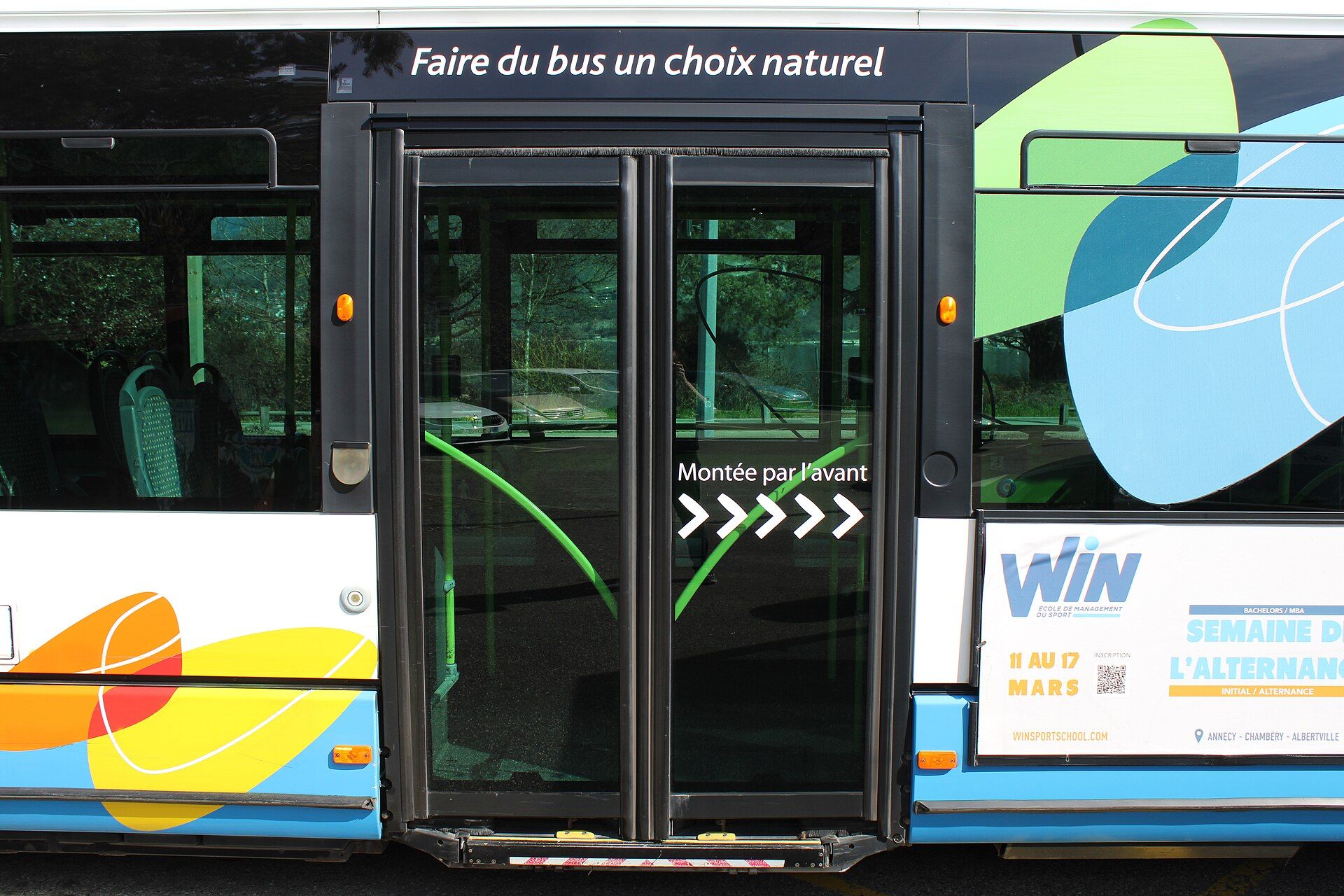
Bus Doors and Emergency Exits Under UN Regulation 107How UN Regulation No. 107 sets the minimum number and size, and the position, of a bus's service doors and emergency exits, and what opens a power-operated door when the supply fails.
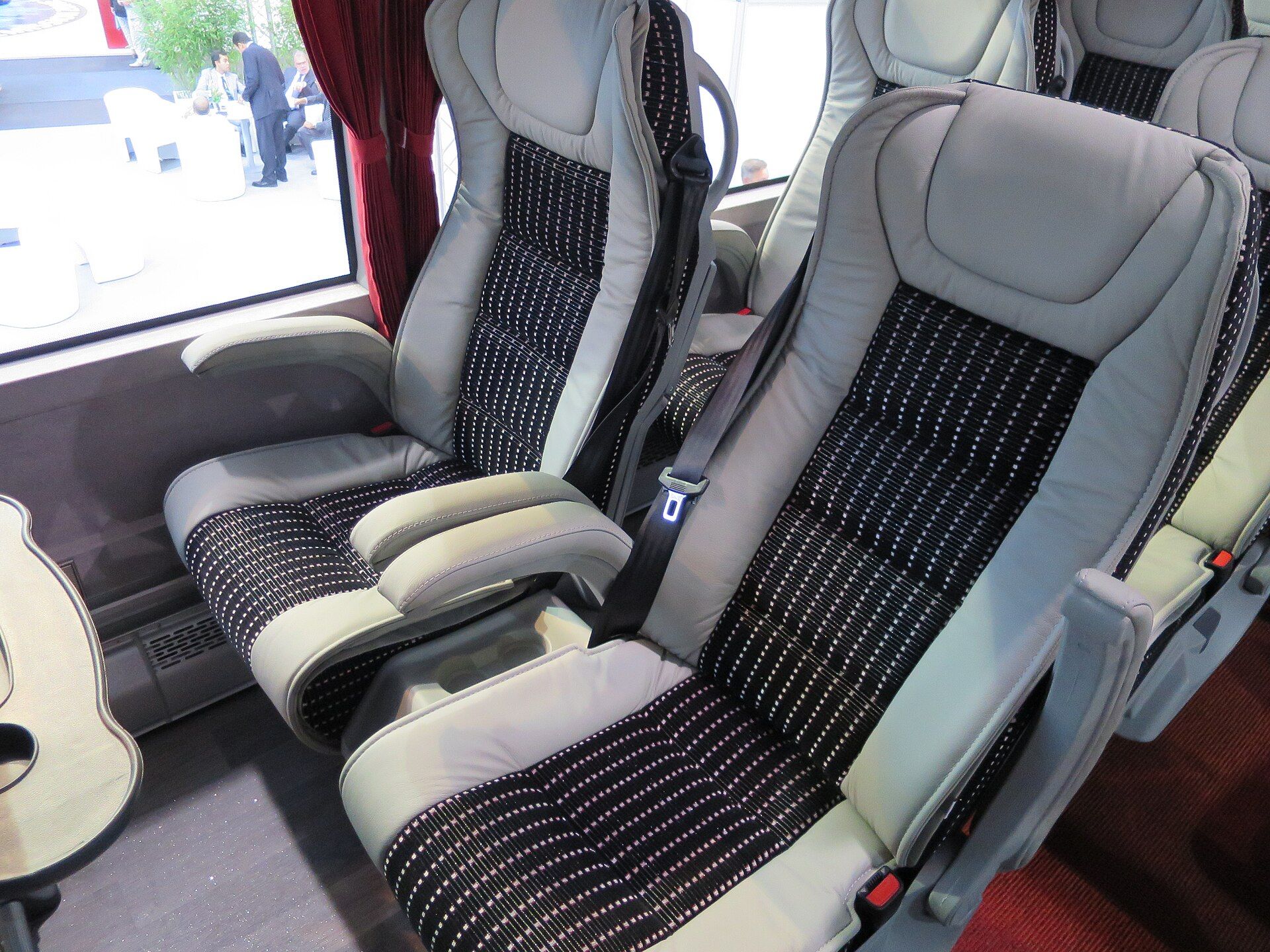
Bus Seat Belts: Which Classes Must Have Them, and Who Must Wear ThemUN Regulation No 16 requires safety belts only in Class III and Class B buses; Class I and A may be fitted, Class II where a Contracting Party demands it. Wearing them is a separate directive.
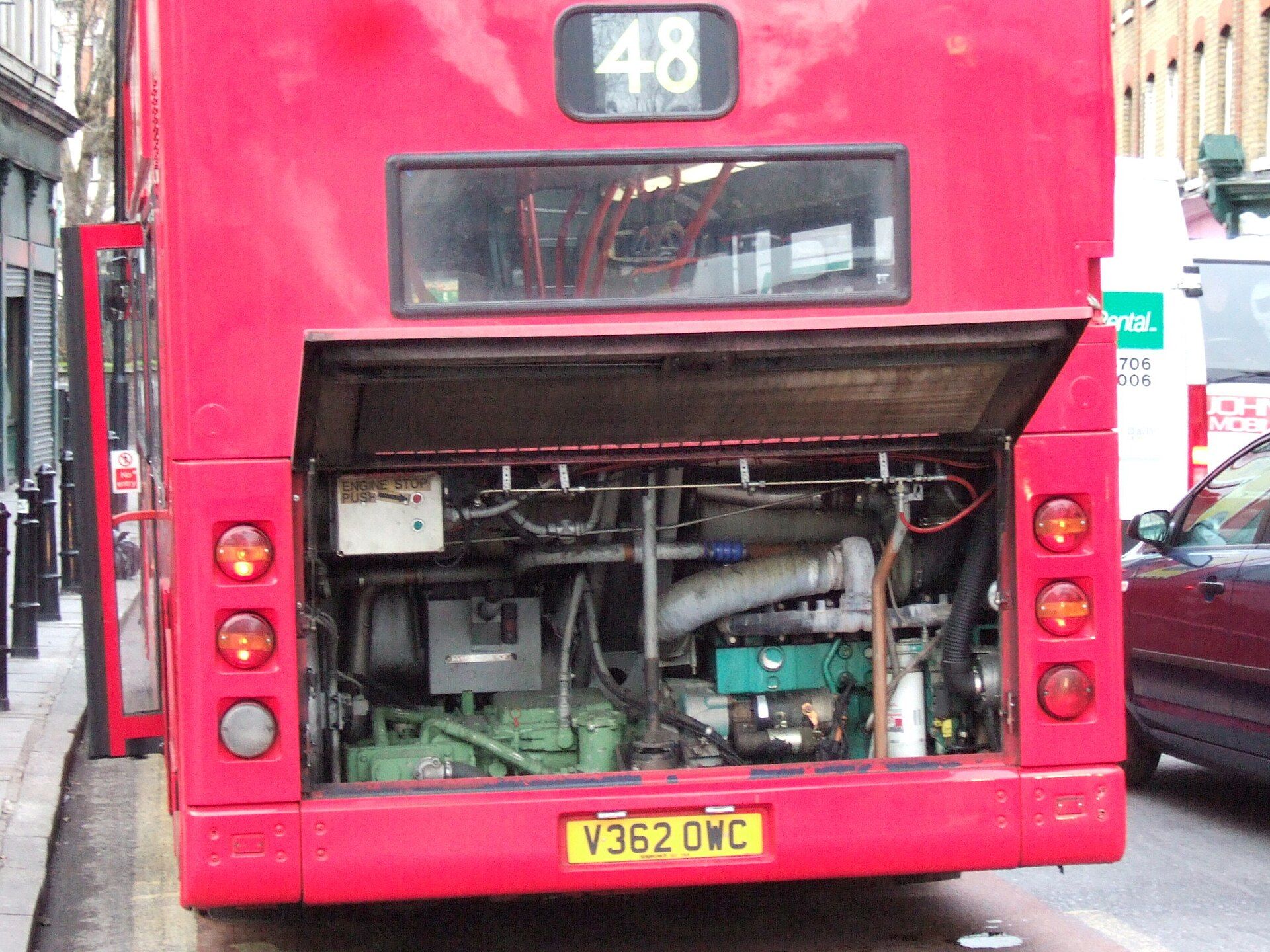
Bus Fire Safety Under R107 and R118: Two Separate RegimesIn UN R107's text up to the 11 series, a combustion engine or heater behind the driver's compartment requires fire suppression in Classes I–III; UN R118's own scope stops at M3 Classes II and III.
UN R66 Bus Rollover Strength, and the Classes Left OutUN Regulation No. 66 names only single-deck Class II, III and B vehicles above 16 passengers. Class I, Class A and double-deckers are left out by omission — but one bus can hold two classes.
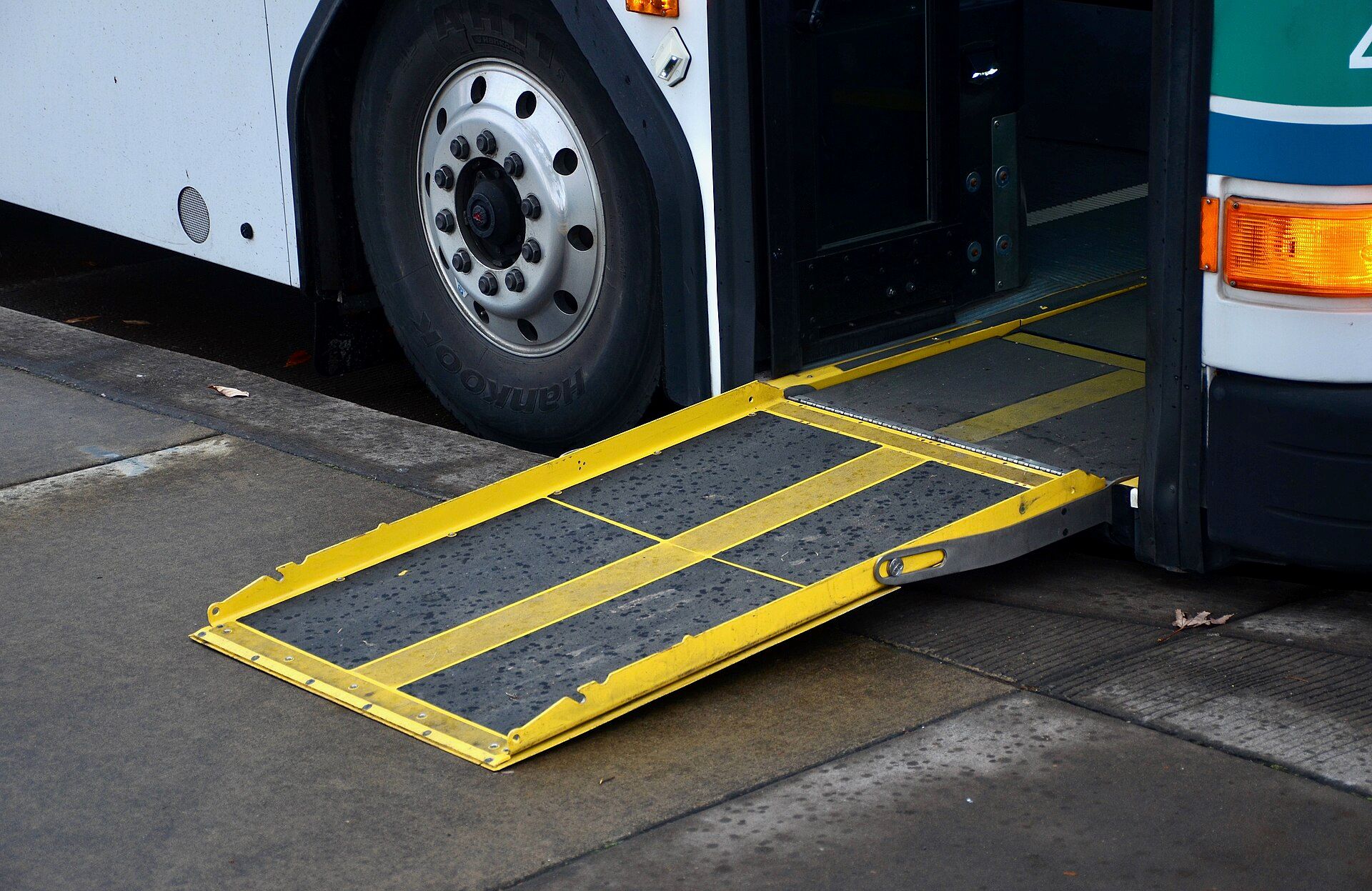
Bus Accessibility Under UN Regulation 107How UN Regulation 107 makes Annex 8 accessibility compulsory for Class I buses (step heights, ramps, lifts, wheelchair spaces), defines low-floor, and binds other classes only on what is fitted.
Bus and coach passenger rights: what the 250 km test decidesRegulation (EU) No 181/2011 attaches to the service, not to the vehicle: what the 250 km test decides, what survives below it, and which duties an occasional service never carries.
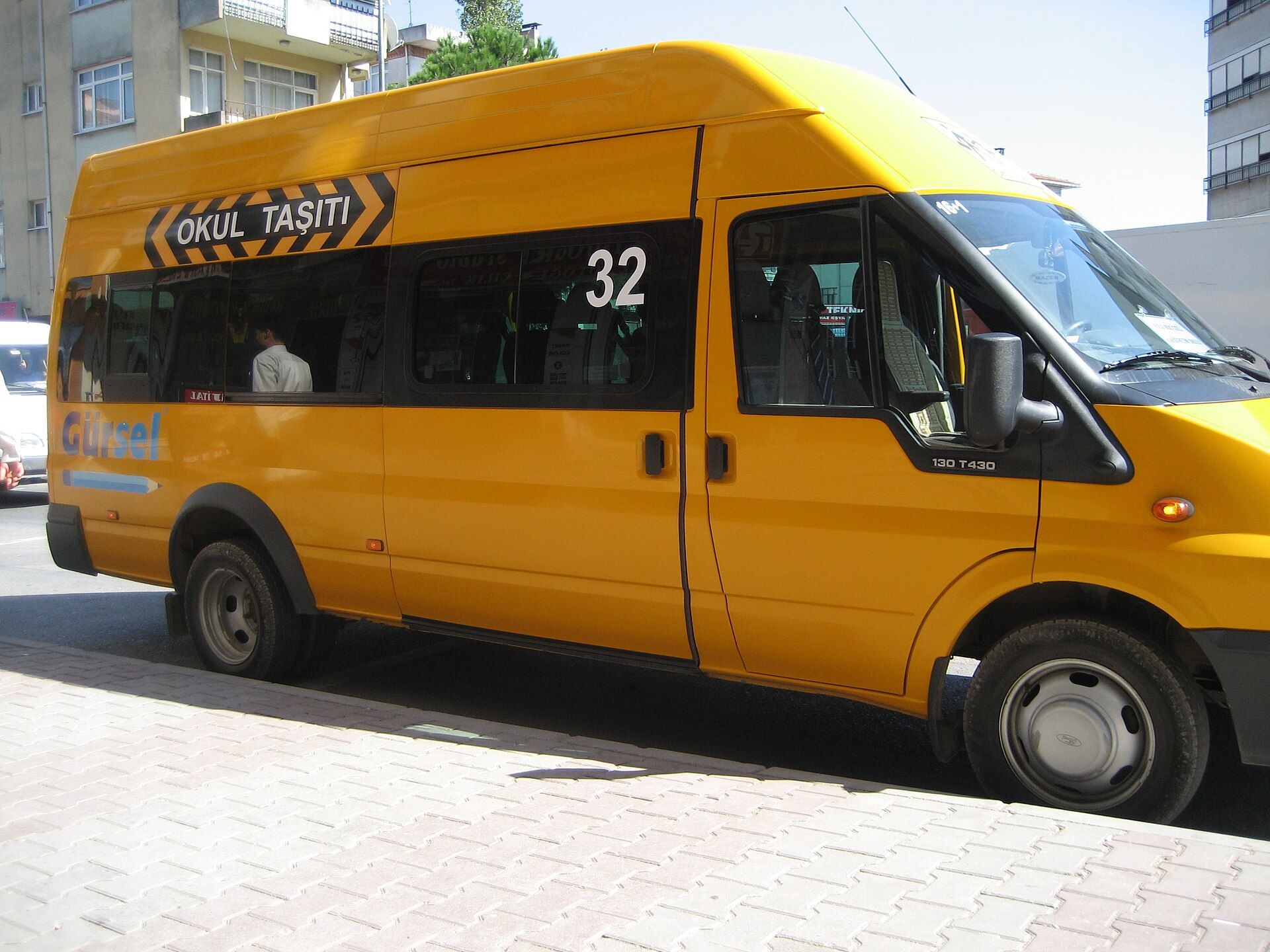
School transport vehicles: the category Europe never builtUN Regulation No. 107 excludes vehicles specially designed for schoolchildren from its requirements, so Europe has no school bus type. What governs the school run instead.