Operating
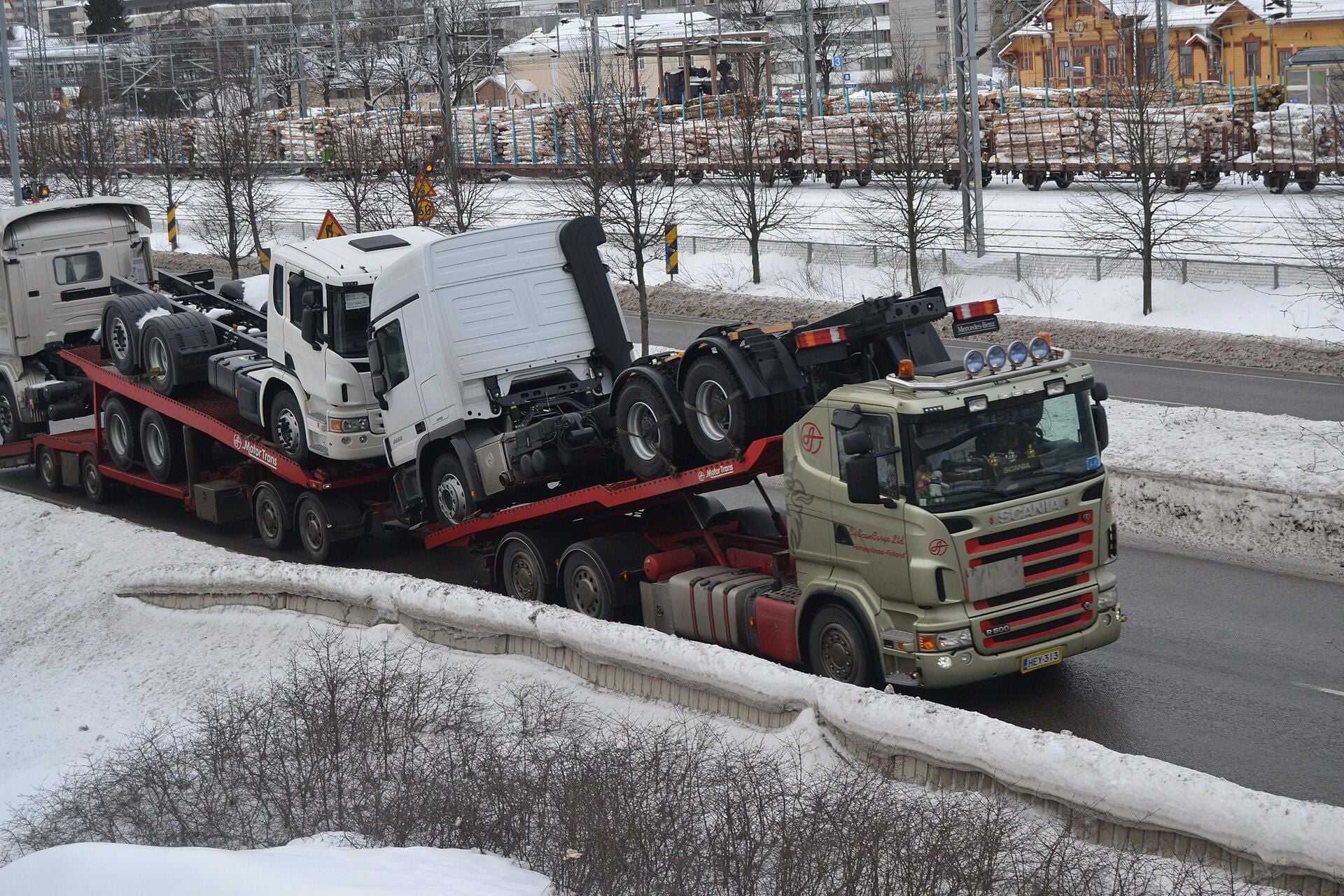
Truck tolls in Europe and the Eurovignette: who pays where
Where heavy trucks still buy a Eurovignette and where they pay by the kilometre: who pays, on which roads and how, in twelve countries, and the EU dates ahead.
28 sources
Operating
Truck tolls in Europe and the Eurovignette: who pays where
Where heavy trucks still buy a Eurovignette and where they pay by the kilometre: who pays, on which roads and how, in twelve countries, and the EU dates ahead.
Operating
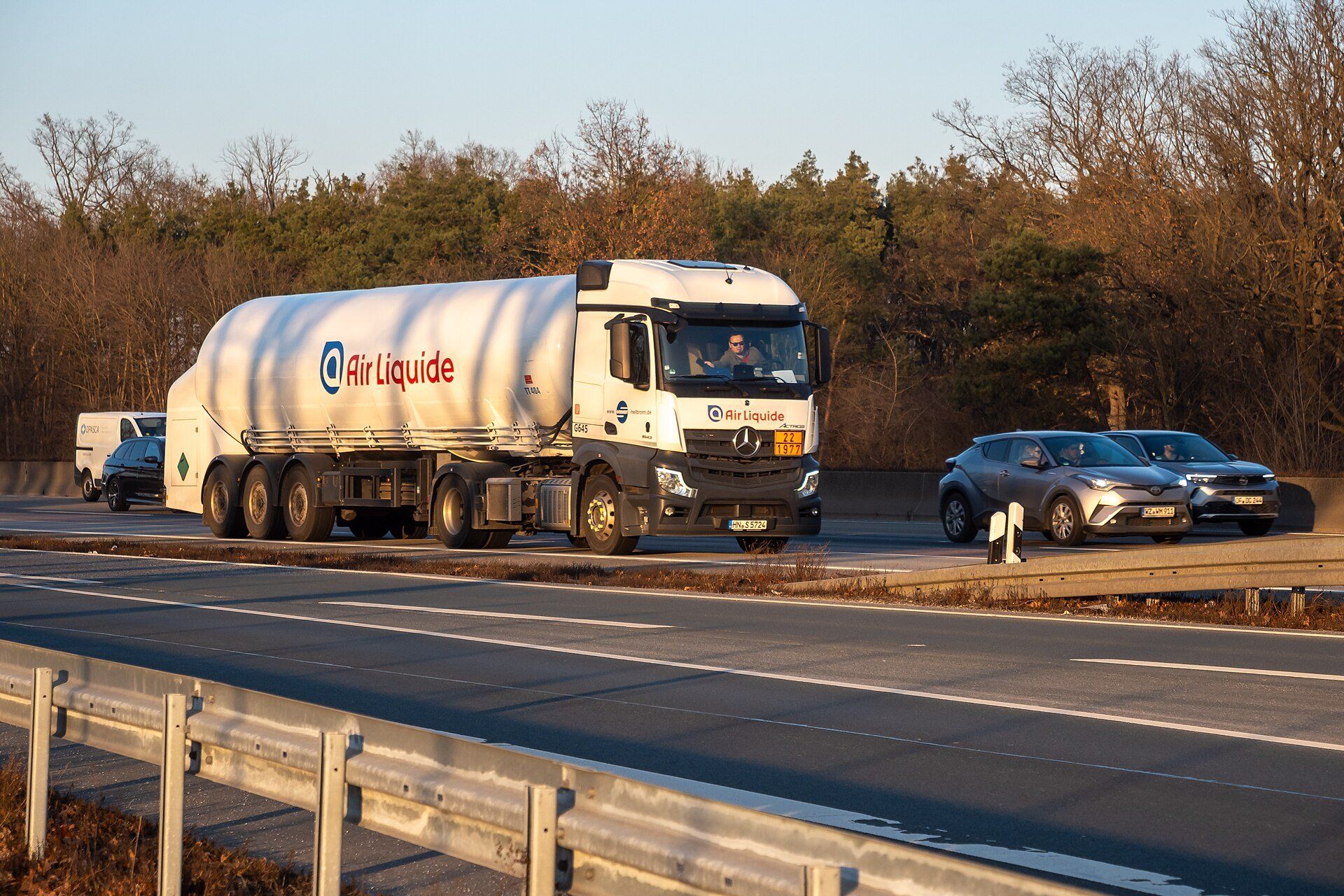
The carbon footprint of road freight: ISO 14083 and Regulation (EU) 2026/1030
How EU law now defines the greenhouse gas figure of a transport service: EN ISO 14083:2023 as the method, primary and secondary data, CO2e per tonne-kilometre, and the 2030 start.
Segments
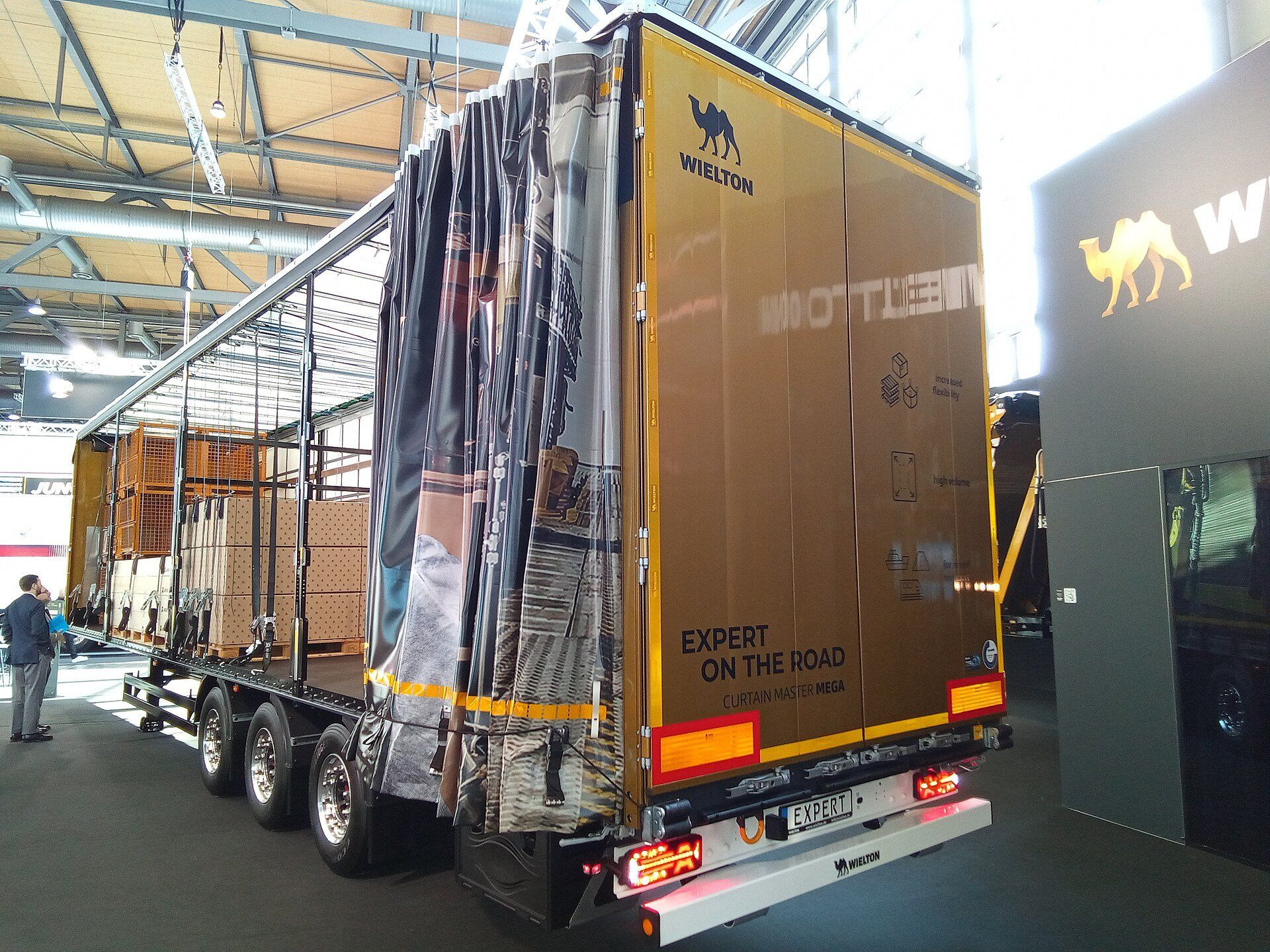
How many pallets fit in a trailer: Euro pallets, 48 x 40s and the arithmetic
Euro pallets on a European semi-trailer with a 13,620 mm floor and 48 x 40 inch pallets in a 53-foot US dry van: the footprints, the makers' load-space figures, what fits.

Model library
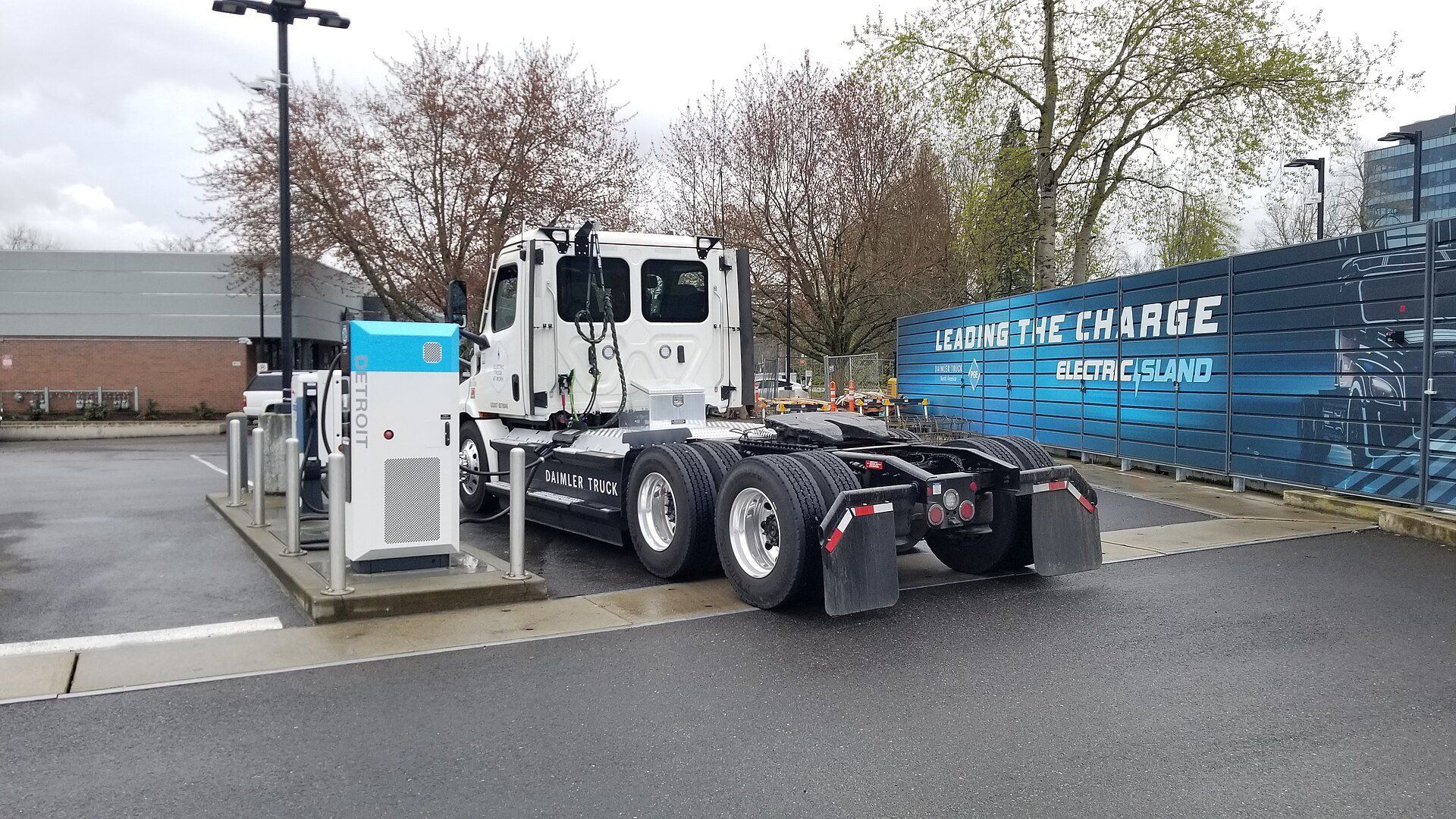
The fifth-generation Cascadia as Freightliner specifies it: Detroit DD13 and DD15 in Gen 5 and Gen 6 form, the Cummins X15N, two cab lengths, 12-speed automated gearboxes and ABA6.
Industry
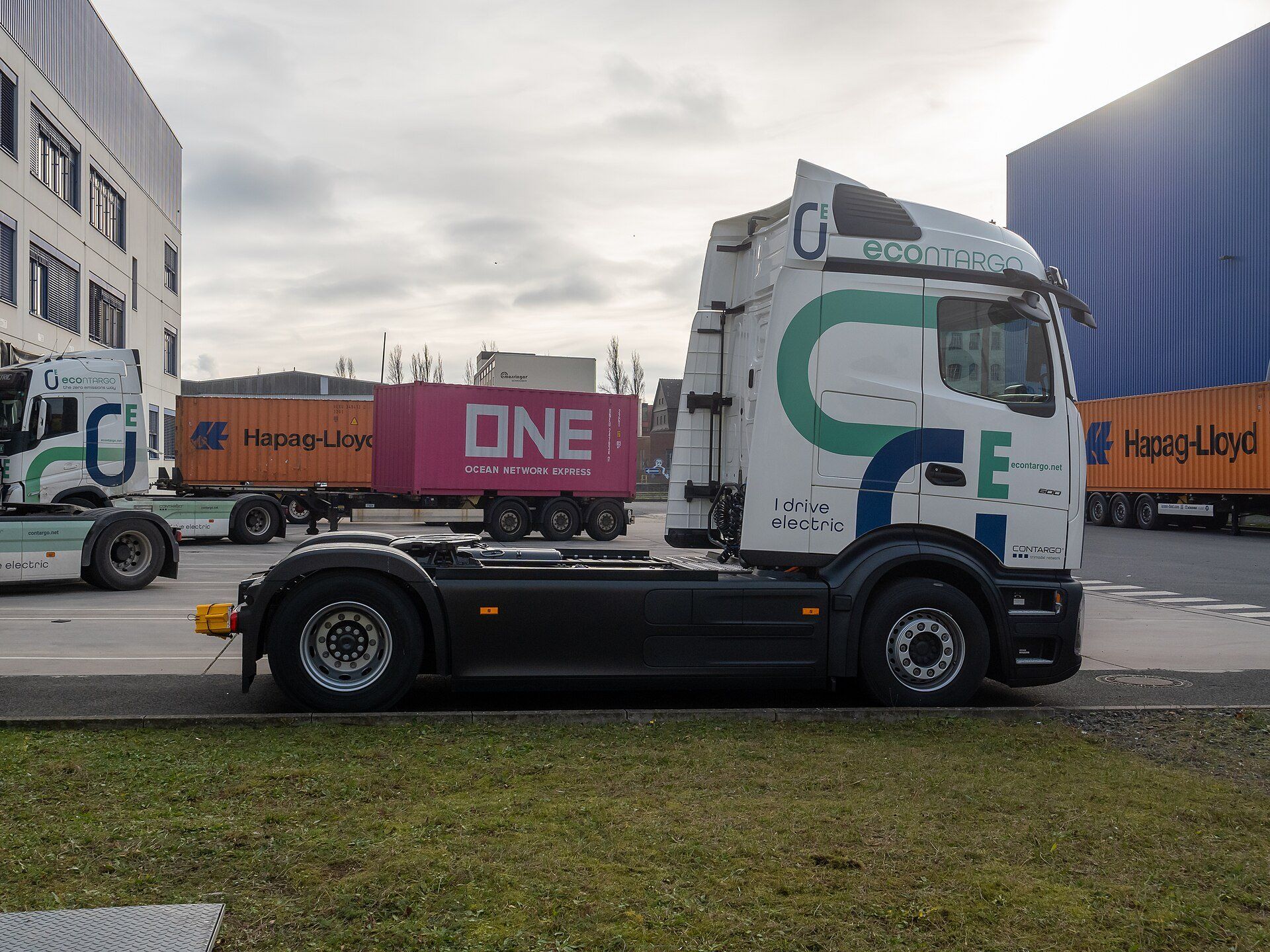
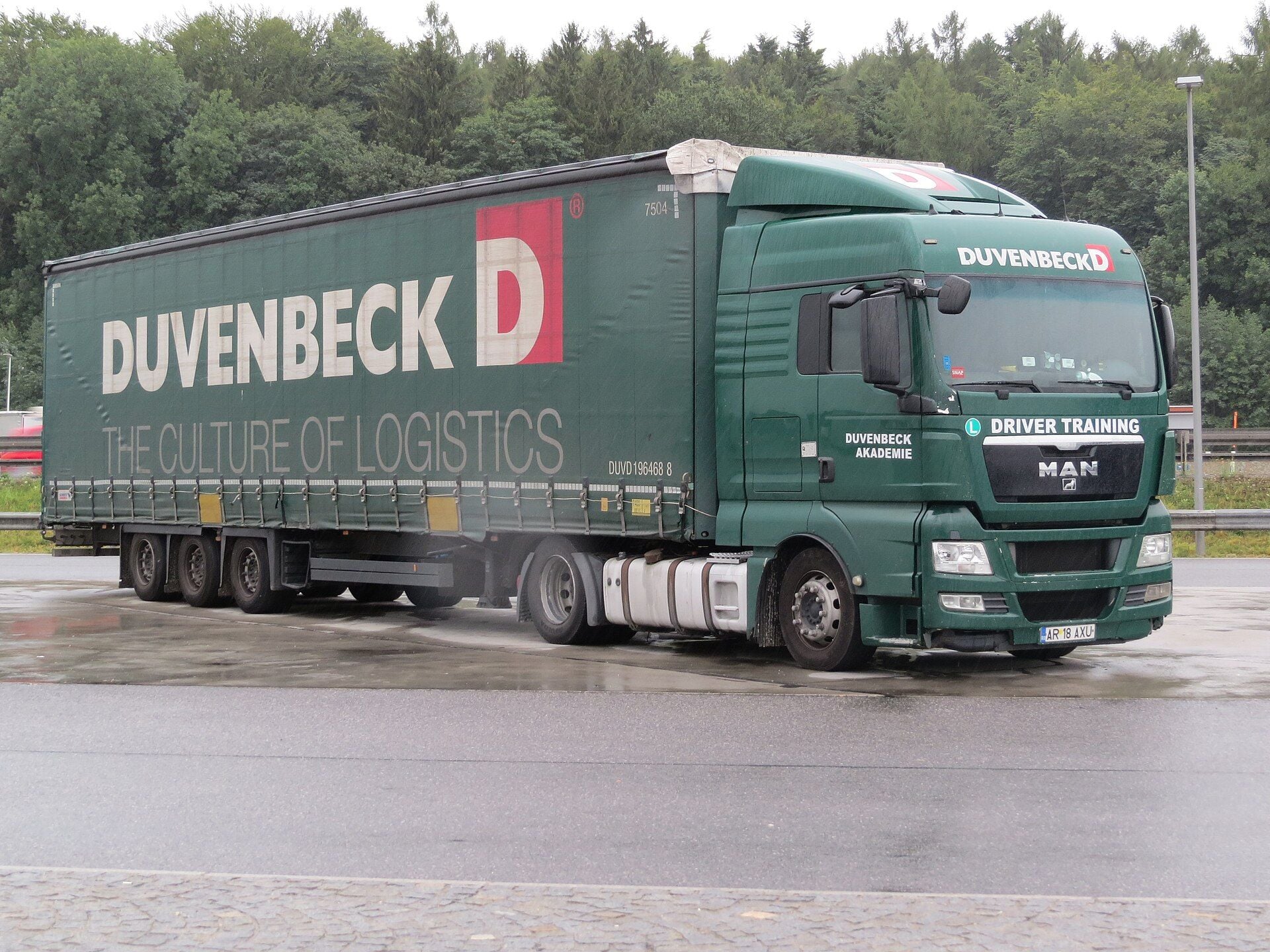
Electric trucks and tractor units explained: how they work, what makers declare, where they charge
How battery-electric trucks are built, what installed and usable kWh and range footnotes mean, where they charge, and the EU market figures and rules behind them.
Operating
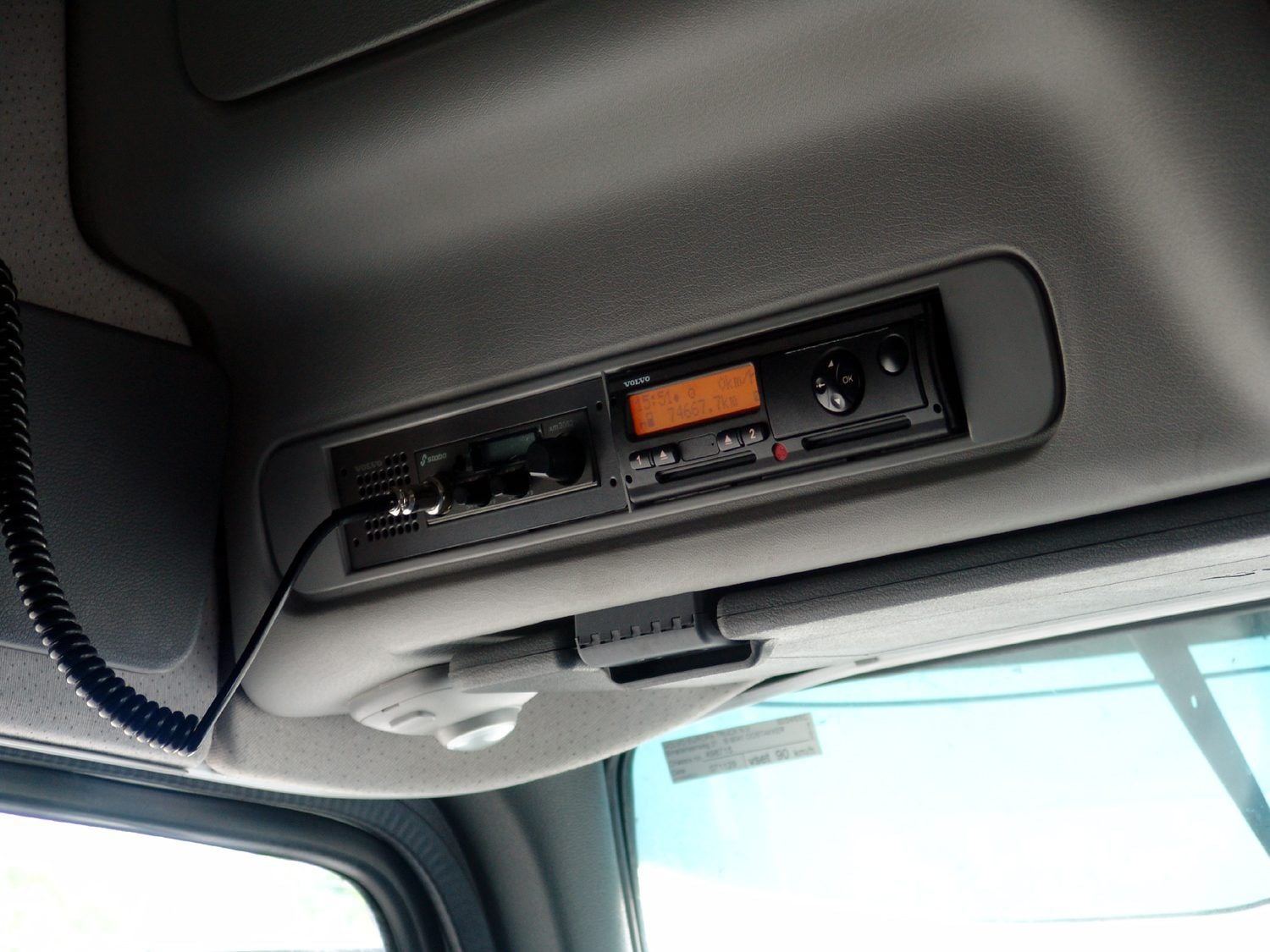
Truck driving licences: C1, C1E, C and CE, and minimum ages
Category CE is a C truck with a trailer over 750 kg; C1 ends at 7,500 kg. C and CE need 21, or 18 with a CPC, and a new directive takes over in 2029.
Not the manufacturer’s brochureTrucks · Buses · TrailersSources listed on every model and article page
The newest pages, most recent first.
Technical reference
Dated obligations and published statistics, each traced to the document it came from.
−90%
CO₂ target for 2040
Average CO₂ of a maker’s new heavy trucks, against its 2019 baseline. An interim −45% applies from 2030.
Regulation (EU) 2024/1610, EUR-Lex · checked 2026-09-04
Read4.2%
Electric, of new trucks
Share of EU registrations above 3.5 t in 2025, up from 2.3% the year before. This is the distance to the target above.
ACEA, new commercial vehicle registrations 2025 · checked 2026-09-04
Read14 yrs
Average age, EU truck fleet
Trucks are the oldest fleet on European roads — 6.2 million of them. Most vehicles bought this decade will be second-hand.
ACEA, Vehicles on European roads 2026 · checked 2026-09-04
Read29 May 2029
Euro 7 becomes mandatory
No new truck, bus or heavy trailer may be registered or sold without it, except buses the Regulation ties to a 100% zero-emission target from 2030, allowed as Euro VI until 31 December 2029; for small-volume makers’ trucks and buses the date is 1 July 2031. New type approvals close a year earlier, on 29 May 2028.
Regulation (EU) 2024/1257, EUR-Lex · checked 2026-09-28
Read60 km
Between charging pools by 2030
Maximum spacing in each direction on the TEN-T core road network, each pool offering at least 3 600 kW.
Regulation (EU) 2023/1804 (AFIR), EUR-Lex · checked 2026-09-04
Read502 000
Driver positions unfilled
Across 18 European markets, a 13% shortfall. Around 4% of Europe’s truck drivers are women.
IRU driver shortage report 2025 · checked 2026-09-04
Diesel is not being replaced by one thing. Battery, hydrogen, gas and the grid behind them each work under different constraints, and the constraint usually decides.
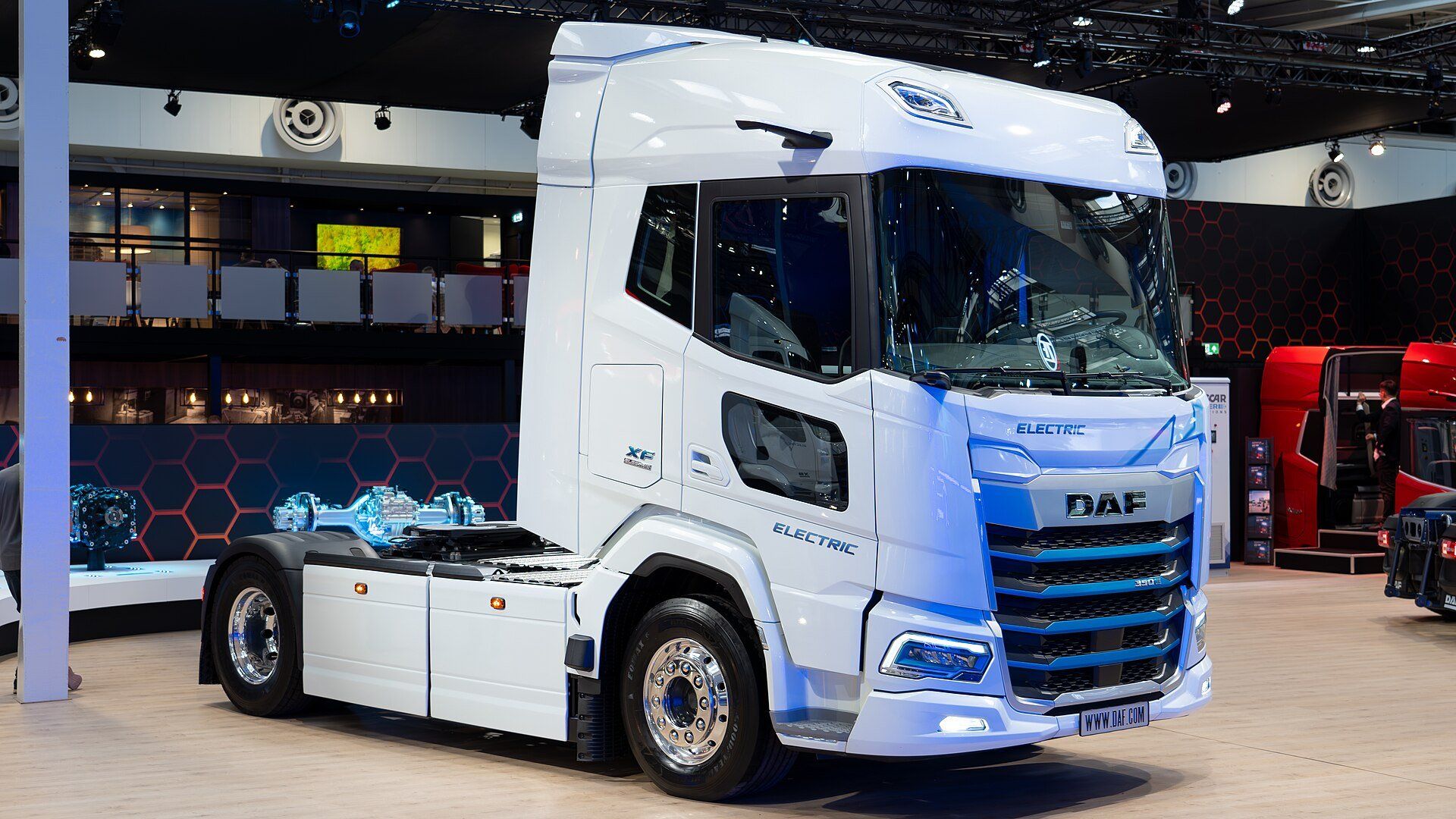
Range, battery capacity and charging power are each declared on a basis of their own, and the rules for charging along the roads have their own dates. These pages set out what each figure measures and where it comes from.
Emission classes and weight limits are not paperwork around the vehicle — they decide what may be built, what it may carry and where it may go.
Who may drive what, for how many hours, and which card or certificate proves it — as EU and national rules write it.
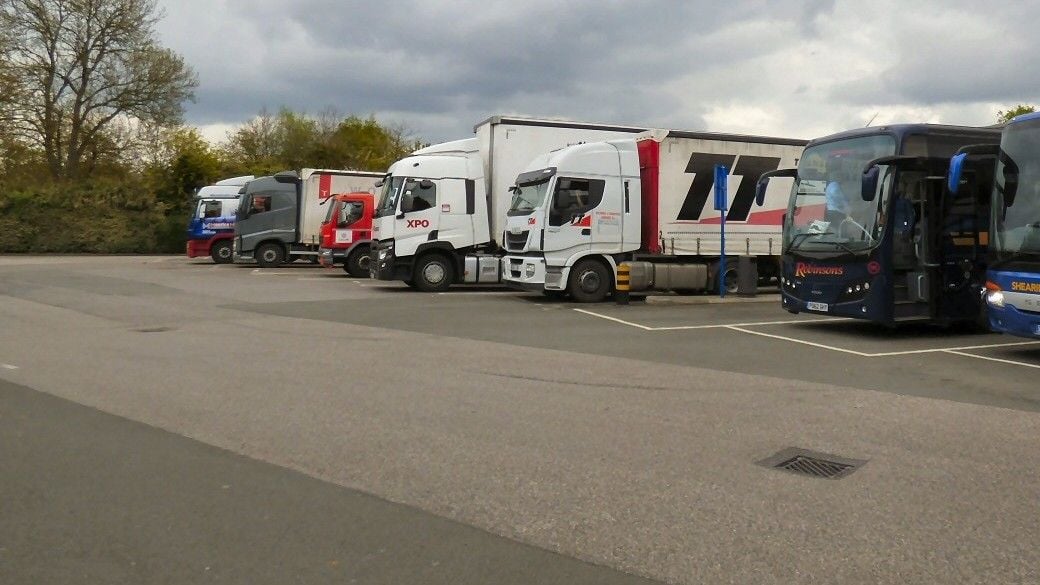
What an operator needs to carry goods for hire, the rules for work in another country, the documents that travel with the load, and what the roads charge.
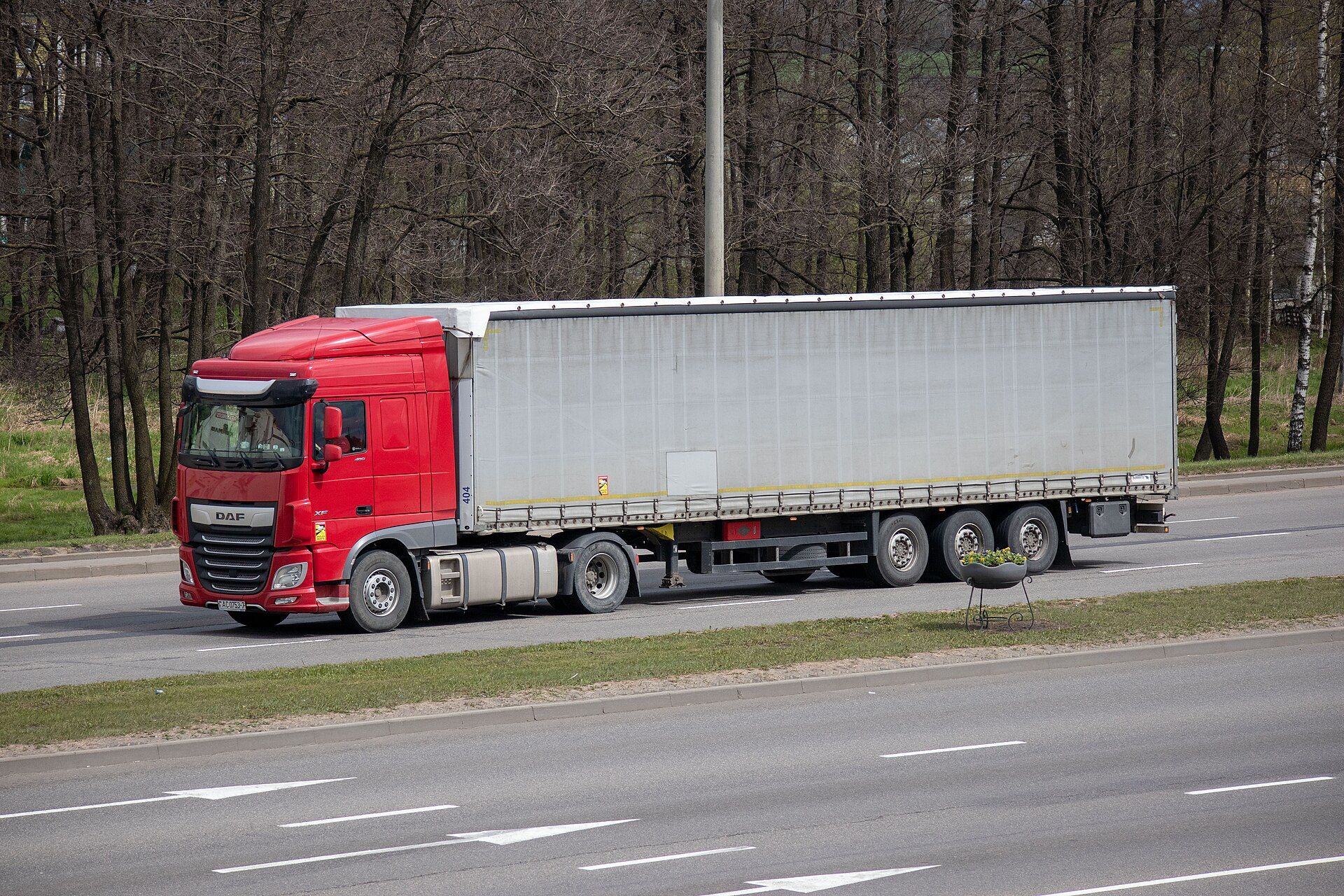
What each trailer body is for, how tractor and trailer fit together, the dimensions they must keep, and the rules for loads that need more than a tarpaulin.
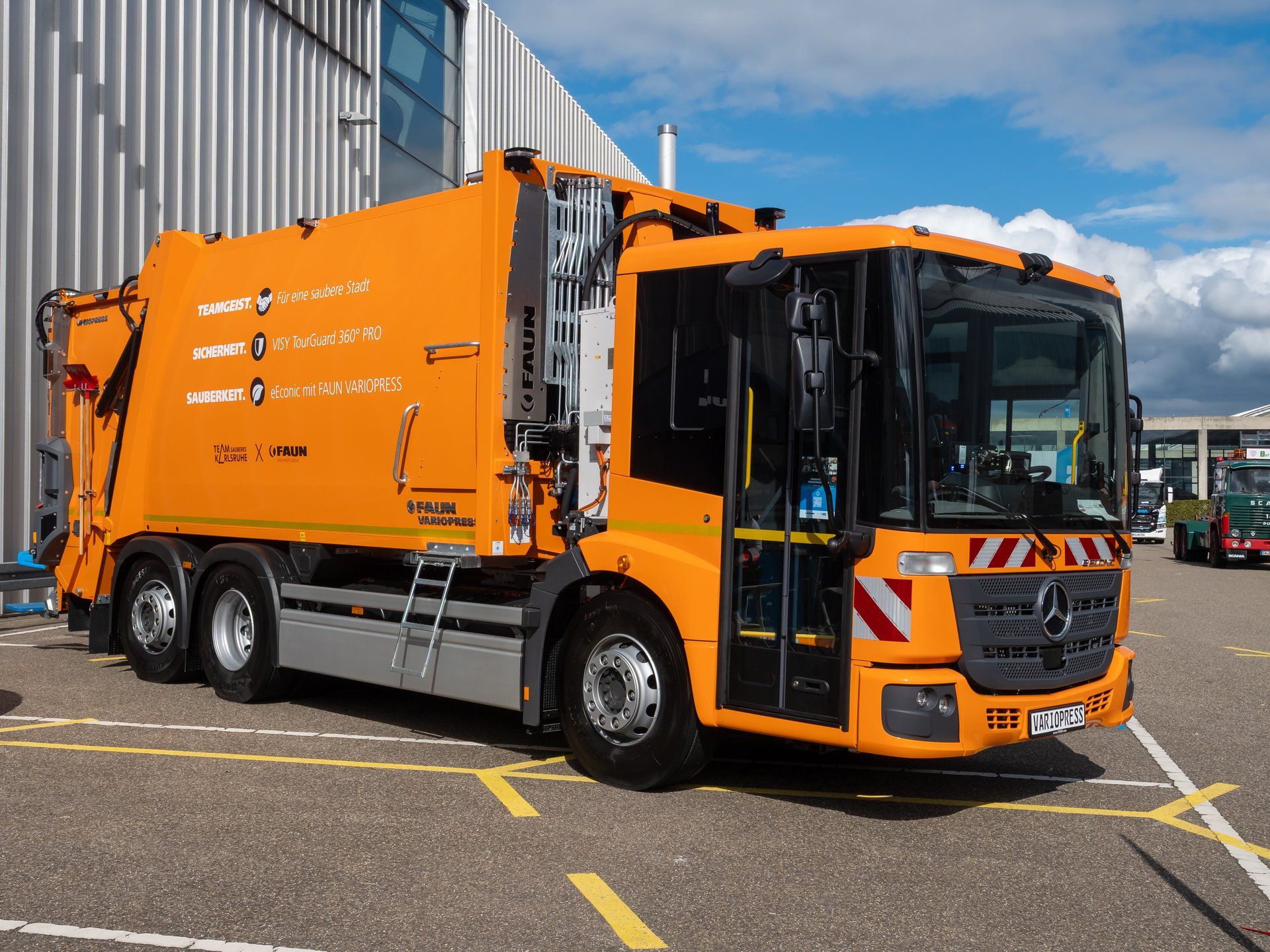
A refuse truck, a mixer or a fire engine is a chassis and a body, usually from two different makers, and its own standard. These pages set out what the standards cover and what chassis makers and body builders publish.
What the sidewall and the EU label say, and the national rules on winter tyres, chains, tread depth and tyre age for heavy vehicles.
Axles, gearbox, engine, cab. What the specification sheet is actually describing, and which choices you live with for the vehicle’s whole life.
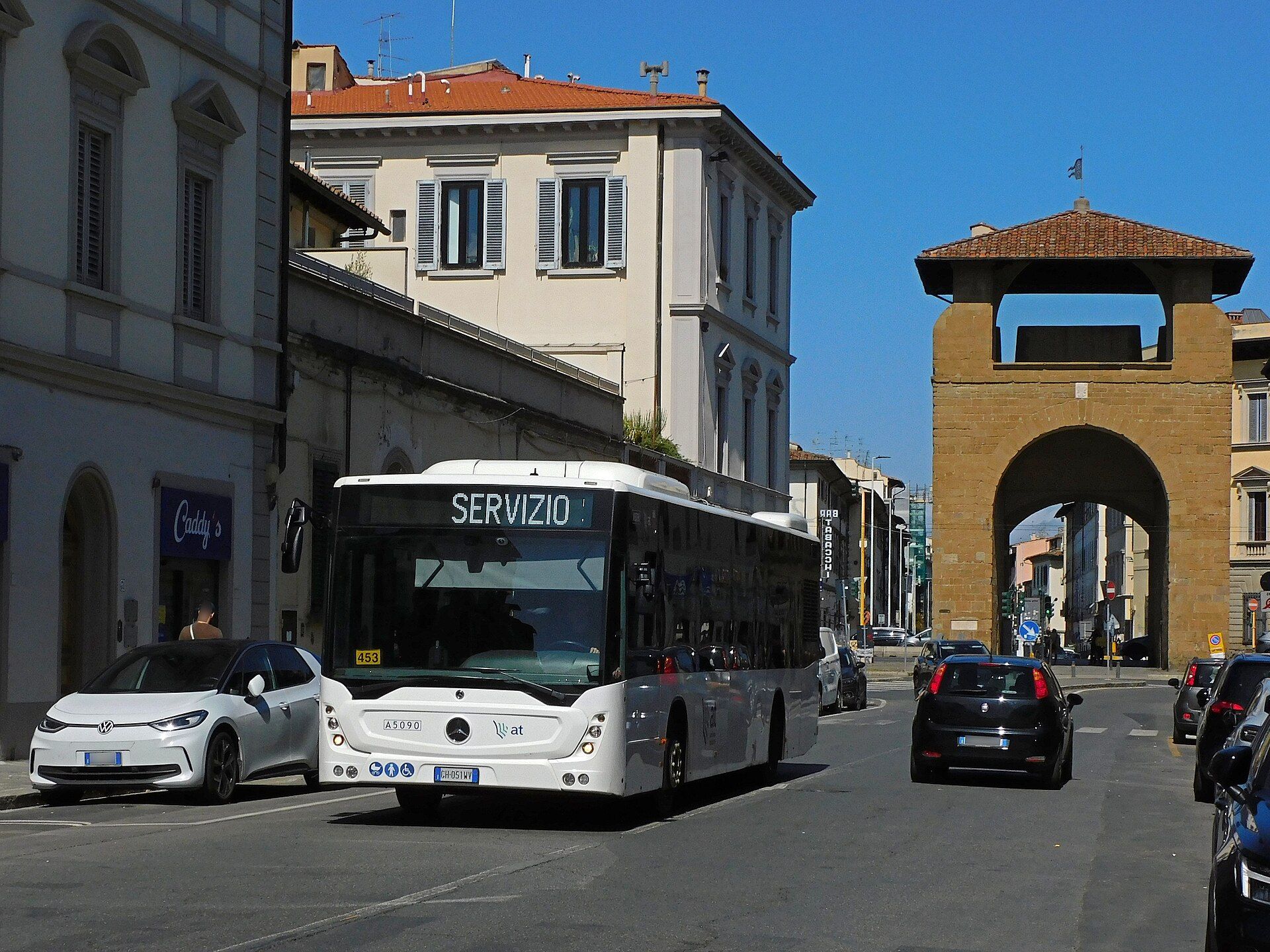
A city bus and a touring coach share a category and almost nothing else — different classes, different rules, different money.
Doors and exits, seat belts, fire, rollover strength and access for passengers with reduced mobility — what the UN regulations require of the vehicle, and what passengers are owed.
What a truck costs to run and what it is worth later, who builds and registers them, and the rules around parts and repair.
Start here
Technical data, variants and earlier generations — one page per model.
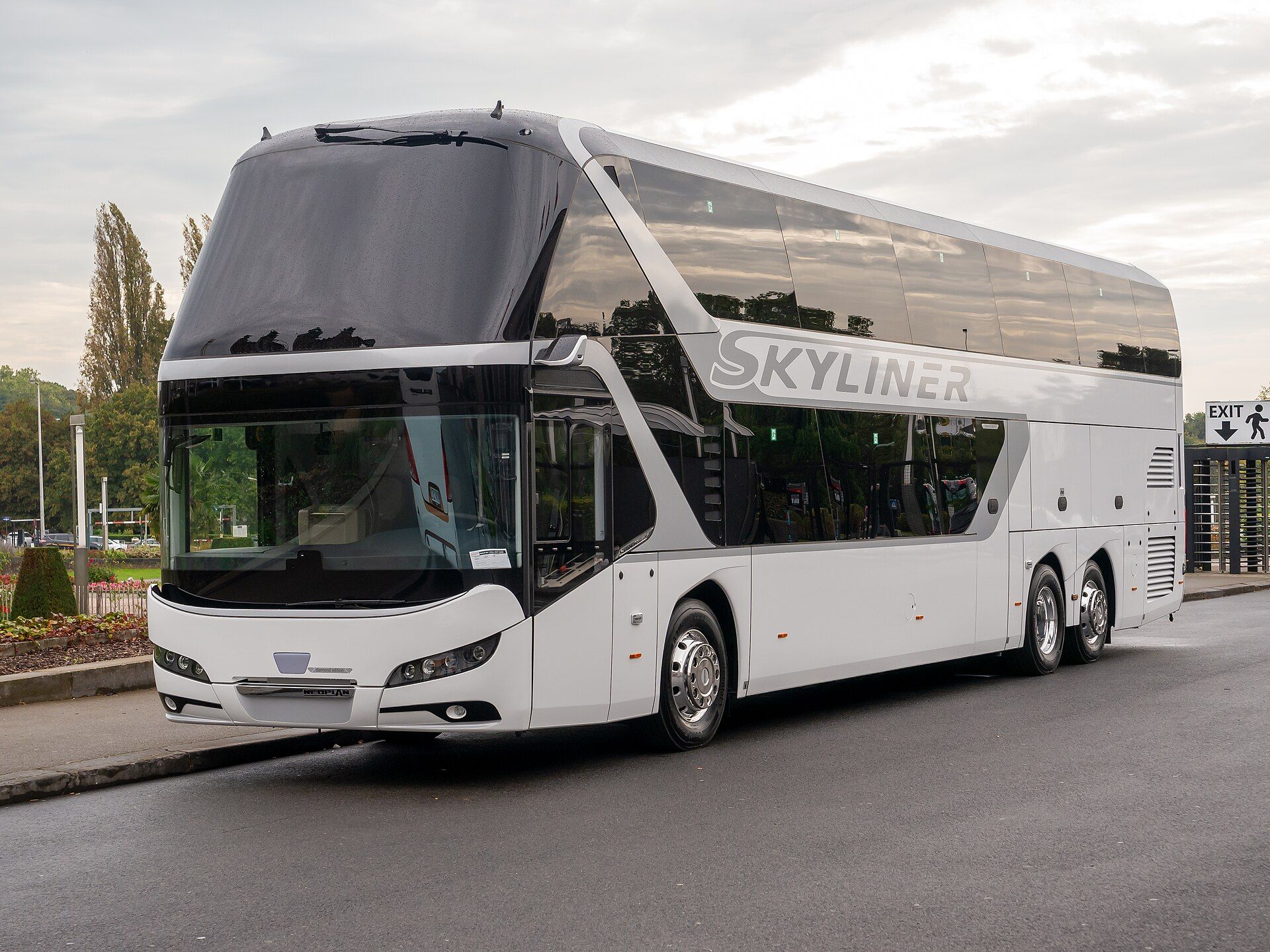
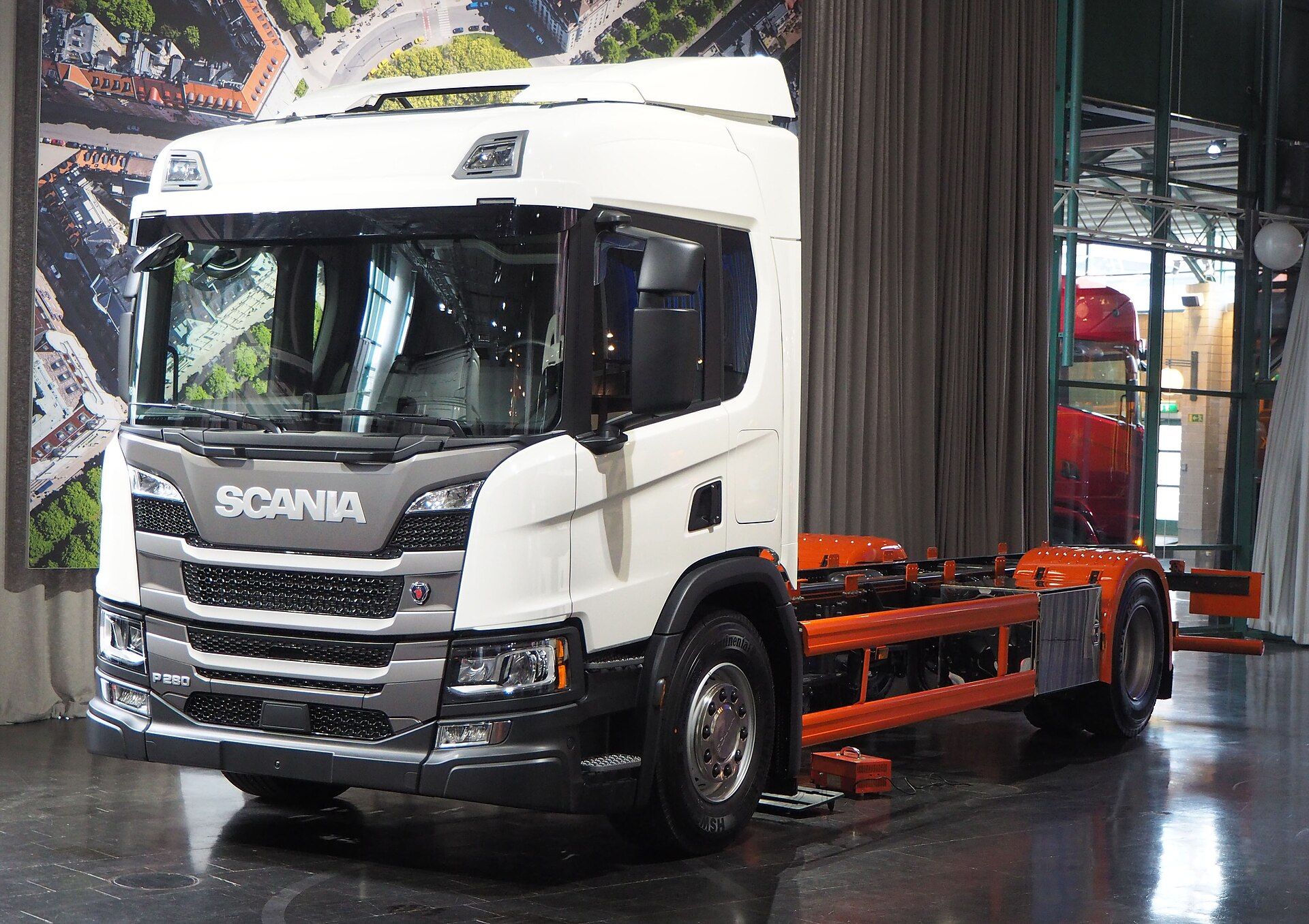
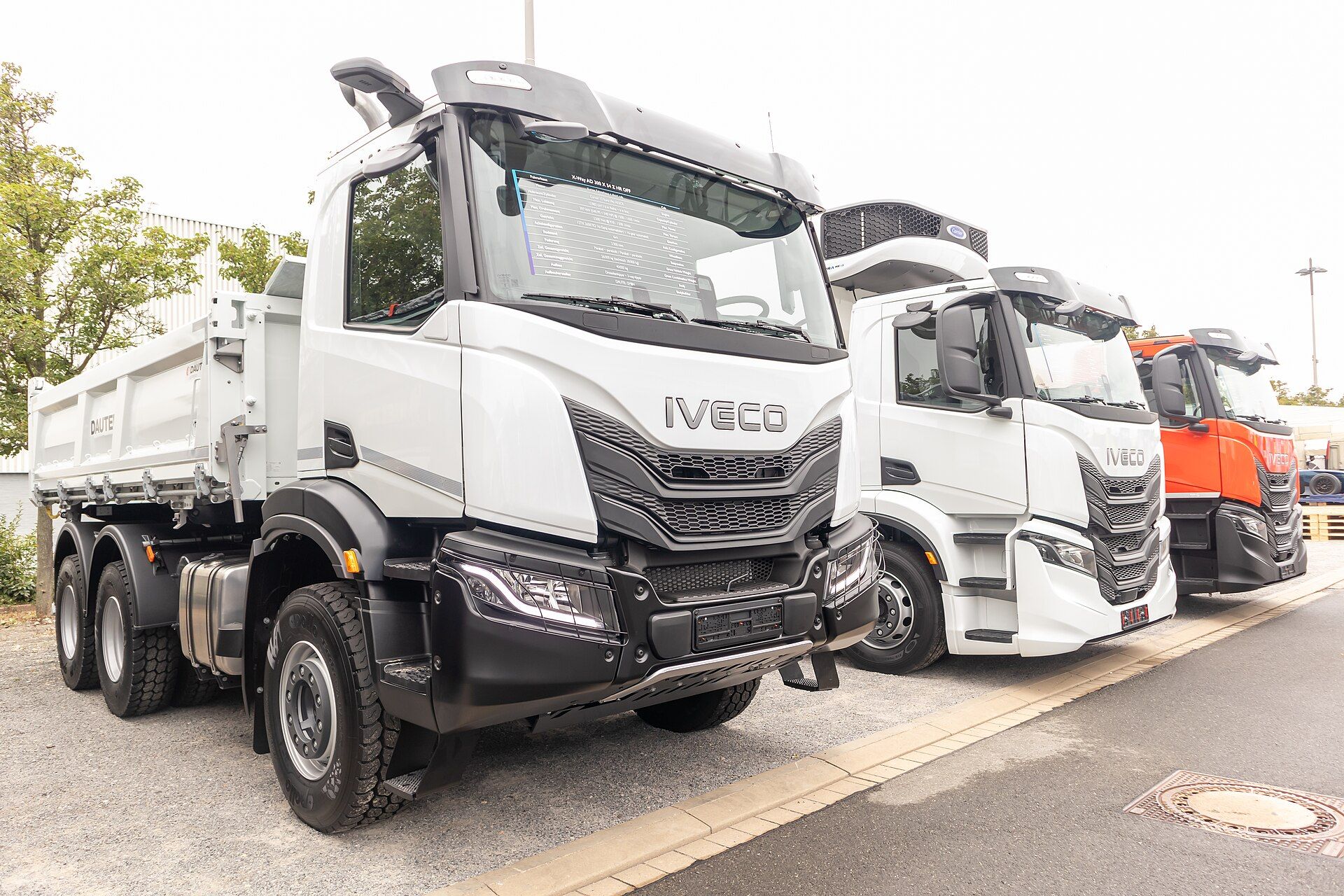
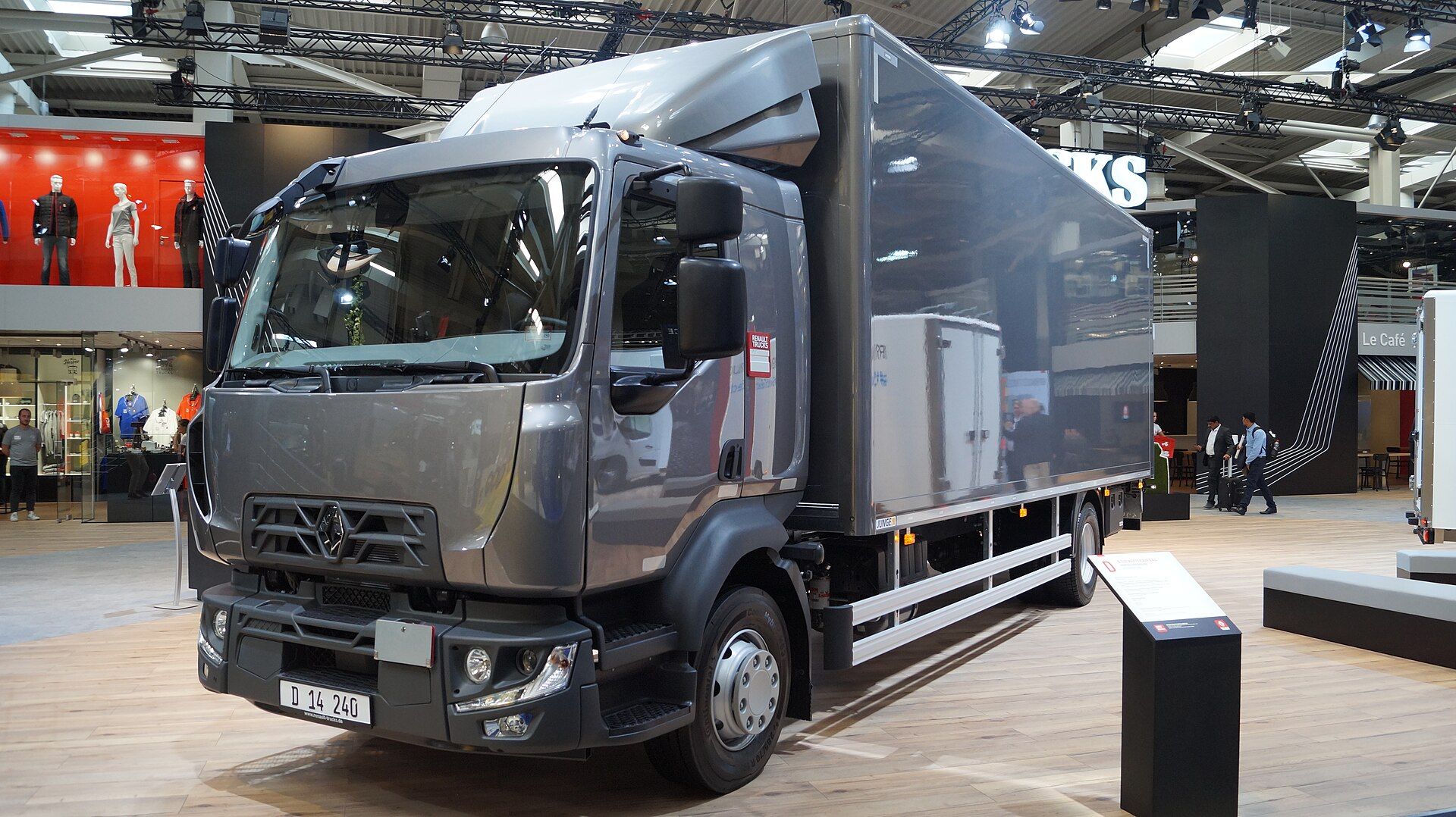
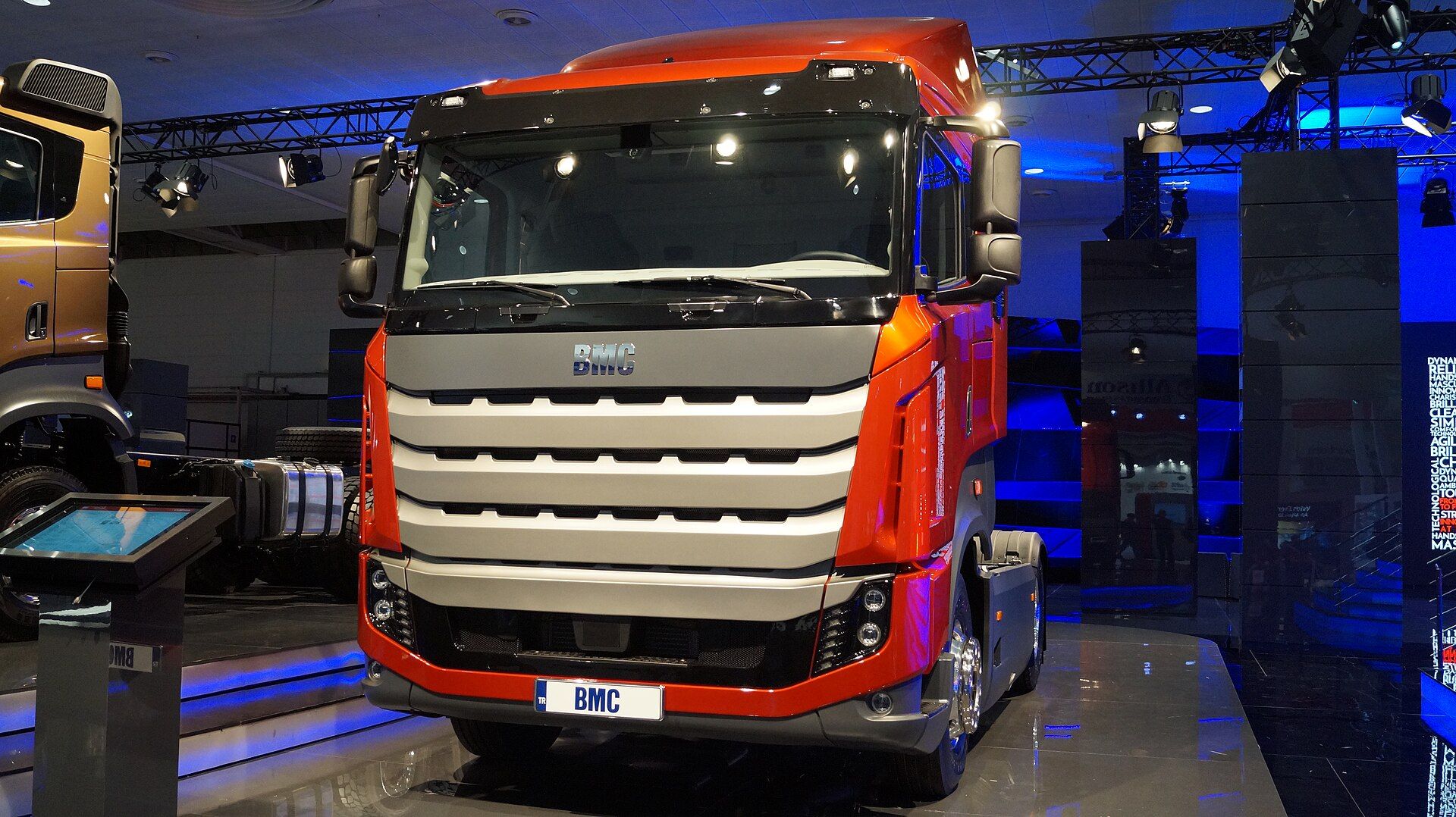
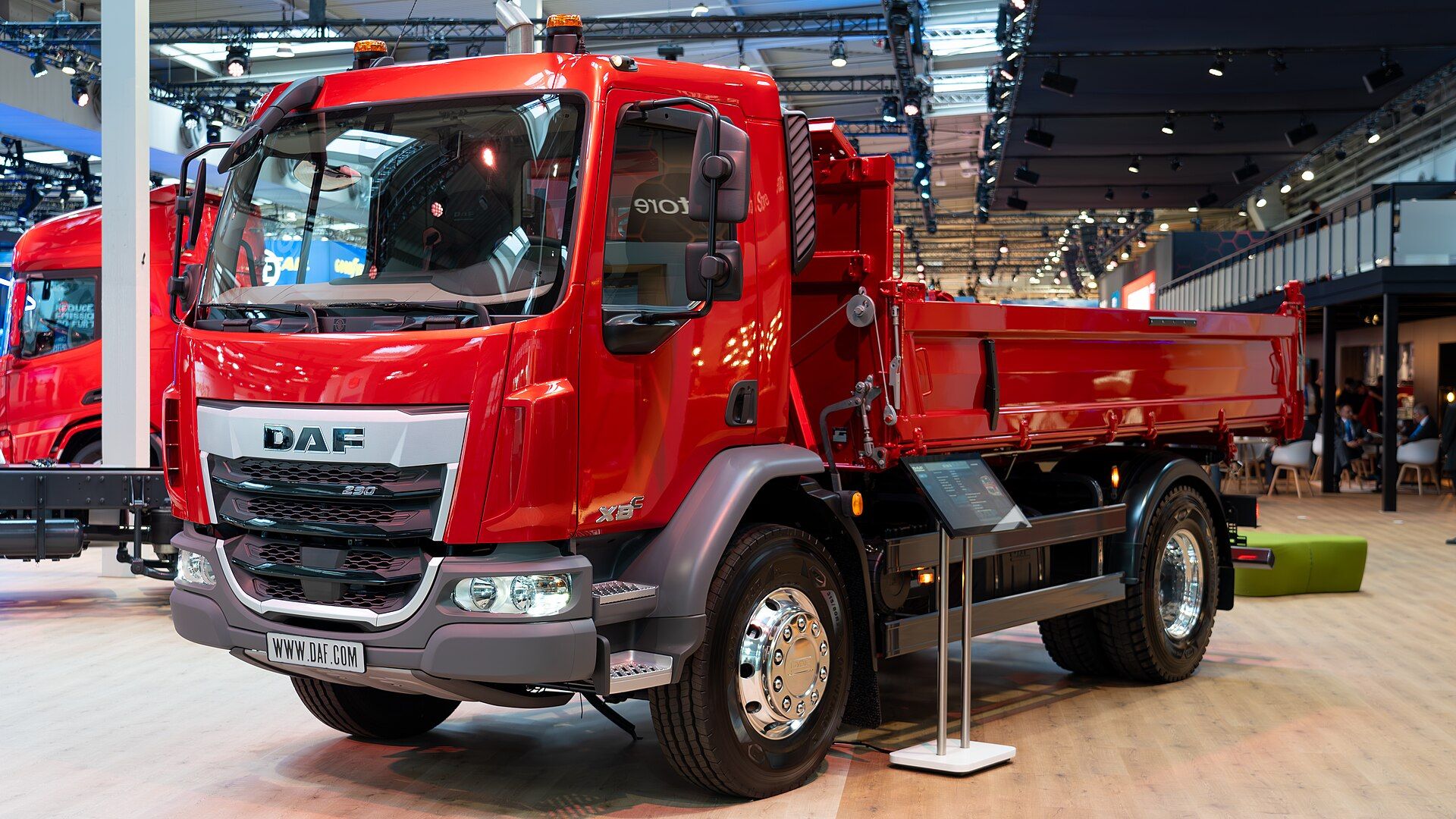
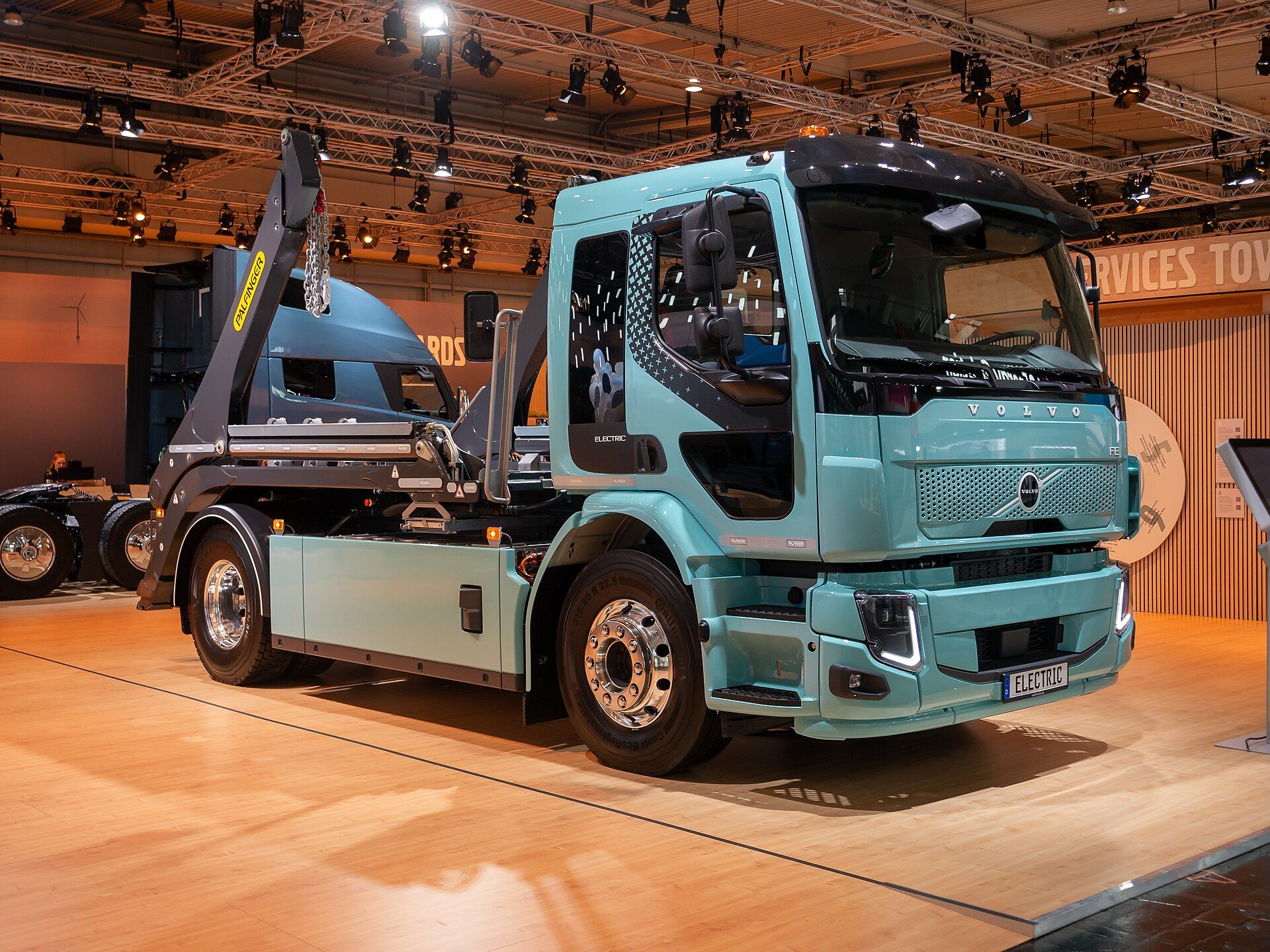
120 articles · 77 model pages · 1766 sources