Range, batteries and charging
Range, battery capacity and charging power are each declared on a basis of their own, and the rules for charging along the roads have their own dates. These pages set out what each figure measures and where it comes from.
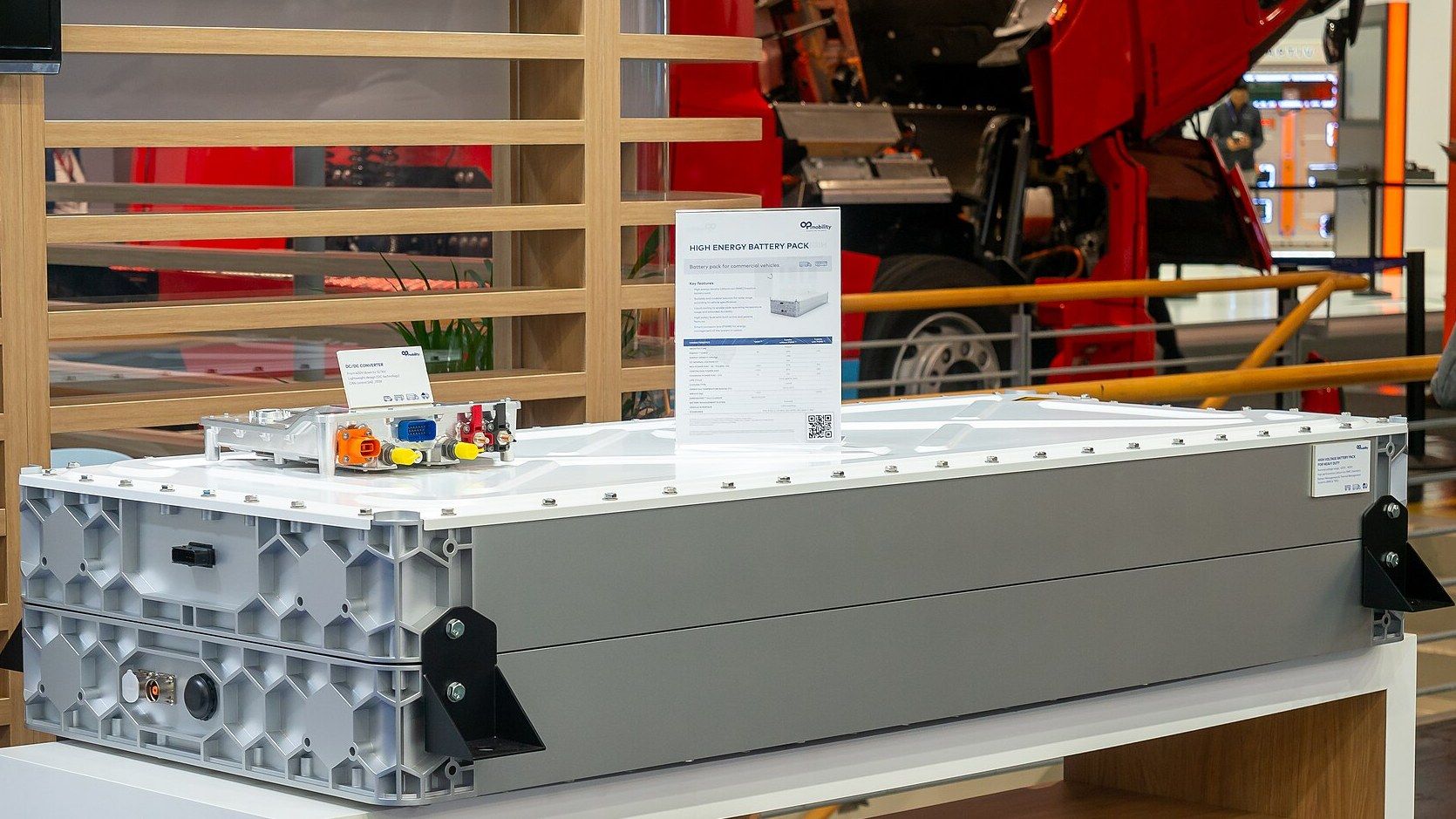
The EU Battery Regulation for trucks and buses: which batteries, which duties, which datesWhich truck, bus and trailer batteries Regulation (EU) 2023/1542 covers, what applies now, what starts on 18 February 2027 and what still waits for Commission acts.
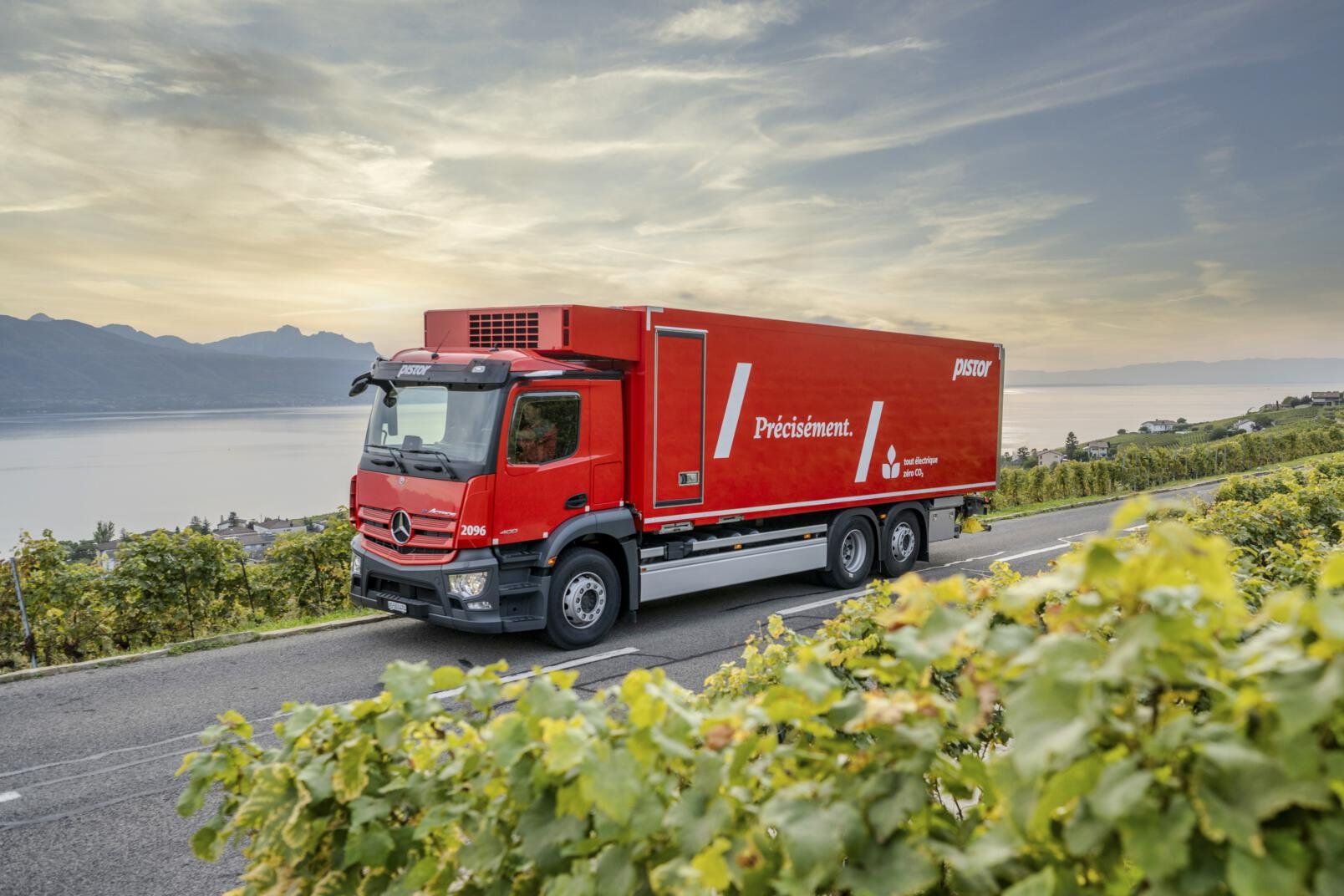
Running electric trucks and buses: maintenance, warranty, training, drivingWhat makers' service lists, battery warranty terms, high-voltage qualification rules, recuperation settings and rescue documents say about running electric trucks and buses.
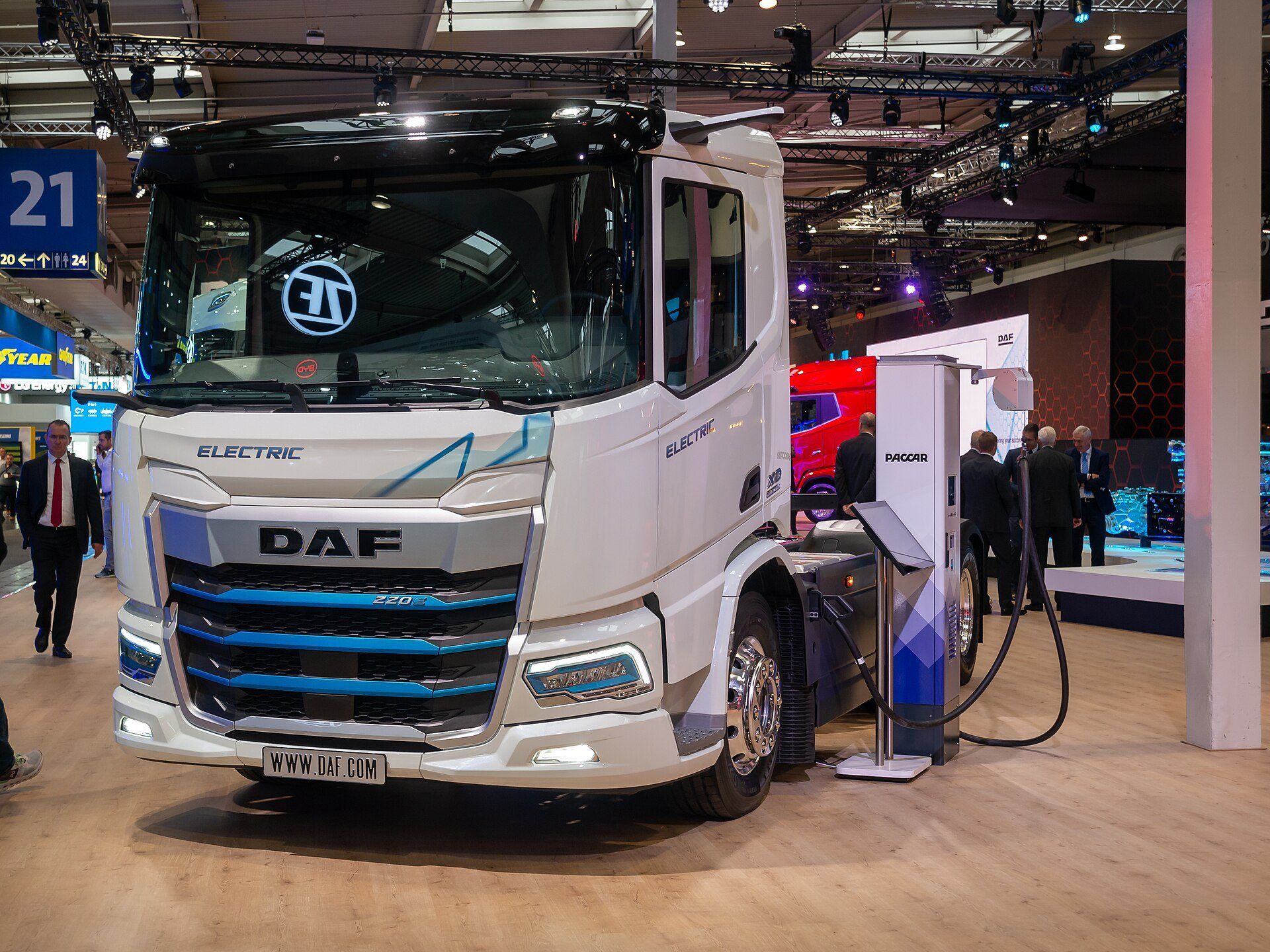
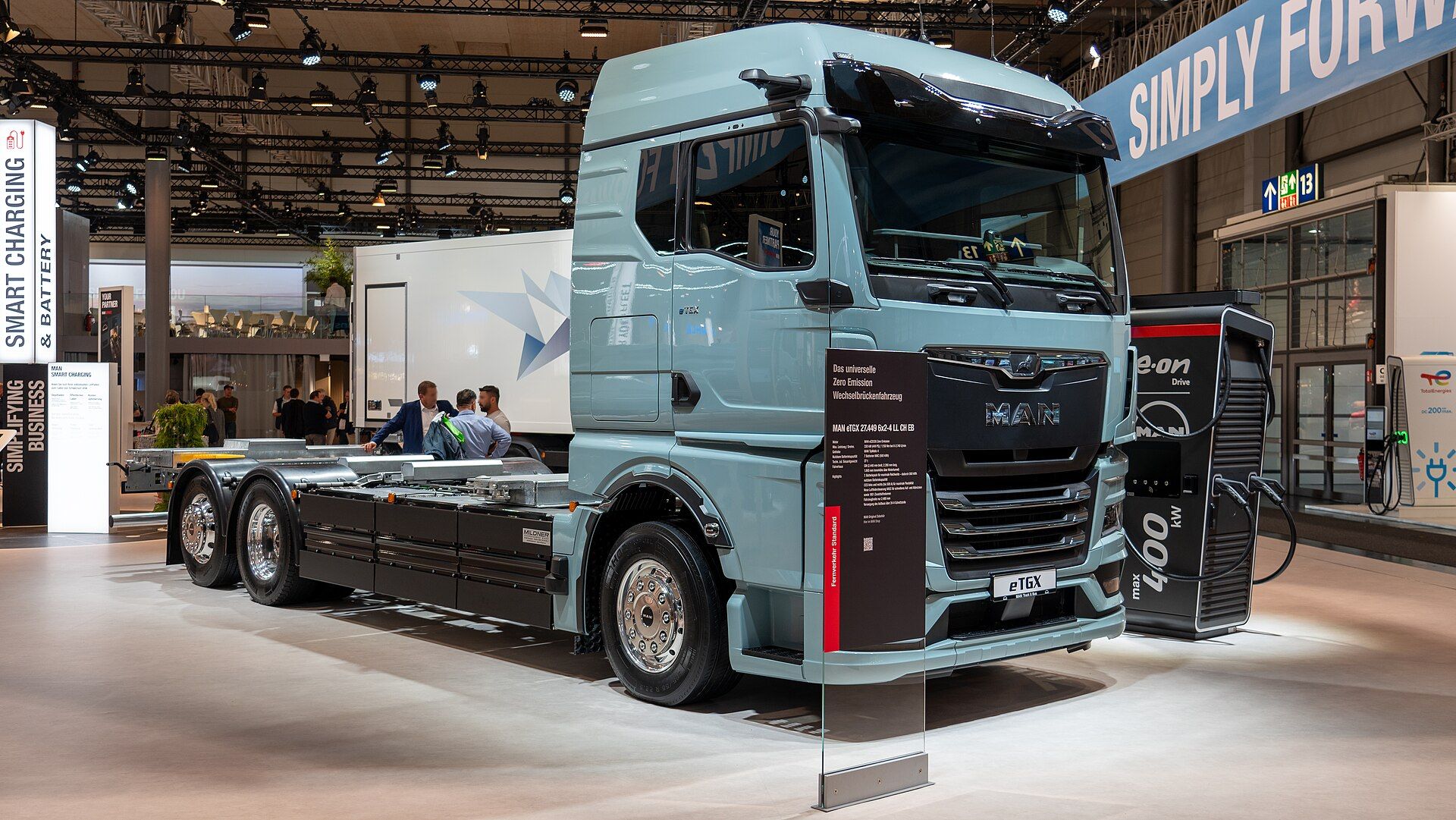
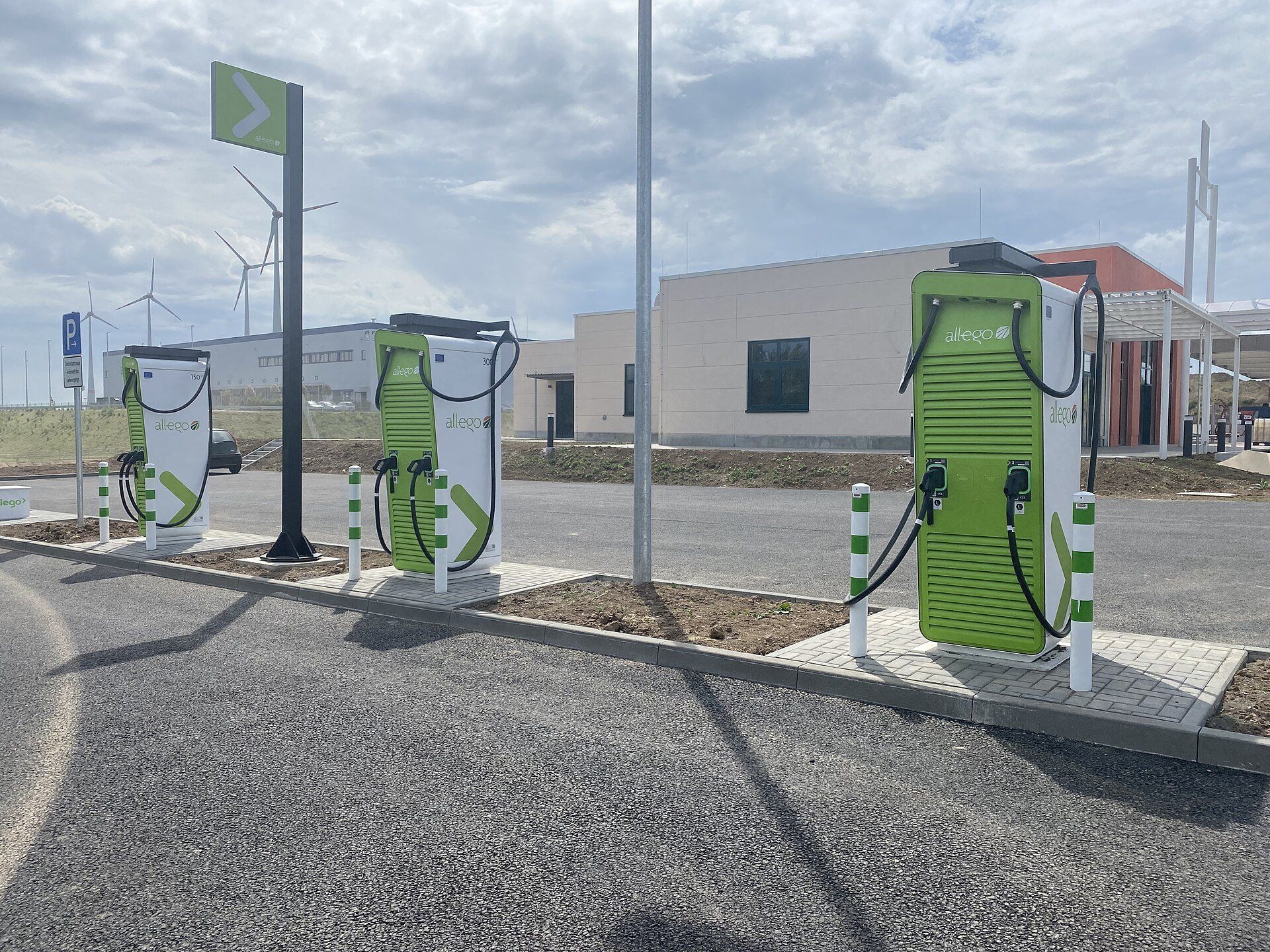
Charging electric trucks and buses: depot, opportunity and megawatt chargingHow electric trucks and buses charge at the depot, by opportunity charging and in the driver's break: power classes, connectors, AFIR targets, public networks and grid lead times.
How electric-truck range is declared (and why the figures cannot be compared)Internal tests, the EU's VECTO output file, WLTP, 'up to', 'typical' and ranges by weight: the bases on which makers state electric-truck range, each with its stated conditions.
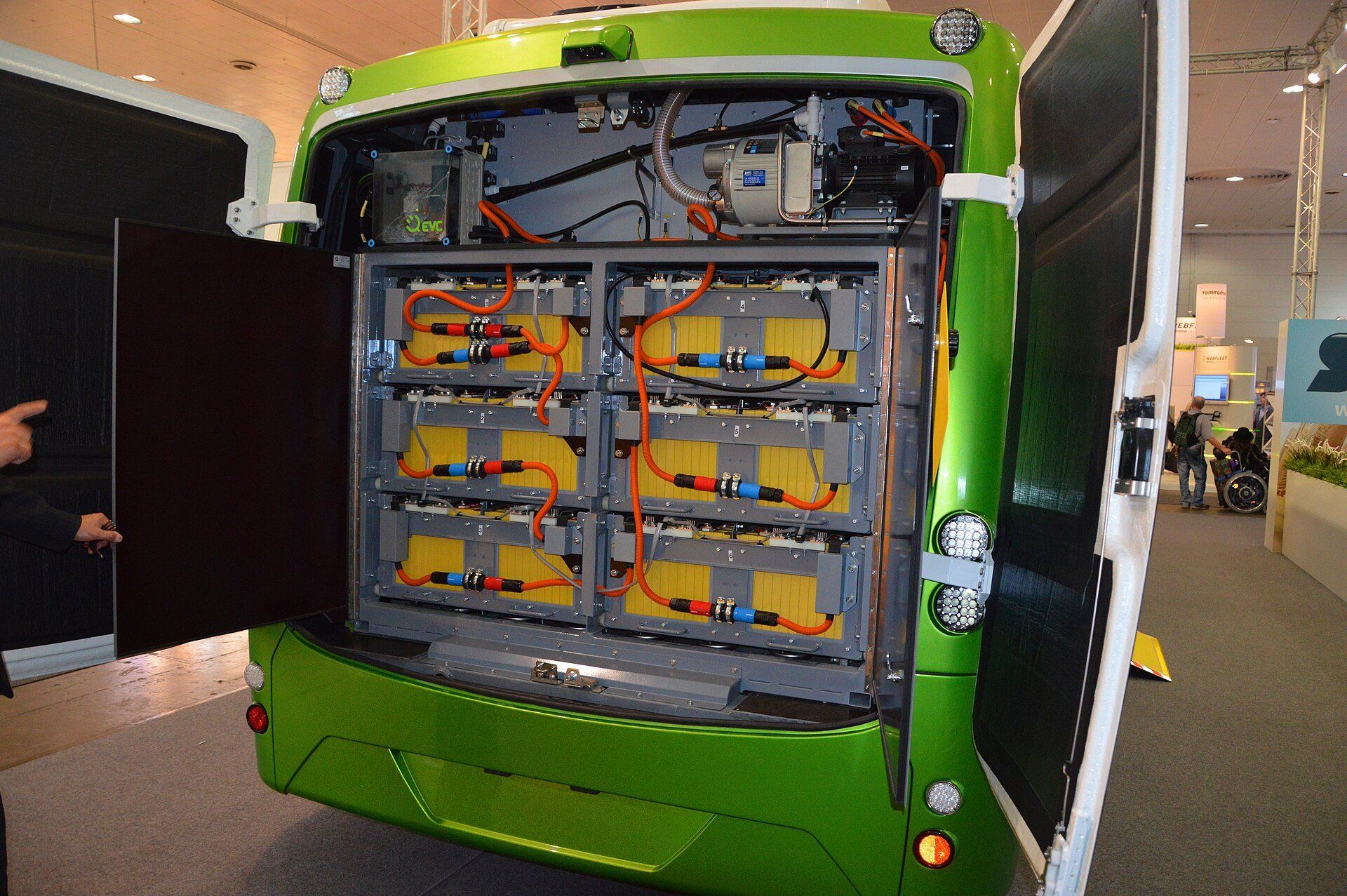
Installed vs usable battery capacity in electric trucksWhy electric-truck data sheets print two kWh figures, what each maker calls them, which makers publish one, the other or both, and how depth of discharge links them.
How electric truck and bus battery warranties are definedMonths, kilometres, charging cycles, energy use and a state-of-health threshold: how Mercedes-Benz, Renault Trucks, DAF, IVECO and Daimler Buses state battery cover, and what MAN forecasts.
Battery chemistries in heavy trucks: what LFP, NMC and NCA are and which makers state whichWhat LFP, NMC and NCA stand for, and which chemistry BYD, DAF, Ford Trucks, IVECO, MAN, Mercedes-Benz Trucks and Renault Trucks state in their own documents, with each date.
Depot charging for electric trucks: power, grid connection and lead timesWhat charging power a truck depot uses, what a grid connection involves and how long extending one takes in Germany, from NOW's depot guides, Scania and the AFIR text.
Megawatt Charging System (MCS) for electric trucks explainedMCS is CharIN's heavy-duty charging system, up to 1,250 V and 3,000 A. Volvo rates its truck at 700 kW, MAN at up to 750 kW; AFIR does not require it.
AFIR truck-charging targets, article by articleWhat Regulation (EU) 2023/1804 requires for heavy-duty charging: TEN-T pools, safe and secure parking areas, urban nodes, the derogations, the 350 kW rule and the 2026 review.
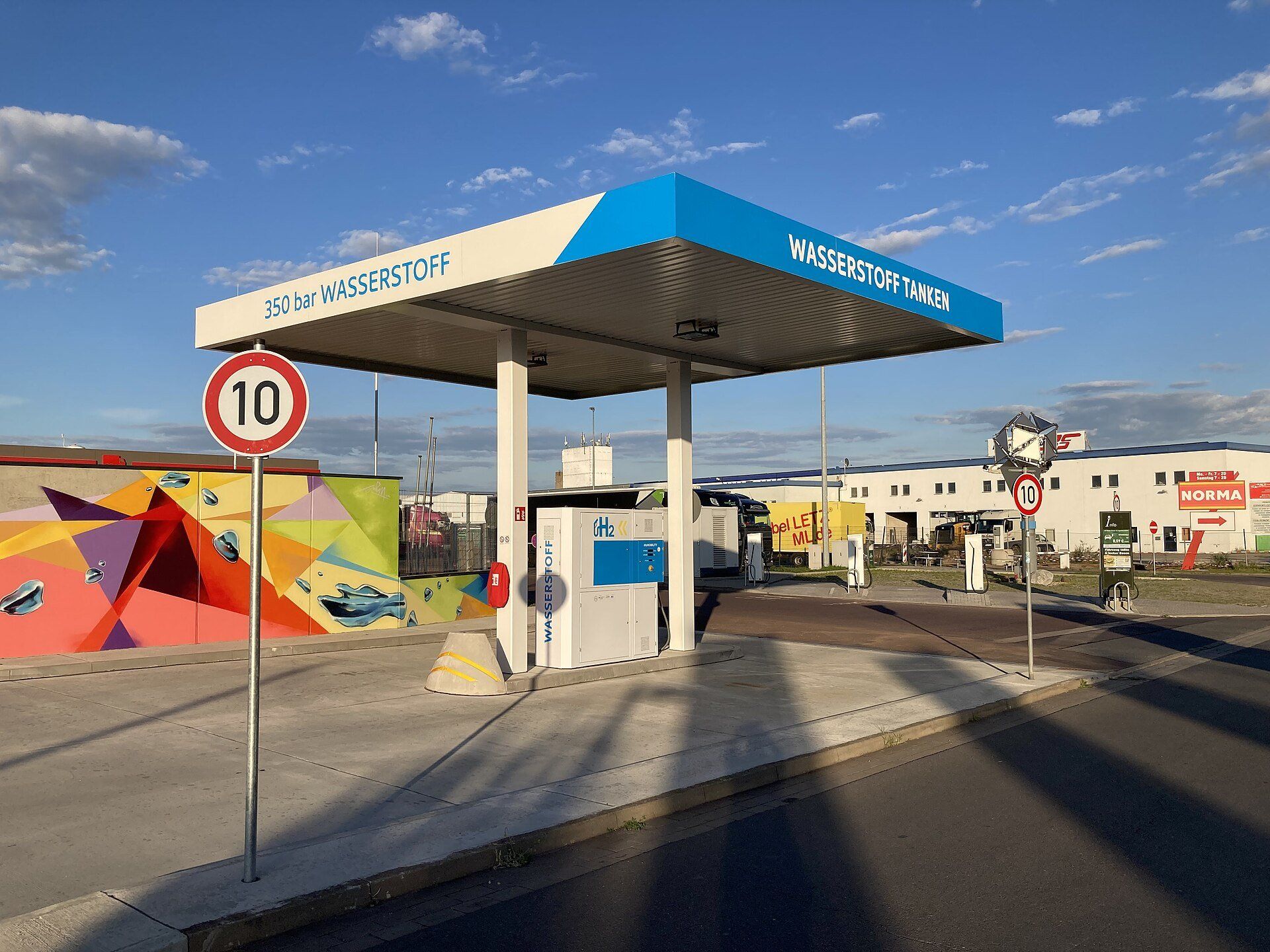
Hydrogen refuelling for trucks in Europe: the AFIR rules and station countsWhat AFIR Article 6 requires of hydrogen stations by 2030: 200 km, 1 tonne per day, 700 bar, core network only. And how the station counts in circulation are defined.
Regenerative braking in trucks and buses: levels, type approval and the annual test in Great BritainHow UN R13 defines regenerative braking, how DAF, Mercedes-Benz, Volvo, MAN and Ford describe its levels, and how DVSA's manuals treat it at the annual test in Great Britain.