How the machine is put together
Axles, gearbox, engine, cab. What the specification sheet is actually describing, and which choices you live with for the vehicle’s whole life.
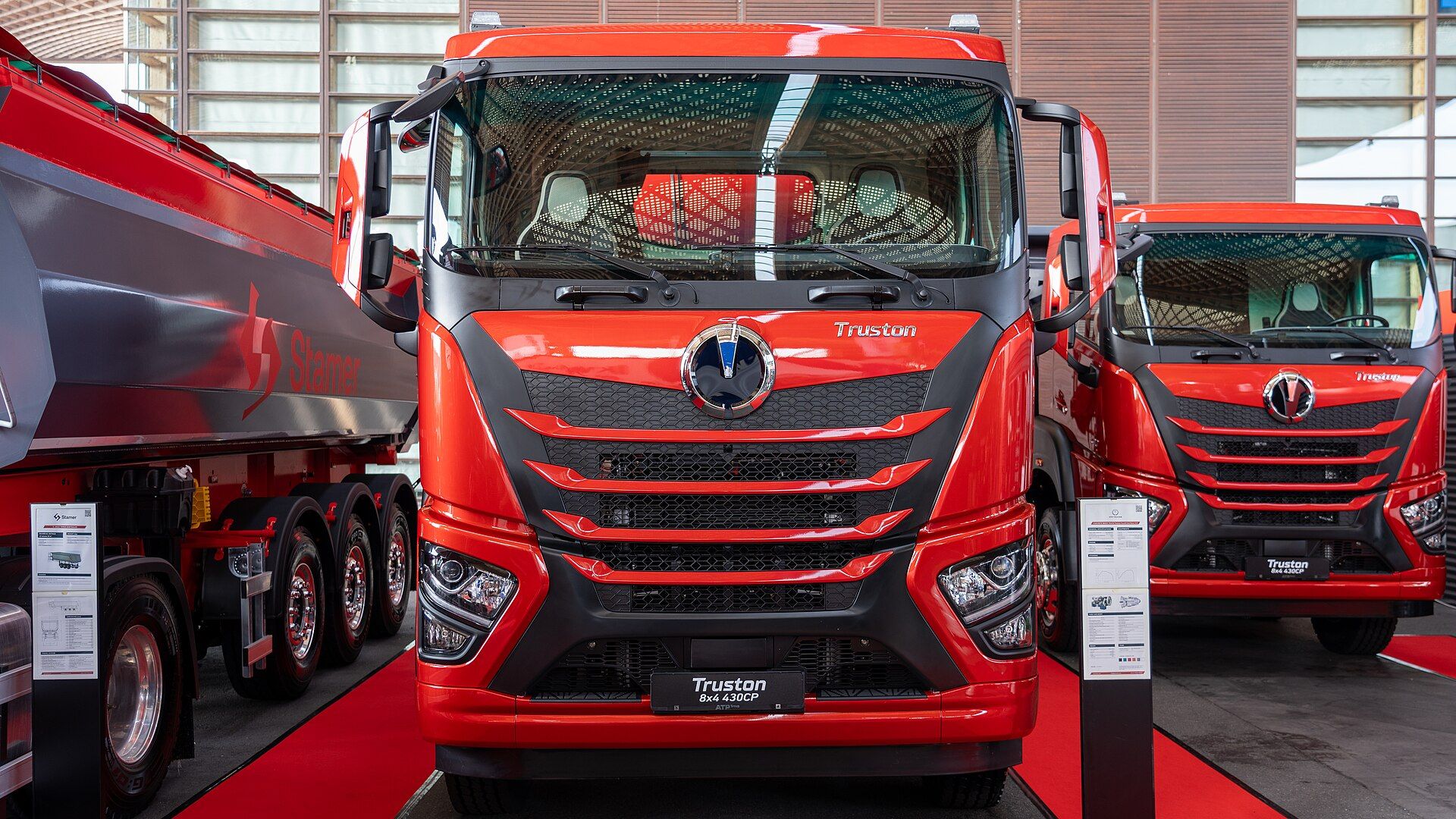
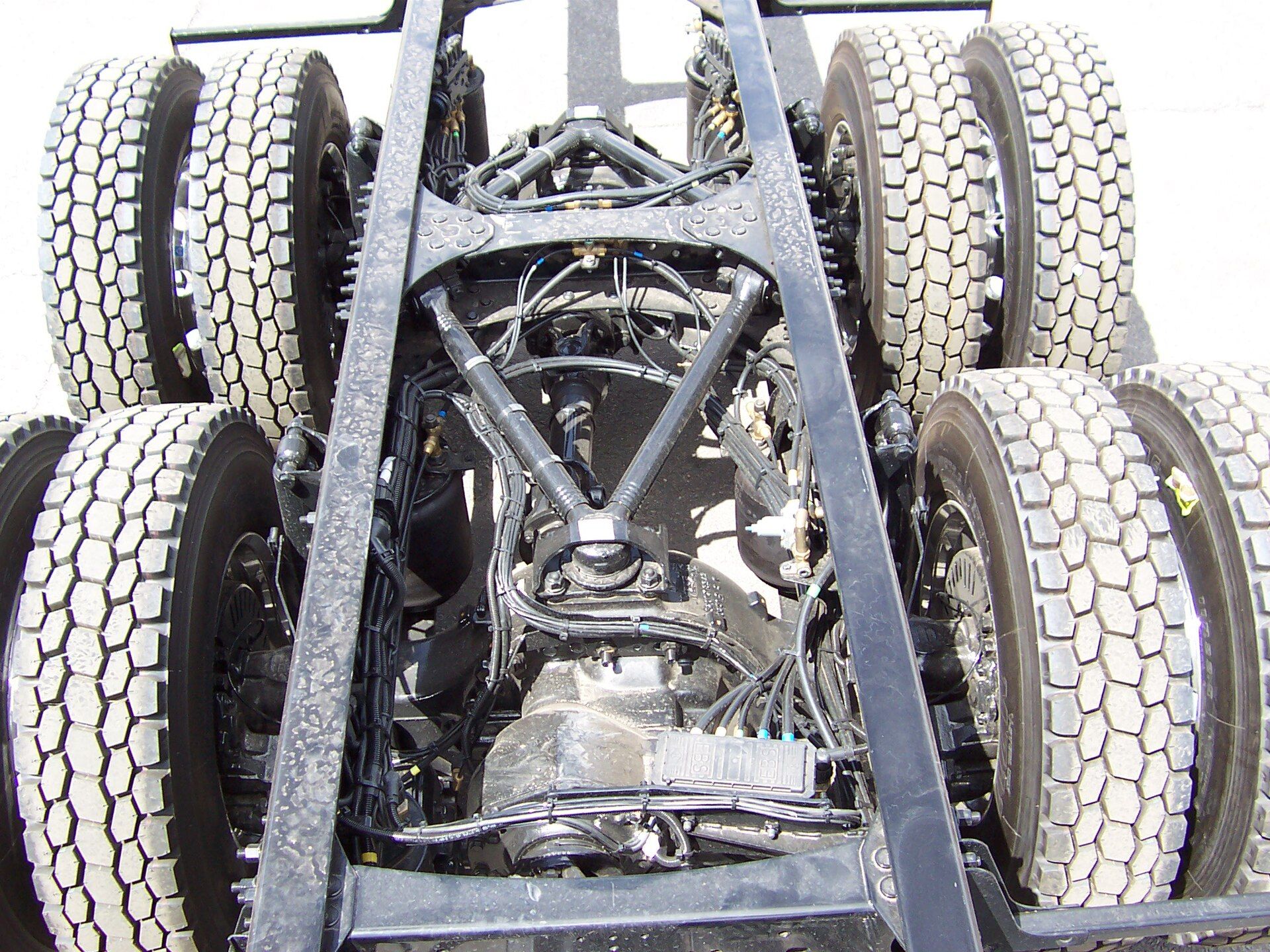
Truck axle configurations: what 4x2, 6x2, 6x4 and 8x4 meanThe first number counts wheel positions and the second the driven ones, so a 6x2 has three axles with one driven, while a 6x4 drives both rear axles.
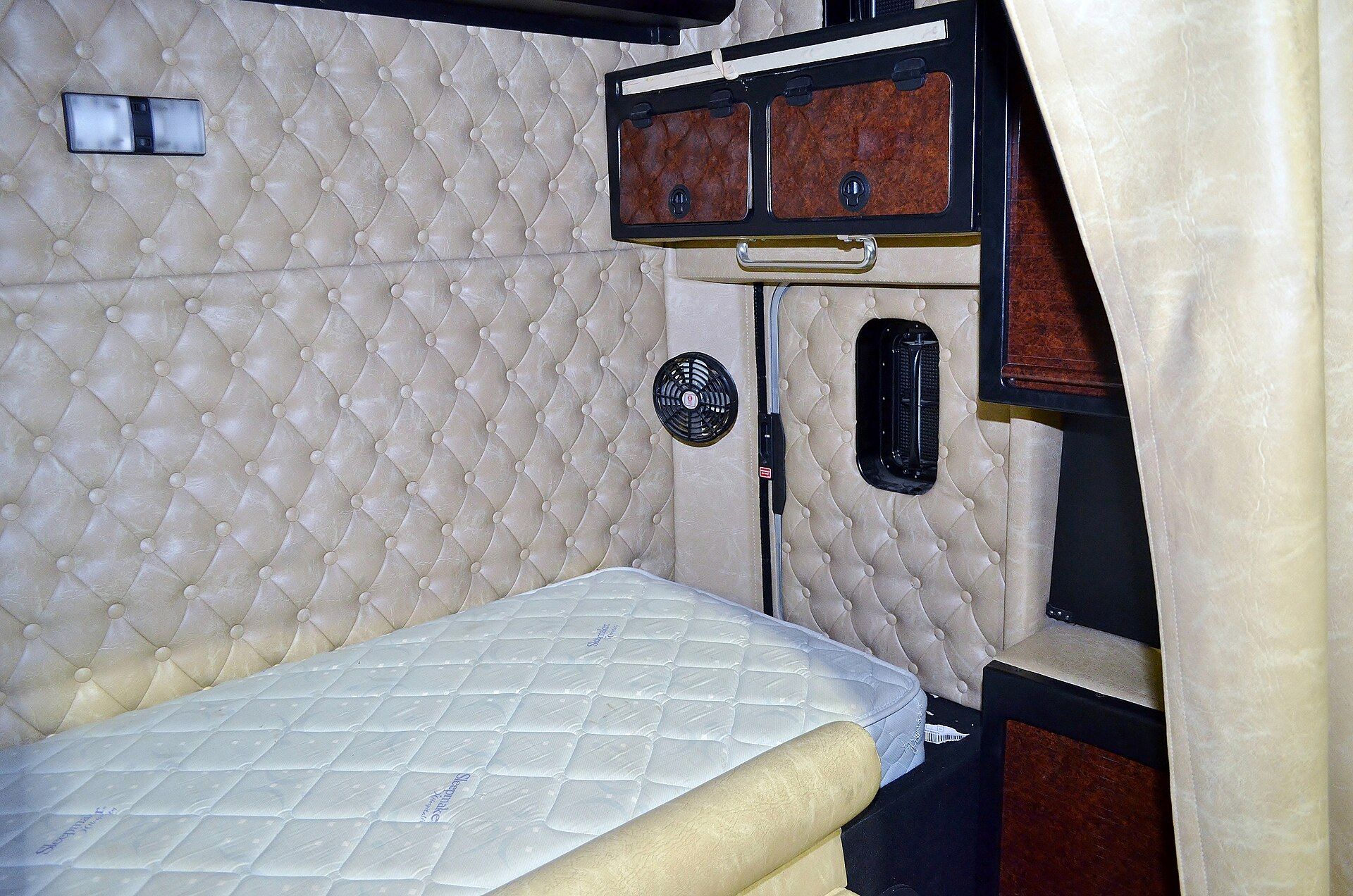
European truck cabs: day cabs, sleeper cabs and flat floorsA day cab has no bunk, a sleeper adds a berth and a long-haul sleeper has two berths and standing height; cab names do not translate between makers.
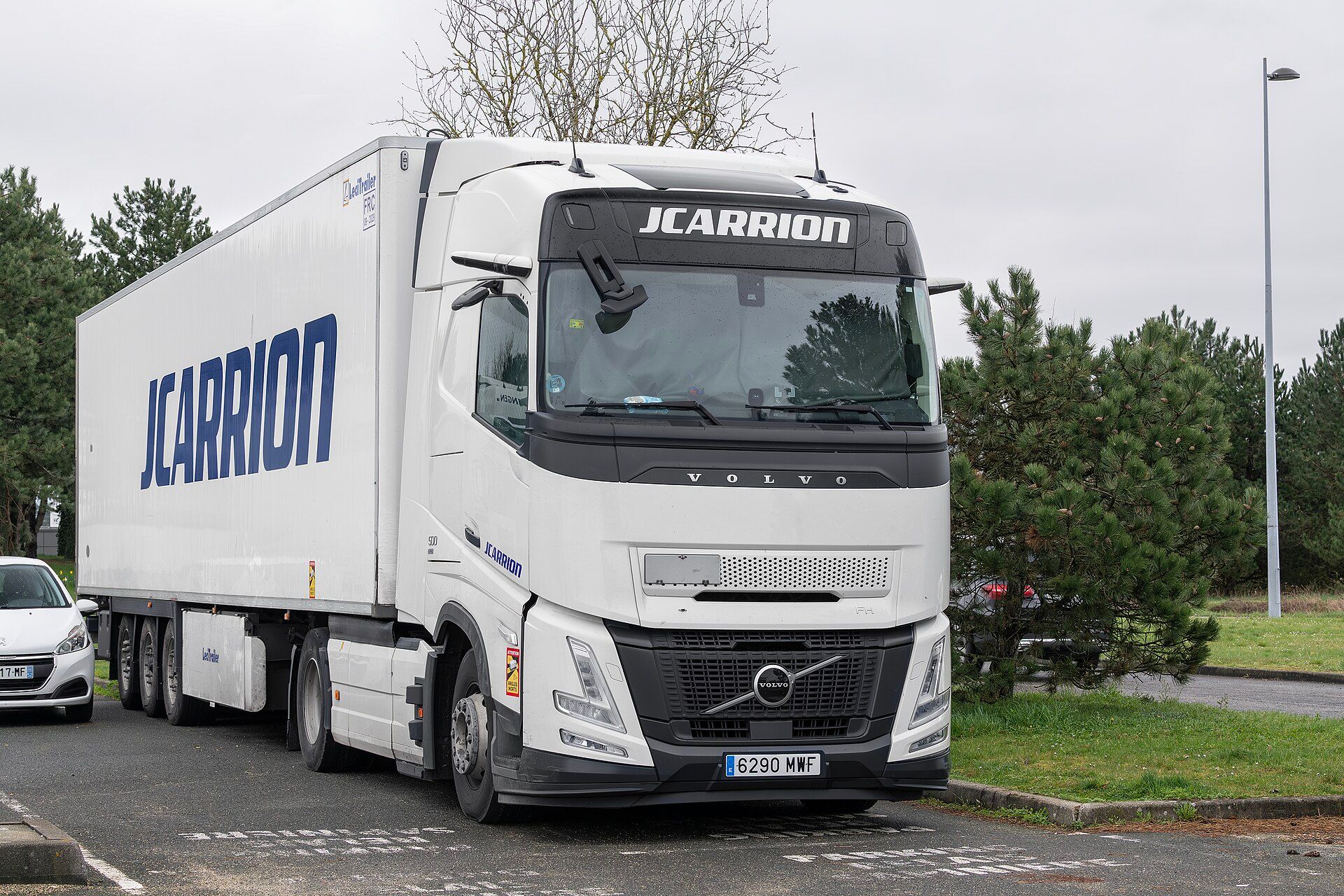
Aerodynamic cabs and the EU length rulesDirective 96/53/EC caps an articulated vehicle at 16.50 m. Articles 8b and 9a let an aerodynamic cab or a rear device exceed it, on the condition that the extra length buys no load.
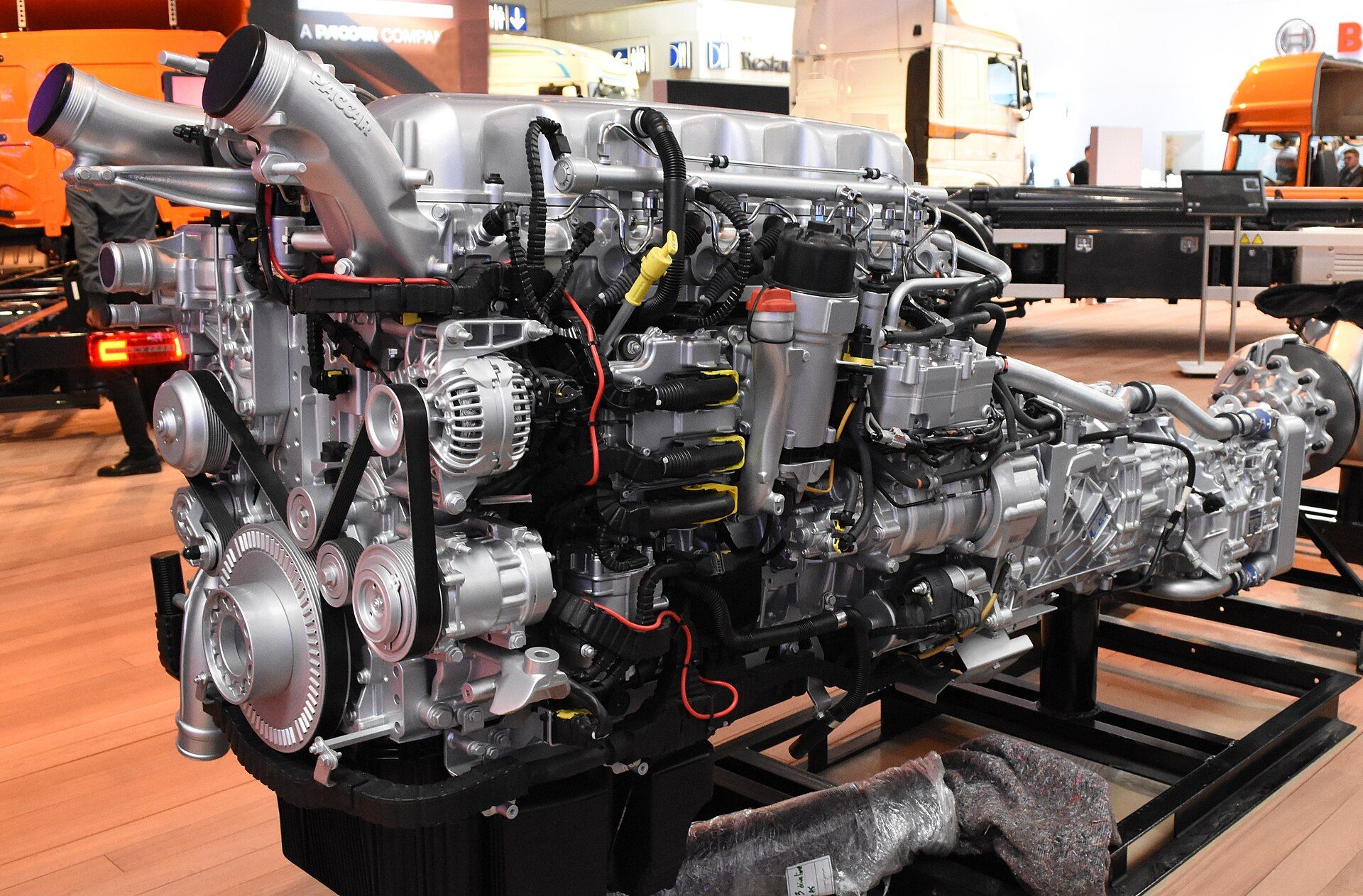
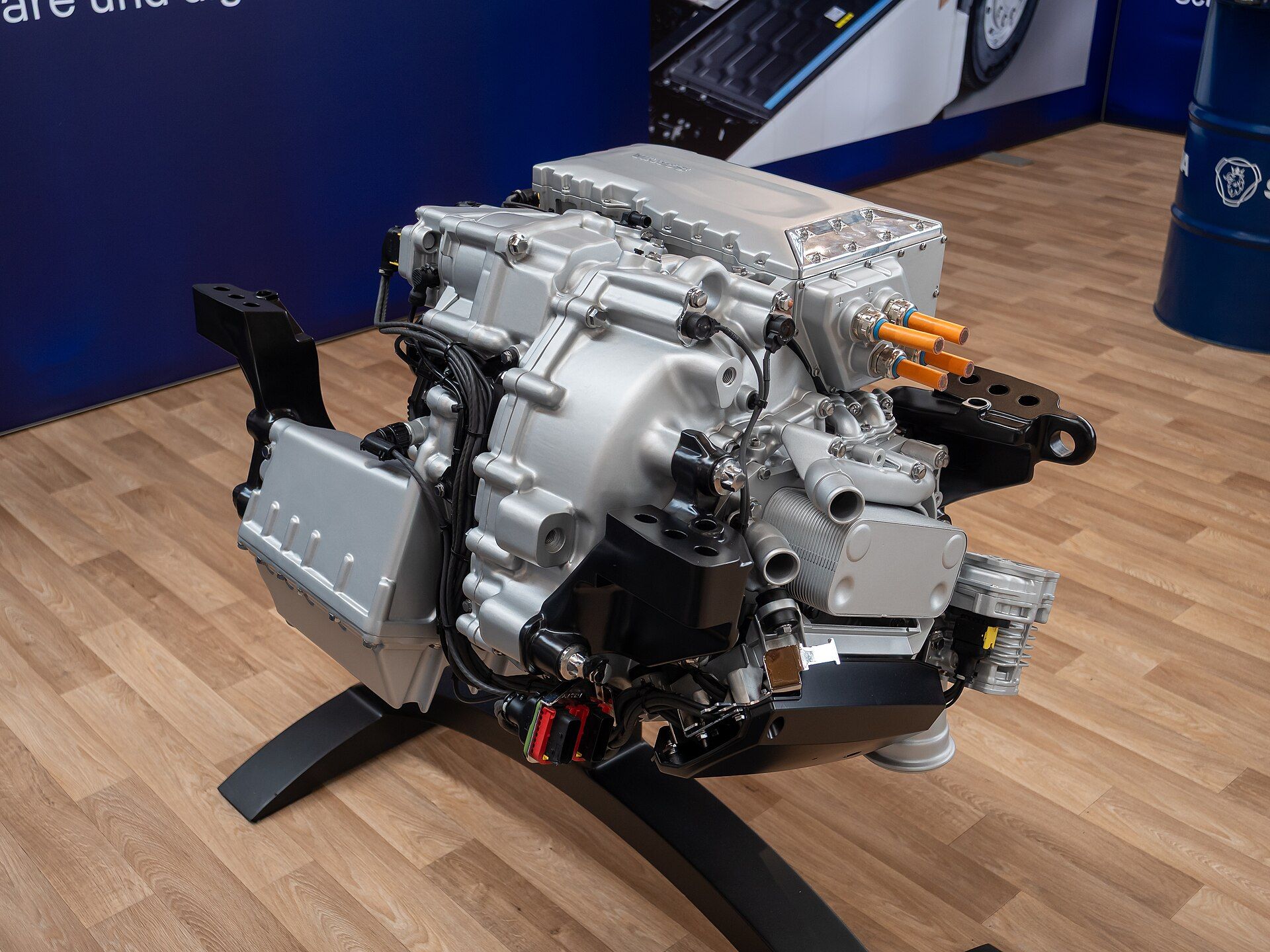
kW, hp and Nm: how to read a truck's power figuresKilowatts and horsepower measure the same thing, power is torque times engine speed, and EU law sets a minimum of 5 kW per tonne for trucks.
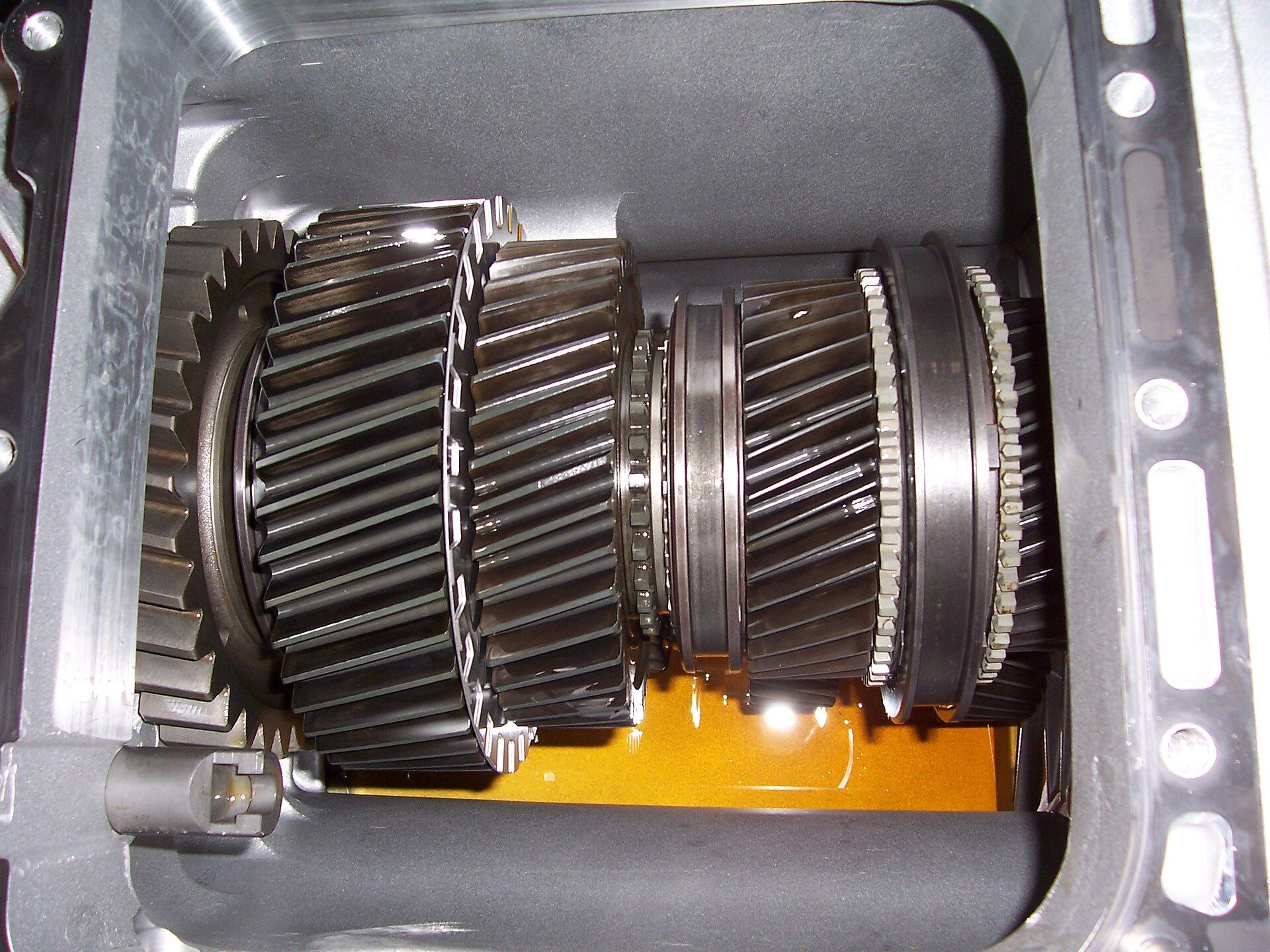
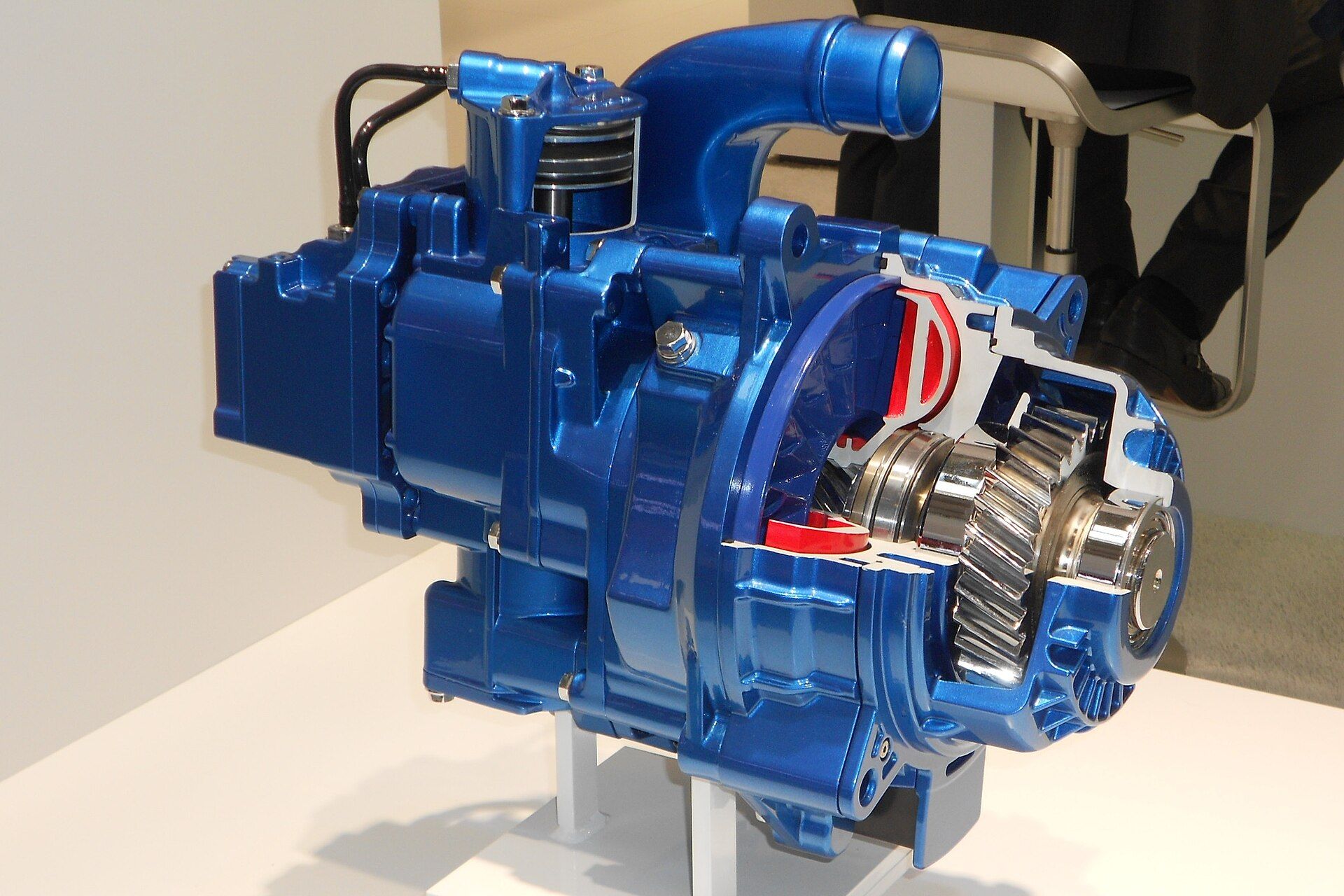
Automated manual transmissions in heavy trucksWhy almost every European heavy tractor now shifts itself, how an automated manual differs from a torque-converter automatic, and why the gearbox is now a CO2-certification component under EU law.
Axle ratios and final drive: single reduction, hub reduction and portalWhat the 2.31 or 5.41 on a rear axle line counts, the five axle types Regulation (EU) 2017/2400 defines, and why the portal axle exists — for ground clearance or a low city bus floor.
Turbocompound engines: how they work and what makers claimA turbocompound engine's second exhaust turbine returns energy to the crankshaft; on the Volvo D13 I-Save and Renault Trucks DE13 TC it shows up as torque.
What is a retarder? Engine brakes and what UN R13 requiresA retarder slows a heavy vehicle on long descents without the friction brakes; UN R13 groups it with exhaust and engine brakes as endurance braking.