What is logistics? The European Commission definition and road freight
The European Commission's 2006 definition of freight transport logistics, third-party logistics, the logistics operator in Spanish and Turkish law, and how road freight is measured.
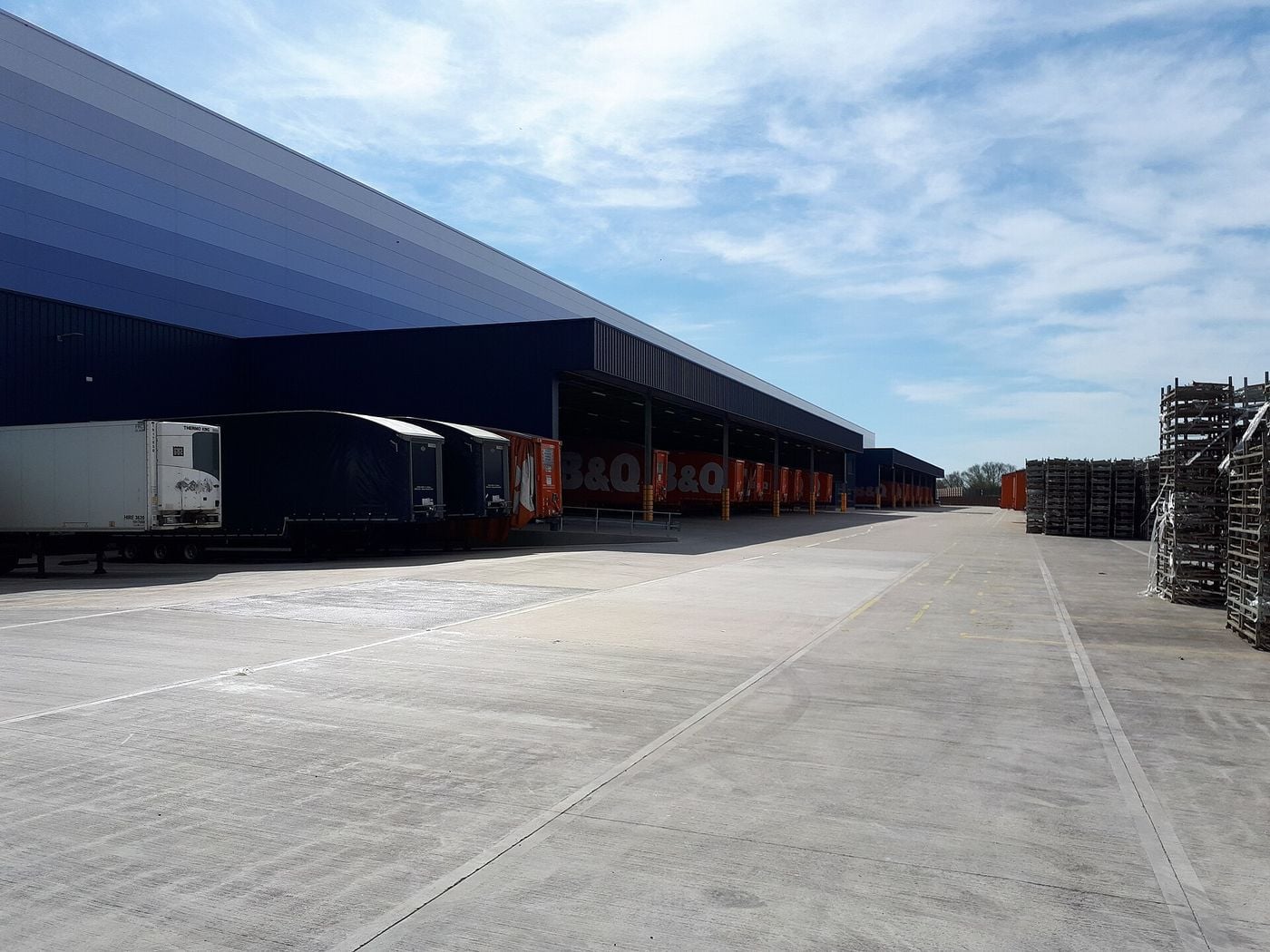
Logistics in freight transport, in the definition the European Commission gave in its Communication COM(2006) 336 of 28 June 2006, “covers the planning, organisation, management, control and execution of freight transport operations in the supply chain”. The term defined is freight transport logistics, in an approach that covers all modes of transport, and the Communication gives its definitions “For the purposes of this Communication”; the Commission restated the definition in its Freight Transport Logistics Action Plan, COM(2007) 607 of 18 October 2007. Both Communications are policy texts of the Commission, not legislation. Spain’s Land Transport Act (LOTT) and Türkiye’s Road Transport Regulation define the logistics business itself: the operador logístico and the lojistik işletmecisi.
Status as of 8 October 2026. Read on that day: the two Commission Communications on EUR-Lex; the consolidated text of Spain’s Ley 16/1987 (LOTT) as last updated in the BOE on 15 April 2026; the consolidated text of Türkiye’s Karayolu Taşıma Yönetmeliği on the Mevzuat Bilgi Sistemi, with amendments up to the Resmî Gazete of 16 May 2026, and its original text of 8 January 2018; Türkiye’s Law No. 4925; Regulation (EC) No 1071/2009; Articles 785 and 801 of the Russian Civil Code and Federal Law No. 87-FZ; the Eurostat, UNECE and ITF Glossary for transport statistics (5th edition, 2019); and FIATA’s page on freight forwarding. Spanish, Turkish and Russian legal texts are given in our translation; quotations from them keep the original words, followed by the translation in brackets.
The European Commission’s definition
Section 2 of COM(2006) 336, headed “Defining the scope”, opens with the sentence “Transport is an integral element of the logistics supply chain.” The Commission’s approach, it says, “focuses on logistics in freight transport and covers all modes of transport”, with areas such as pure modal logistics and multimodal logistics. Four terms are then defined: freight transport logistics, co-modality, multimodality and third-party logistics.
The same section separates the roles of industry and the authorities. Developing freight transport logistics “is primarily a business-related activity and a task for industry”; the authorities have a role in “creating the appropriate framework conditions”, and the approach “leaves the internal running of company logistics to the companies themselves”. The Action Plan of 2007 restates the definition in its introduction, where freight transport logistics “focuses on the planning, organisation, management, control and execution of freight transport operations in the supply chain”, and adds that production and distribution networks depend on logistics chains “to organise the transport of raw materials and finished goods across the EU and beyond”.
Two of the four definitions concern the combination of modes. Multimodality “is the carriage of goods by two or more modes of transport, irrespective of the types of freight, within a single transport chain”. Co-modality “means the efficient use of transport modes operating on their own or in multimodal integration in the European transport system to reach an optimal and sustainable utilisation of resources”. Loading units built for transfer between road and rail are described in swap bodies explained.
The Commission also gave figures. In 2006 it wrote that “On average, logistics costs account for 10-15% of the final cost of the finished product”, including “costs such as transportation and warehousing”. In 2007 it wrote that “Estimates put the share of the logistics industry in Europe at close to 14% of GDP”. Both figures date from 2006 and 2007, and both documents add a caveat on the statistics: the 2006 Communication says it is difficult to have a reliable picture of Europe’s logistics market because “relevant statistical information is currently not sufficient”, and the 2007 Action Plan that the statistical information available does “not produce a reliable picture of Europe’s logistics market”.
How official and international texts define logistics and the logistics operator
The EU texts and FIATA define an activity or a set of services; the Spanish and Turkish texts define the undertaking that provides them.
| Text | Term defined | What the text covers |
|---|---|---|
| European Commission, COM(2006) 336, 28 June 2006, section 2 | Freight transport logistics | “the planning, organisation, management, control and execution of freight transport operations in the supply chain”; the Commission’s approach covers all modes of transport |
| European Commission, COM(2007) 607, 18 October 2007, introduction | Freight transport logistics | The same five activities, introduced with “focuses on” |
| European Commission, COM(2006) 336, section 2 | Third-party logistics | An organisation “uses external logistics providers that supply all or a considerable number of its logistical activities” |
| Spain, Ley 16/1987 (LOTT), Article 122, in the wording of Ley 9/2013 | Operadores logísticos (logistics operators) | Undertakings specialised in organising, managing and controlling, for the account of others, the supply, transport, storage or distribution of goods that their customers need in their business; they may use their own or others’ infrastructure, technology and means |
| Türkiye, Karayolu Taşıma Yönetmeliği, Article 4(1)(ğğ), wording of 15 May 2025 | Lojistik işletmecisi (logistics operator) | Natural and legal persons who, besides the actual carriage, take delivery of their customers’ goods and undertake under their own supervision and control all or part of loading, unloading, storage, stacking, packing, sorting, labelling, order planning, distribution, delivery and similar services |
| FIATA, definition adopted and published in 2004 | Freight forwarding and logistic services | Services of any kind relating to the carriage of goods (by single mode or multimodal transport) and their consolidation, storage, handling, packing or distribution, with ancillary and advisory services such as customs and fiscal matters, insurance of the goods and collecting payment or documents |
| Eurostat, UNECE and ITF, Glossary for transport statistics, 5th edition, 2019 | No logistics term | No entry for logistics; road freight is measured in tonne-kilometres and divided into transport for hire or reward and transport on own account |
The EU wording names five functions, all applied to freight transport operations. The Spanish definition names three of the same functions as verbs, “organizar, gestionar y controlar” (organise, manage and control), and applies them to four operations: “aprovisionamiento, transporte, almacenaje o distribución” (supply, transport, storage or distribution). The Turkish definition lists services that the operator undertakes, in whole or in part, “kendi gözetim ve denetimi altında” (under its own supervision and control) once it has taken delivery of the goods: “yükleme, boşaltma, depolama, istifleme, paketleme, tasnif, etiketleme, sipariş planlaması, dağıtım, teslimat” (loading, unloading, storage, stacking, packing, sorting, labelling, order planning, distribution, delivery). FIATA’s definition adds ancillary and advisory services, such as customs and fiscal matters, declaring the goods for official purposes and insurance, and includes logistic services with information and communication technology and “de facto total supply chain management”.
The Turkish wording quoted here was introduced by the amending regulation published in the Resmî Gazete of 15 May 2025 (No. 32901). The original text of 8 January 2018 (Resmî Gazete No. 30295) began “Taşımacılık faaliyetinin yanı sıra, bağımsız bir işyerinin kullanım hakkına sahip olarak” (in addition to the carriage activity, having the right to use an independent workplace); the current text begins “Fiili taşımacılık faaliyetinin yanı sıra” (in addition to the actual carriage activity) and no longer mentions the workplace.
Transport, storage and distribution in the legal texts
Storage and distribution. The Turkish Regulation defines two words for places where goods are kept: a depo is a place suitable for keeping goods in open and closed areas, an ambar one suitable for keeping them in a closed area (Article 4(1)(j) and (c)). Spain’s LOTT defines a separate business that combines storage with distribution, the almacenista-distribuidor (Article 123): undertakings that act “como depositarias de mercancías ajenas” (as depositaries of other people’s goods) and also distribute them or manage their distribution on the depositor’s instructions. They may also consolidate or break loads and manage stock. Distribution appears by name in both logistics operator definitions: the Turkish one lists “dağıtım” and “teslimat” (distribution and delivery) as separate services, the Spanish one names “distribución”.
Paperwork and customs. Article 801(1) of the Russian Civil Code allows a freight forwarding contract to include, as additional services, obtaining the documents required for export or import, completing customs and other formalities, checking the quantity and condition of the goods, loading and unloading them, paying duties, fees and other costs borne by the client, storing the goods and receiving them at the destination. FIATA’s definition likewise includes customs and fiscal matters. The customs procedure under which goods move under customs control with duties suspended is described in the T1 transit document and NCTS.
Third-party logistics (3PL)
COM(2006) 336 defines the term from the side of the organisation that uses the providers: “‘Third-party logistics’ means that an organisation uses external logistics providers that supply all or a considerable number of its logistical activities.” The national definitions describe the provider’s side. The Spanish logistics operator works “por cuenta ajena” (for the account of others) on the operations “que precisan sus clientes” (that its customers need), and “podrá utilizar infraestructuras, tecnología y medios propios o ajenos” (may use its own or others’ infrastructure, technology and means). The Turkish one handles “müşterilerine ait her türlü eşyayı” (goods of any kind belonging to its customers).
Carrier, forwarder and logistics operator
The texts below define the roles that sit next to the logistics operator in each legal system: the undertaking that carries goods, and the one that has them carried.
| Text | Role | What the text says |
|---|---|---|
| EU, Regulation (EC) No 1071/2009, Article 2(1) | Occupation of road haulage operator | The activity of any undertaking transporting goods for hire or reward by means of motor vehicles or combinations of vehicles |
| Türkiye, Law No. 4925, Article 3 | Taşımacı (carrier) | Holds a carrier authorisation certificate and undertakes carriage in its own name and for its own account, for a fee |
| Türkiye, Law No. 4925, Article 3 | Taşıma işleri komisyoncusu (forwarding agent) | Makes it its profession to have goods carried, for a fee, in its own name and for the account of a principal |
| Spain, LOTT, Article 120 | Agencias de transporte (transport agencies) | Undertakings specialised in acting as intermediaries in contracting the carriage of goods, placed between the users and the carriers |
| Spain, LOTT, Article 121 | Transitarios (freight forwarders) | Undertakings specialised in organising, for the account of others, international carriage of goods, receiving goods as consignees or handing them to those who will carry them, and, where applicable, handling the administrative, fiscal, customs and logistics formalities of that carriage or acting as intermediaries in contracting it |
| Russia, Civil Code, Article 785(1) | Перевозчик (carrier) | Undertakes to deliver the goods entrusted to it by the consignor to the destination and to release them to the person entitled to receive them |
| Russia, Civil Code, Article 801(1) | Экспедитор (forwarder) | Undertakes, for remuneration and at the client’s expense, to perform or to organise the services related to the carriage of goods that the contract specifies |
Article 801(2) of the Russian Civil Code applies the forwarding rules also where, under the contract, the forwarder’s duties are performed by the carrier, and Federal Law No. 87-FZ of 30 June 2003 describes forwarding services as services for organising the carriage of goods by any mode of transport and for preparing transport documents, documents for customs purposes and the other documents the carriage needs (Article 1(1)). FIATA’s 2004 text defines freight forwarding and logistic services together, in a single definition.
Spain lists logistics operators, with transport agencies, freight forwarders and storage-distributors, among the “actividades auxiliares y complementarias del transporte” (auxiliary and complementary activities of transport) governed by the LOTT (Article 1.1, point 3.º). Anyone who intends to act as an intermediary in contracting road freight, “ya sea en concepto de agencia de transporte, transitario, almacenista-distribuidor, operador logístico o cualquier otro” (whether as a transport agency, freight forwarder, storage-distributor, logistics operator or anything else), needs an “autorización de operador de transporte” (operator-of-transport authorisation, Article 119(1)). The same paragraph exempts some holders of public goods transport authorisations and carriers’ cooperatives and marketing companies, within the limits it sets. Holders of the authorisation must contract in their own name with both the customer and the carrier (Article 119(3)). Articles 119 to 123 have their present wording from Ley 9/2013 of 4 July, in force since 25 July 2013.
In Türkiye, Article 5(1) of the Regulation requires anyone carrying on “lojistik işletmeciliği” (logistics business) within its scope to obtain the matching yetki belgesi (authorisation certificate) from the Ministry, as it does for carriage, agency, forwarding and the other activities it lists. Article 6(9) provides for the L-type authorisation certificate for those who carry on logistics business commercially: L1 for domestic work, L2 for domestic and/or international work. In the EU, the authorisation of a road haulage operator under Regulation (EC) No 1071/2009 is described in road transport operator licence. The document that confirms an international road haulage contract is described in the CMR consignment note.
Measuring road freight
The Glossary for transport statistics, published by Eurostat, the UN Economic Commission for Europe and the International Transport Forum, defines the tonne-kilometre by road as a “unit of measurement of goods transport which represents the transport of one tonne by road over one kilometre”, adding that “The distance to be taken into consideration is the distance actually run”. The glossary has no entry for logistics, and the word does not occur in it.
The glossary divides road freight by who it is carried for. Transport for hire or reward is “Carriage for remuneration of persons or goods on behalf of third parties”. Transport on own account is “Transport which is not for hire or reward”, which the glossary describes as “the movement by an enterprise of its own staff or freight without any associated financial transaction”. It also defines road cabotage transport, road transport within a country other than the registration country by a road motor vehicle registered in the reporting country; the EU rules for it are covered in cabotage and posted drivers. Greenhouse gas figures per tonne-kilometre for a road freight service are the subject of the carbon footprint of road freight.
Quick answers
- What is logistics?
- In the European Commission's Communication COM(2006) 336 of 28 June 2006, freight transport logistics 'covers the planning, organisation, management, control and execution of freight transport operations in the supply chain'. The Commission's approach covers all modes of transport, and its Freight Transport Logistics Action Plan, COM(2007) 607 of 18 October 2007, repeats the same five activities. COM(2006) 336 gives its definitions for the purposes of that Communication, and both Communications are policy texts of the Commission, not legislation.
- What is the difference between logistics and transport?
- COM(2006) 336 states that 'Transport is an integral element of the logistics supply chain', and defines freight transport logistics as the planning, organisation, management, control and execution of freight transport operations. The national definitions of the logistics operator go beyond carriage: Spain's LOTT (Article 122) names supply, transport, storage and distribution, and Türkiye's Road Transport Regulation (Article 4(1)(ğğ)) lists loading, unloading, storage, stacking, packing, sorting, labelling, order planning, distribution and delivery in addition to the actual carriage.
- What is third-party logistics (3PL)?
- COM(2006) 336 defines it this way: 'Third-party logistics' means that an organisation uses external logistics providers that supply all or a considerable number of its logistical activities. Spain's LOTT (Article 122) describes the provider's side: the logistics operator works for the account of others on the operations its customers need, and may use its own or others' infrastructure, technology and means.
- What does a logistics operator do?
- In Spain's LOTT (Article 122) logistics operators are undertakings specialised in organising, managing and controlling, for the account of others, the supply, transport, storage or distribution of goods that their customers need. In Türkiye's Road Transport Regulation (Article 4(1)(ğğ), wording of 15 May 2025) a lojistik işletmecisi takes delivery of customers' goods and, besides the actual carriage, undertakes all or part of loading, unloading, storage, stacking, packing, sorting, labelling, order planning, distribution, delivery and similar services under its own supervision and control. In Spain, acting as an intermediary in contracting road freight, as a logistics operator or in any other capacity, requires an operator-of-transport authorisation, with exceptions for some holders of public goods transport authorisations and for carriers' cooperatives (Article 119); in Türkiye, logistics business carried on commercially needs an L1 authorisation certificate for domestic work or an L2 for domestic and/or international work (Article 6(9)).
- How is road freight measured?
- The Glossary for transport statistics (Eurostat, UNECE and ITF, 5th edition 2019) gives the tonne-kilometre by road as the unit: the transport of one tonne by road over one kilometre, counting the distance actually run. It splits road freight into transport for hire or reward (carriage for remuneration on behalf of third parties) and transport on own account, which is not for hire or reward. The glossary has no entry for logistics.
Sources
- Communication from the Commission COM(2006) 336 final, Freight Transport Logistics in Europe – the key to sustainable mobility, Brussels, 28 June 2006 — sections 2 and 3 — EUR-Lex, European Union, 28 Jun 2006
- Communication from the Commission COM(2007) 607 final, Freight Transport Logistics Action Plan, Brussels, 18 October 2007 — introduction and the section on statistical data — EUR-Lex, European Union, 18 Oct 2007
- Ley 16/1987, de 30 de julio, de Ordenación de los Transportes Terrestres (LOTT) — consolidated text, last update published on 15 April 2026, Articles 1 and 119 to 123 — Agencia Estatal Boletín Oficial del Estado, Spain
- Karayolu Taşıma Yönetmeliği (Road Transport Regulation, Resmî Gazete of 8 January 2018, No. 30295) — consolidated text with amendments up to the Resmî Gazete of 16 May 2026, No. 33255, Articles 4, 5 and 6 — Mevzuat Bilgi Sistemi, Presidency of the Republic of Türkiye
- Karayolu Taşıma Yönetmeliği — original text as published in the Resmî Gazete of 8 January 2018, No. 30295, Article 4 — Resmî Gazete, Republic of Türkiye, 8 Jan 2018
- Law No. 4925 on Road Transport (Karayolu Taşıma Kanunu) — current text, Article 3 — Mevzuat Bilgi Sistemi, Presidency of the Republic of Türkiye
- Regulation (EC) No 1071/2009 on the occupation of road transport operator — consolidated text of 21 February 2022, Article 2 — EUR-Lex, European Union
- Civil Code of the Russian Federation, Part Two — Articles 785 (contract of carriage of goods) and 801 (freight forwarding contract), consolidated text — Official legal information portal pravo.gov.ru, Russian Federation
- Federal Law No. 87-FZ of 30 June 2003 on freight forwarding activity — Article 1, edition as amended by Federal Law No. 271-FZ of 26 July 2026 — Official legal information portal pravo.gov.ru, Russian Federation
- Glossary for transport statistics, 5th edition (2019) — road transport chapter — Eurostat, United Nations Economic Commission for Europe and International Transport Forum
- About freight forwarding — the definition of freight forwarding and logistic services adopted and published in 2004 — FIATA, International Federation of Freight Forwarders Associations