Operators, borders and papers
What an operator needs to carry goods for hire, the rules for work in another country, the documents that travel with the load, and what the roads charge.
What is logistics? The European Commission definition and road freightThe European Commission's 2006 definition of freight transport logistics, third-party logistics, the logistics operator in Spanish and Turkish law, and how road freight is measured.
Combined, intermodal and multimodal transport: the definitions and the road legMultimodal, intermodal and combined transport in the words of the UN, EU and statistical texts that define them, the road leg under Directive 92/106/EEC and the state of its revision.
EES and ETIAS: what changes for truck drivers, coach drivers and coach operatorsThe EES has registered non-EU drivers at Schengen external borders since 12 October 2025; ETIAS has no start date yet. What each requires of truck and coach drivers and coach operators.
The T1 transit document and NCTS explainedHow T1 transit moves goods under customs control with duties suspended: T1 and T2, the 1987 Convention and its parties, the guarantee, NCTS phase 5 and the MRN.
Road transport operator licence: the four EU conditionsRegulation (EC) No 1071/2009 sets four cumulative conditions for a road transport operator — establishment, good repute, financial standing, competence — and prices each vehicle in capital.
Cabotage and posted drivers: two rule books on one journeyRegulation 1072/2009 decides how much domestic work a haulier from another Member State may take. Directive 2020/1057 decides when its driver counts as posted. They are not the same rule.
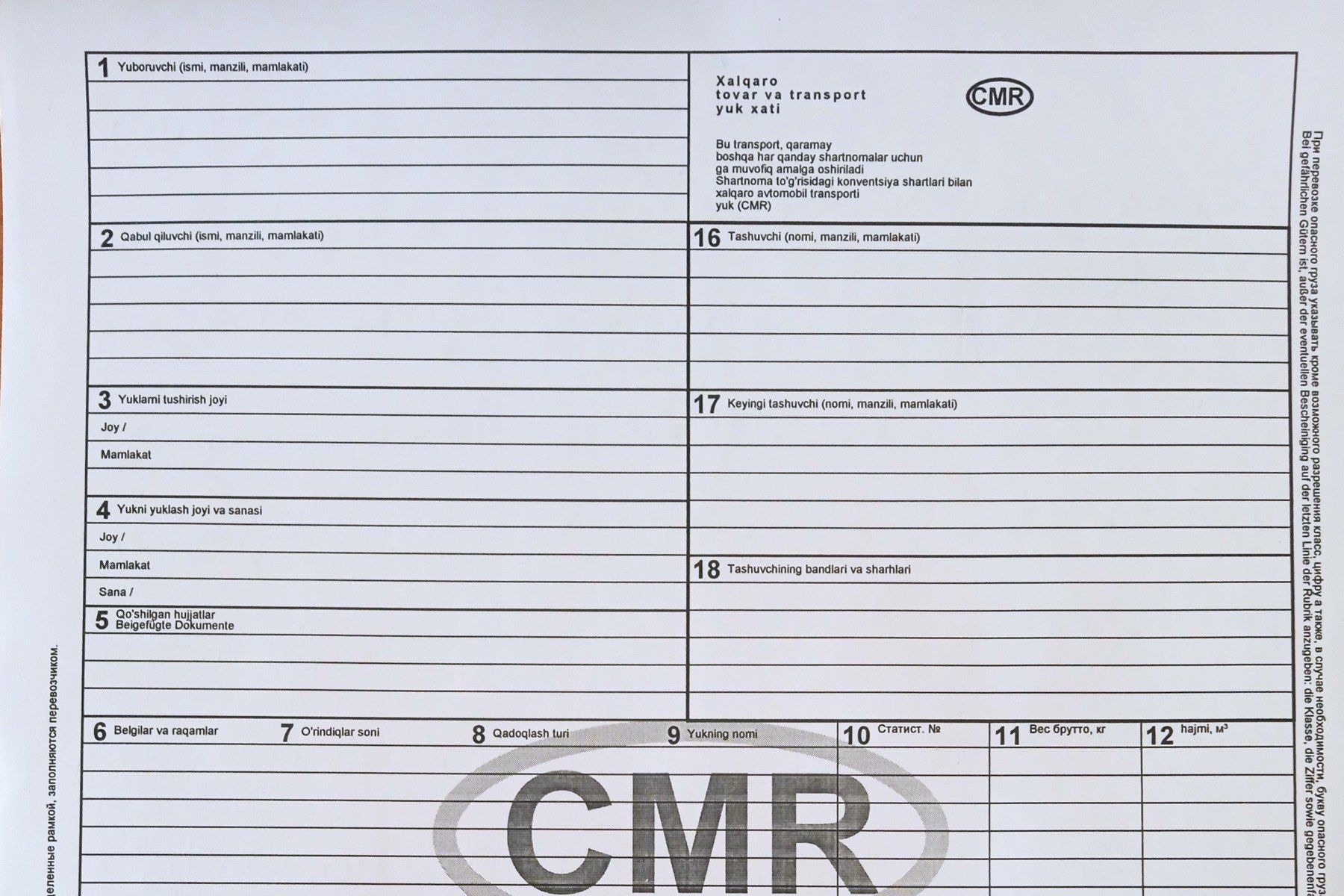
The CMR consignment note and e-CMR explainedThe 1956 CMR Convention confirms an international road haulage contract by a consignment note in three original copies. Contents, evidential value, liability limit and the 2008 e-CMR Protocol.
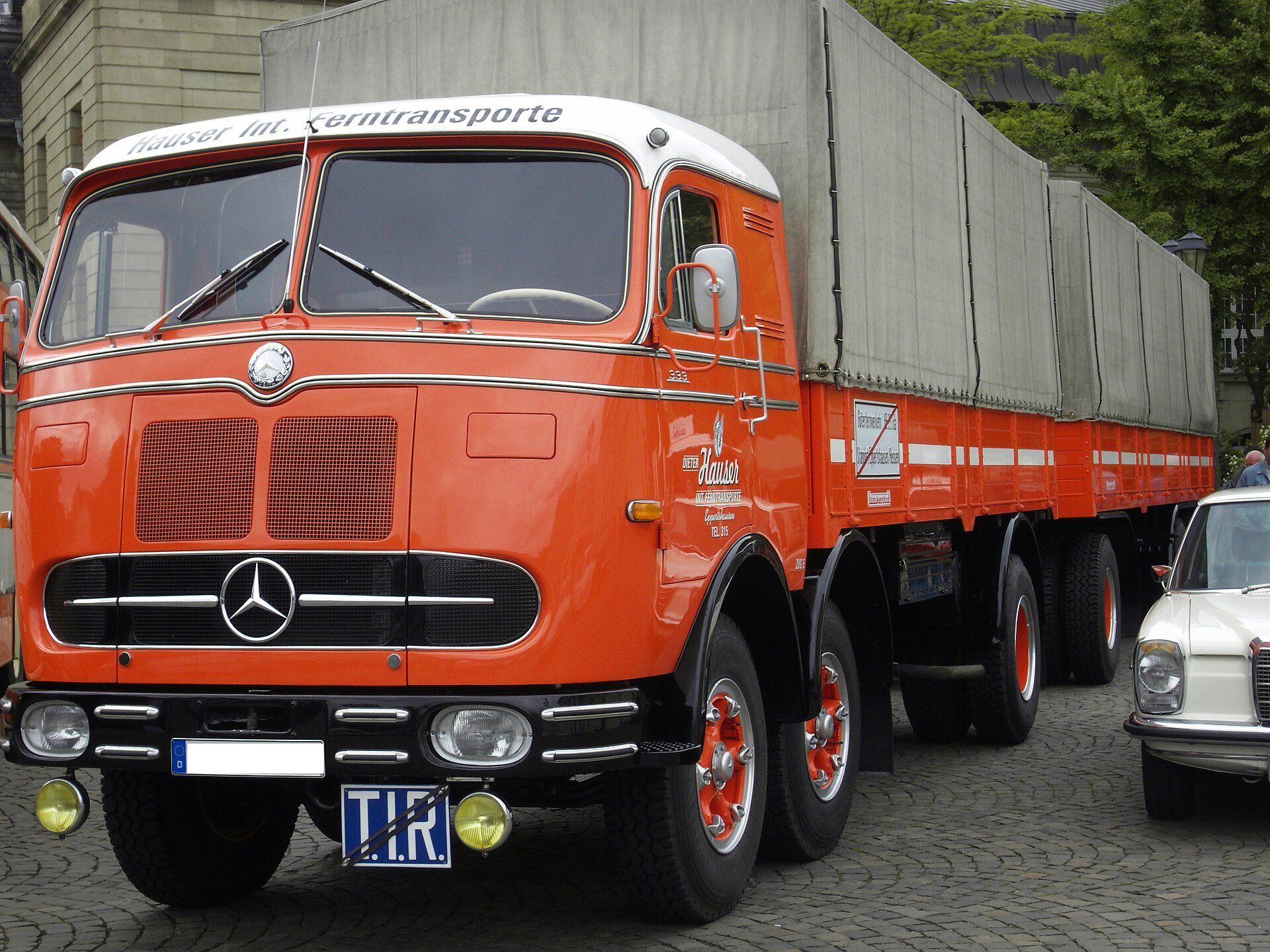
The TIR carnet explainedWhat the TIR Convention of 1975 and the TIR carnet are: the procedure, the carnet, approved vehicles, the guarantee chain, who may use it, and eTIR.
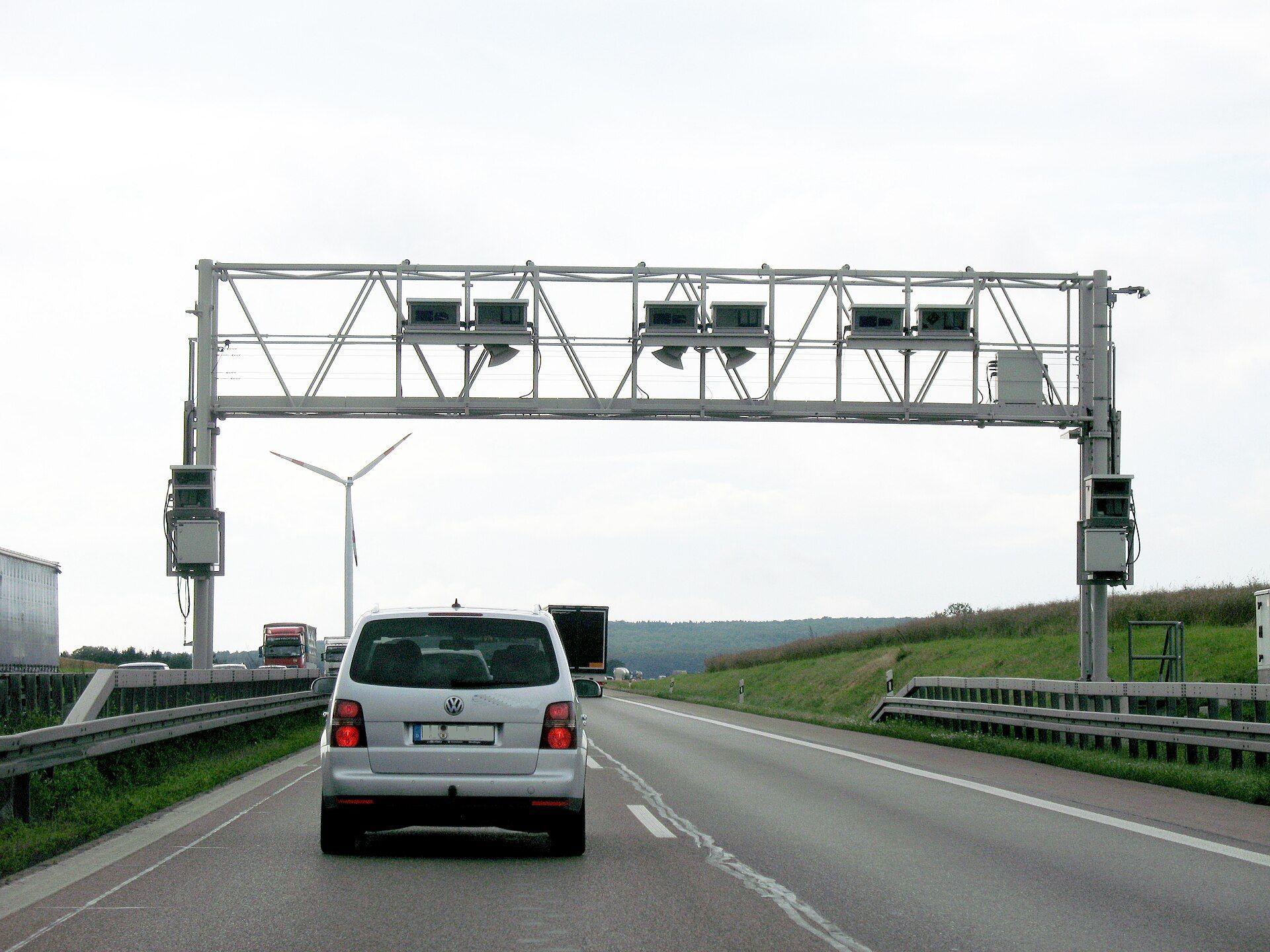
EU road tolls and CO2 emission classes: what the class changesWhy two mechanically identical trucks pay different tolls: the five CO2 emission classes in the Eurovignette Directive, the discount bands attached to them, and what the German tariff actually shows.
Truck tolls in Europe and the Eurovignette: who pays whereWhere heavy trucks still buy a Eurovignette and where they pay by the kilometre: who pays, on which roads and how, in twelve countries, and the EU dates ahead.
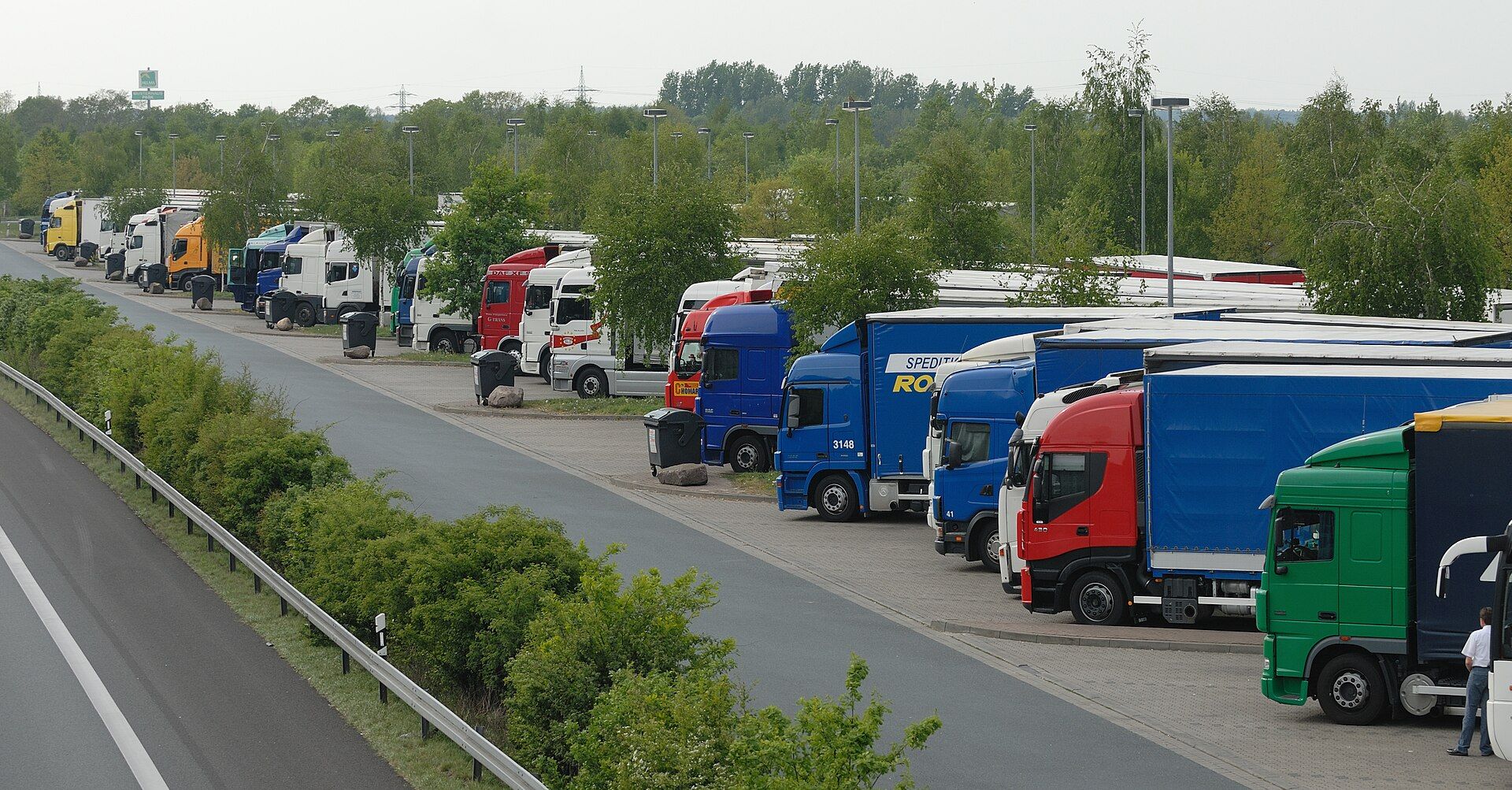
Truck driving bans in Europe: weekends, holidays, summer Saturdays and nightsWeekend, holiday, summer and night bans for heavy trucks in 15 European countries: which vehicles, which roads and hours, the extra days of 2026 and what is known about 2027.
ETS2 and road transport: the 2028 startWhat the EU's separate emissions trading system, ETS2, covers on the road, who must surrender allowances, and what the texts say about the start moving to 2028.
Goods vehicle operator licences in Great Britain: types, money and the transport managerWho needs a GB goods vehicle operator licence, what restricted, standard national and standard international allow, the financial standing in pounds and the transport manager rules.
What is an HGV? HGV, LGV and the 3.5 and 7.5 tonne lines in British lawHGV stands for heavy goods vehicle; LGV is large goods vehicle for DVSA, light goods vehicle in DfT vehicle licensing statistics. Where British Acts and GOV.UK set 3.5 t, 7.5 t and 12,000 kg lines.
The HGV levy in the UK: who pays, the 2026 rates and how foreign lorries payWhich lorries pay the UK HGV Road User Levy (12,000 kg or more), the three weight bands, the rates in force from 1 April 2026, how UK and foreign vehicles pay, exemptions and the fine.
The carbon footprint of road freight: ISO 14083 and Regulation (EU) 2026/1030How EU law now defines the greenhouse gas figure of a transport service: EN ISO 14083:2023 as the method, primary and secondary data, CO2e per tonne-kilometre, and the 2030 start.